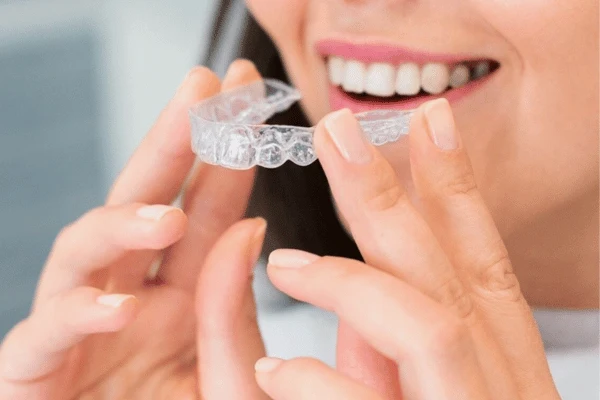

Crooked teeth can crush your confidence and strain your mouth. Braces help, but metal brackets can feel rough, look obvious, and disrupt your daily life. Today, clear aligners offer a different path. You wear thin, almost invisible trays that slowly move your teeth into better positions. You remove them to eat, brush, and floss. This can protect your gums and cut the risk of tooth decay. Many people now ask their dentist in Dearborn Heights if clear aligners are right for them. You may wonder if they work as well as braces, how long treatment takes, and what daily life feels like with them. This guide explains how clear aligners work, who they help, and what you should expect at each step. You gain clear facts so you can choose treatment that fits your health, your budget, and your sense of self.
How Clear Aligners Move Your Teeth
Clear aligners use gentle pressure to guide your teeth into new positions. Each tray is shaped a bit closer to the final result. You wear one set for about one to two weeks. Then you change to the next set. Your teeth follow the path that the trays set.
Your dentist or orthodontist starts with three steps.
- They scan or take molds of your teeth.
- They review X rays and photos to check bone support and tooth roots.
- They design a step by step plan that shows how your teeth will move.
You then receive a series of trays. You wear them 20 to 22 hours each day. You take them out only to eat, drink anything except water, and clean your teeth. Consistent use matters. Missed time slows or blocks movement.
The science behind this is simple. Pressure tells the bone around each tooth to reshape. Bone breaks down a bit on one side and builds on the other side. Over time, the tooth settles in a more stable and healthy position.
Benefits For Your Mouth And Your Daily Life
Clear aligners do more than change how your smile looks. They also support your general oral health.
- Easier brushing and flossing. You take the trays out. You clean every tooth and the gumline. Food and plaque stay lower.
- Lower risk of cavities and gum disease. Straighter teeth are easier to clean. Crowded spots that trap food shrink or disappear. The National Institute of Dental and Craniofacial Research explains that plaque buildup and deep pockets raise your risk of gum disease. Better alignment reduces those pockets.
- Fewer mouth sores. There are no metal wires or sharp edges to rub against your cheeks.
Clear aligners also support social comfort.
- Your trays are hard to see in photos or across a room.
- You speak more clearly after a short adjustment period.
- You eat your usual foods. You remove the trays first.
For many teens and adults, this sense of control over daily life feels important. You can straighten your teeth while you study, work, or care for your family without big changes to your routine.
Clear Aligners Compared To Traditional Braces
Both clear aligners and braces move teeth. Yet they feel and look different. The table below gives a simple comparison.
| Topic | Clear Aligners | Traditional Braces |
| Appearance | Clear trays that are hard to see | Metal or ceramic brackets and wires that are easy to see |
| Comfort | Smooth plastic with fewer cheek and lip sores | Brackets and wires that can rub and poke |
| Eating | Remove trays before meals. No food limits if you brush and floss before putting trays back in. | Fixed in place. Hard, sticky, and chewy foods can break or bend hardware. |
| Cleaning | Brush and floss as usual. Clean trays with simple rinsing and brushing. | Need extra tools like floss threaders or small brushes to clean around brackets. |
| Treatment range | Works well for mild to moderate crowding, spacing, and simple bite issues. | Works for mild, moderate, and many complex bite and jaw issues. |
| Visits | Short visits every few weeks to check progress. | Regular visits to tighten wires and adjust brackets. |
| Responsibility | You must wear trays 20 to 22 hours a day and keep track of them. | Braces stay on your teeth all the time. |
Both options can work well. The right choice depends on how complex your case is, your age, and how ready you are to keep a routine.
Who Is A Good Candidate
Clear aligners help many people, from teens to older adults. You may be a good fit if you have one or more of these issues.
- Crowded teeth that overlap.
- Spaces between teeth.
- Mild overbite or underbite.
- Teeth that have shifted after braces in the past.
Clear aligners may not work well if you have severe jaw problems or teeth that need large rotations or vertical movements. Some patients need tooth extractions or jaw surgery. In those cases, braces or a mix of braces and aligners may serve you better.
The American Dental Association stresses that safe tooth movement needs a full exam and a custom plan. Online or mail-only kits skip key checks. That can risk tooth loss, gum damage, or bite problems.
What Daily Life With Aligners Looks Like
You can expect a few clear steps.
- First visit. You talk about your goals. Your provider checks your teeth, gums, and jaw.
- Records. You receive scans or molds and X-rays so the team can design your plan.
- Plan review. You see a visual model of how your teeth should move over time.
- Tray delivery. You receive several sets with clear instructions for use.
Each new set may feel tight for one or two days. Over-the-counter pain relief and cool water can calm this. Speech may feel different at first. Reading out loud for a few minutes each day helps your tongue adjust.
You keep a simple routine.
- Wear trays 20 to 22 hours daily.
- Remove them only for meals and cleaning.
- Rinse trays with cool water. Brush them with a soft brush.
- Store trays in a case when not in use.
Protecting Your Results
After active treatment, you receive retainers. These hold your teeth in their new positions. Bone and gums need time to settle. Without retainers, teeth often drift toward their starting point.
Your provider will guide you on how often to wear retainers. Many people wear them full-time at first. Later, they shift to nights only. This simple habit can protect your time and money and keep your smile steady.
Taking Your Next Step
Clear aligners offer a quiet yet strong way to straighten teeth. You gain a treatment that fits into family life, work, and school. You also support healthier gums and teeth that are easier to clean. When you speak with your dental provider, ask three key questions: Do clear aligners work for my type of problem? How long will treatment take? How will we protect my results? Honest answers will help you choose with confidence.