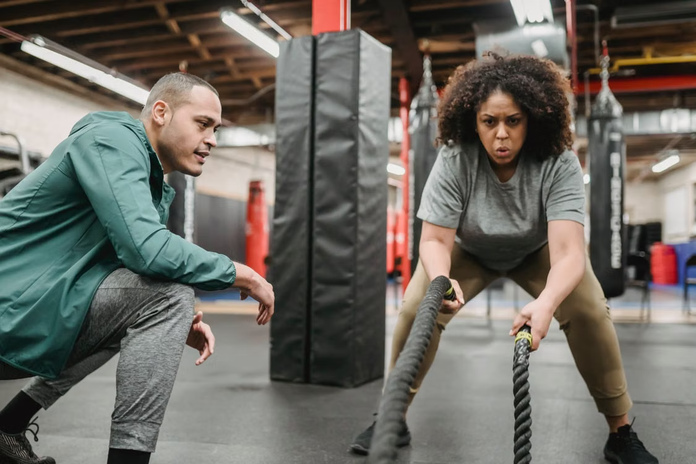

Athletes push their physical limits every single day during practices and competitions. Staying ahead of joint strain and muscle tears requires a structured strategy rather than simple luck.
Athletic trainers spot small movement flaws before micro-traumas turn into severe physical setbacks. They build proactive routines that keep players performing safely throughout long competitive seasons.
Assessing Baseline Movement Patterns
Movement screens give sports medicine specialists a full view of how an athlete moves across multiple planes of motion. Identifying slight compensations in hip hinge mechanics or ankle mobility helps prevent unnecessary strain on major joints. Early detection remains a key tool for keeping athletes off the bench and in the game.
Corrective exercise programs target hidden weaknesses uncovered during initial screening sessions. Muscle imbalances often force surrounding muscle groups to work double time, leading to early fatigue and overuse injuries. Targeted drills rebuild symmetry before real damage occurs on the field.
Tracking kinetic chain alignment during strength workouts reveals subtle shifts in form. Trainers monitor daily fatigue markers to catch negative biomechanical changes early in the season. Daily program adjustments keep athletes moving cleanly without sacrificing raw power.
Expanding Clinical Skills Through Ongoing Learning
Staying current with sports science research demands active professional growth throughout a trainer’s career. Pursuing Continuing Education for Athletic Training equips practitioners with updated corrective exercise methodologies and manual techniques. Regular skill refinement helps clinicians tailor programs to exact athletic demands.
Modern coursework covers sophisticated tissue assessment, joint mobilization, and functional movement testing. Specialists learn to combine tech tools with hands-on techniques for faster player recoveries. Continuous learning turns routine preventative care into a precise physical science.
Practitioners apply these fresh insights directly to daily rehabilitation protocols. Better clinical decisions reduce recovery timelines and boost athletic output. Constant learning builds stronger defense lines against recurring strains and joint issues.
Implementing Dynamic Screening Tools
Evaluating movement quality requires precise evaluation protocols applied consistently before training cycles begin. Systematic screening frameworks help trainers identify movement restrictions long before full workouts start. Standardized tests show exact areas needing targeted corrective work.
Common screening steps include key functional assessments:
- Evaluating single-leg squat stability to check knee alignment
- Measuring ankle dorsiflexion range to prevent calf tightness
- Testing shoulder girdle mobility for throwing athletes
Clear quantitative data guides every adjustment in strength and conditioning programs. Routine re-tests show whether interventions are working as planned over multi-week periods. Data-driven adjustments stop minor aches from becoming long-term injuries.
Promoting Long-Term Wellness and Lifestyle Habits
Injury prevention extends far past the physical boundaries of the weight room. Education on lifestyle choices helps athletes make smart decisions during off-hours downtime. Encouraging adequate sleep, hydration, and solid nutrition builds complete physical resilience.
Official credentialing standards stress promoting healthy lifestyle behaviors with effective education and communication to enhance wellness and minimize the risk of injury and illness. Communication opens doors for players to share early warning signs of physical exhaustion. Honest dialogue prevents overtraining long before symptoms surface.
Coaching players on daily recovery habits creates strong self-care routines. Athletes who prioritize rest recover faster between intense competition cycles. Wise choices outside practice keep performance levels high all year long.
Structuring Progressive Strength and Power Workouts
Building resilient muscle tissue requires structured workload progression based on exercise science. Sudden spikes in training volume often lead to tendon issues and soft tissue tears. Careful periodization protects joint structures while building foundational strength.
Rehabilitation guidelines recommend following ACSM-based guidelines: train all major muscle groups at least twice a week, use moderate loads (30-70% 1RM) for power, and progress volume by no more than 10% each week to build long-term resilience. Strategic loading keeps connective tissues strong under heavy physical demands. Gradual increases give muscles time to adapt cleanly.
Varying exercise selection prevents repetitive stress injuries on vulnerable joints. Changing movement angles distributes physical stress across different muscle groups. Balanced routines build robust athletes ready for intense competition demands.
Utilizing Active Recovery Techniques
Recovery protocol planning forms a key component of complete preventative training systems. Active recovery speeds up cellular repair while maintaining joint mobility across rest days. Planned downtime keeps muscles fresh for high-intensity training sessions.
Key active recovery methods include:
- Low-intensity aerobic flushing on stationary exercise bikes
- Foam rolling and soft tissue self-myofascial release work
- Controlled mobility drills to maintain full joint range of motion
Rest days allow micro-tears in muscle tissue to repair stronger than before. Smart trainers schedule light movement sessions following intense championship games. Consistent recovery work keeps athletes ready for top performance. Balanced recovery routines help reduce accumulated fatigue and support more consistent training quality.
Enhancing Athletic Training Education Standards
Educators in sports medicine continually upgrade their instructional methods to prepare future leaders. Up-to-date teaching methods prepare young professionals for real-world athletic environments. Better preparation produces practitioners capable of handling complex sports injuries.
Professional certification governing bodies confirm that CE activities that enhance educational knowledge and skills necessary to educate athletic training students are acceptable. Fresh teaching methodologies ensure students learn cutting-edge preventative methods. Modern education standards directly improve player health outcome metrics.
Mentorship programs bridge academic concepts with practical sideline care. Young trainers gain real confidence by applying evidence-based strategies under direct guidance. Strong educational foundations elevate the entire sports medicine industry.
Integrating Modern Technology in Monitoring
Wearable technology provides real-time data on physical exertion levels during practice. Tracking GPS metrics and heart rate variability helps spot early signs of physical stress. Digital insights remove guesswork from workload management decisions.
Sensors track movement symmetry during high-speed runs and heavy jumps. Deviations from baseline performance flag potential fatigue before pain starts. Early warning data lets trainers modify individual workload limits immediately.
Software platforms synthesize biometric metrics into simple actionable reports. Data helps coaches and medical staff make informed player rotation choices. Using modern tools keeps athletes safe throughout demanding seasons.

Mastering injury prevention demands constant attention, clear data, and updated clinical skills. Athletic trainers keep competitors healthy by balancing hard training with smart recovery protocols.
Investing in ongoing skill development protects athletes and prolongs successful careers. Proactive physical management ensures players stay on the field performing at top capacity.
Also Read: Precision Recovery for Athletic Performance