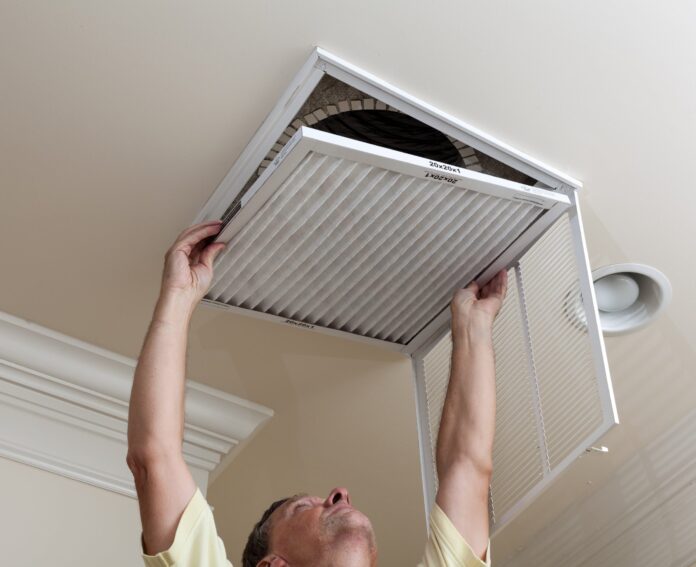

Home renovations often transform a house’s appearance and functionality, but they can also create unexpected challenges that affect indoor comfort. New room layouts, added walls, upgraded insulation, or expanded living spaces may interfere with the flow of conditioned air throughout the home. Homeowners sometimes notice uneven temperatures, weak airflow, or rooms that never seem to reach the desired comfort level after construction is complete. These concerns rarely disappear on their own because they are usually connected to changes in the home’s airflow patterns. Working with an HVAC contractor helps identify the source of these issues and restore balanced, efficient air circulation throughout every renovated space.
Restoring Balanced Indoor Airflow
- Renovations Can Change the Way Air Moves
Many homeowners focus on flooring, cabinetry, lighting, and paint during a renovation while giving little thought to how those changes affect heating and cooling performance. Even relatively small structural modifications can alter airflow by changing the resistance that air encounters as it travels through the home. Closing off an open floor plan, building an additional bedroom, finishing a basement, or converting an attic into living space all influence how conditioned air reaches different areas. Existing ductwork was originally designed for the previous layout, meaning it may no longer distribute air evenly after renovations. An HVAC contractor evaluates these changes by measuring airflow, checking pressure differences, and examining how the updated layout interacts with the existing system.
Rather than simply increasing thermostat settings, the contractor determines whether the ducts require adjustments, the dampers need balancing, or the vents should be relocated. Joe Cool’s Heating and Cooling demonstrates how careful airflow assessments can help homeowners achieve consistent comfort after remodeling projects. Addressing these concerns early prevents unnecessary strain on the heating and cooling equipment while ensuring every renovated room receives the airflow it requires.
- Correcting Ductwork Problems Created During Construction
Construction projects sometimes unintentionally damage or alter duct systems hidden behind ceilings, walls, or floors. Workers installing plumbing, electrical wiring, or framing may disconnect sections of ductwork, compress flexible ducts, or leave joints partially separated. Dust and construction debris can also accumulate inside ducts, restricting airflow before the renovation is even completed. An HVAC contractor performs a detailed inspection to locate crushed ducts, disconnected branches, loose fittings, and other hidden issues that reduce air delivery. Sealing leaks prevents conditioned air from escaping into crawl spaces, attics, or wall cavities instead of reaching occupied rooms.
Adjustments may also include replacing undersized duct sections that no longer support the home’s updated layout. Improving duct integrity allows the system to operate more consistently while reducing unnecessary energy consumption. These corrections also help eliminate noisy airflow, uneven temperatures, and excessive cycling that frequently appear after remodeling projects. By restoring proper airflow through the ductwork, the contractor helps ensure that every room benefits from the improvements made during the renovation rather than struggling with new comfort issues.
- Balancing Air Distribution for New Living Spaces
Home additions often create airflow imbalances because the original heating and cooling system was not designed to serve the expanded square footage. A newly added bedroom, enclosed patio, or enlarged kitchen may receive insufficient airflow, while older areas of the house continue to receive more conditioned air than necessary. An HVAC contractor addresses this imbalance by evaluating airflow volume in each room rather than treating the home as a single zone. Supply registers may require repositioning, return air pathways may need improvement, and balancing dampers can be adjusted to distribute air more evenly. Sometimes additional return vents are installed to improve circulation and prevent stagnant air from collecting in isolated rooms.
Proper balancing reduces temperature differences between old and new sections of the home while allowing the equipment to operate more efficiently. Instead of forcing the system to work harder, airflow adjustments allow conditioned air to reach every living space according to its heating and cooling demands. The result is greater comfort throughout the home, with reduced unnecessary wear on mechanical components.
- Improving Ventilation After Energy-Efficient Upgrades
Many renovation projects include energy-saving improvements such as new insulation, replacement windows, upgraded exterior doors, and air sealing measures. While these upgrades reduce unwanted heat transfer, they also create a tighter building envelope that limits natural air exchange. Without proper ventilation, indoor air may become stale, humidity can increase, and pollutants may remain trapped inside the home. An HVAC contractor evaluates ventilation performance to determine whether fresh air is entering and circulating adequately. Solutions may involve adjusting ventilation equipment, improving exhaust airflow, or integrating fresh-air systems to maintain healthy indoor conditions without sacrificing energy efficiency. Airflow measurements help identify areas where stagnant air develops, particularly in renovated spaces with limited natural ventilation.
Maintaining balanced airflow also supports humidity control, reducing the likelihood of condensation, mold growth, and unpleasant odors. These improvements enhance comfort while protecting building materials from excessive moisture. A home that has undergone significant renovations benefits from ventilation strategies that work alongside the heating and cooling system rather than relying solely on natural air leakage.
- Solving Pressure Imbalances Between Rooms
Pressure differences frequently develop after renovations because room sizes, door locations, and airflow pathways change. Some homeowners notice doors closing by themselves, rooms feeling stuffy, or whistling sounds around door frames. These symptoms often indicate pressure imbalances caused by insufficient return airflow or uneven supply distribution. An HVAC contractor measures static pressure throughout the system to identify restrictions and determine how air moves between connected spaces. Adjustments may include enlarging return ducts, installing transfer grilles, modifying vent locations, or balancing airflow through dampers. Correcting pressure differences allows conditioned air to circulate naturally instead of becoming trapped in isolated areas.
Balanced pressure also helps reduce unwanted infiltration from attics, garages, or crawl spaces that may introduce dust, humidity, or outdoor pollutants into the home. These improvements contribute to more consistent indoor temperatures while supporting smoother system operation. Instead of experiencing rooms that are significantly warmer or cooler than others, homeowners enjoy a more comfortable environment that reflects the goals of their renovation project.
A successful renovation should improve both the appearance and comfort of a home, yet airflow problems can diminish those benefits if left unresolved. Changes to room layouts, ductwork, insulation, and ventilation often require careful evaluation to restore balanced air circulation throughout the property. An HVAC contractor identifies hidden issues, adjusts system performance, and ensures that conditioned air reaches every space effectively. These improvements reduce uneven temperatures, support healthier indoor air, and help the heating and cooling system operate more efficiently over time. Addressing airflow concerns after renovations allows homeowners to fully enjoy their updated living spaces with greater comfort, reliability, and long-term performance.