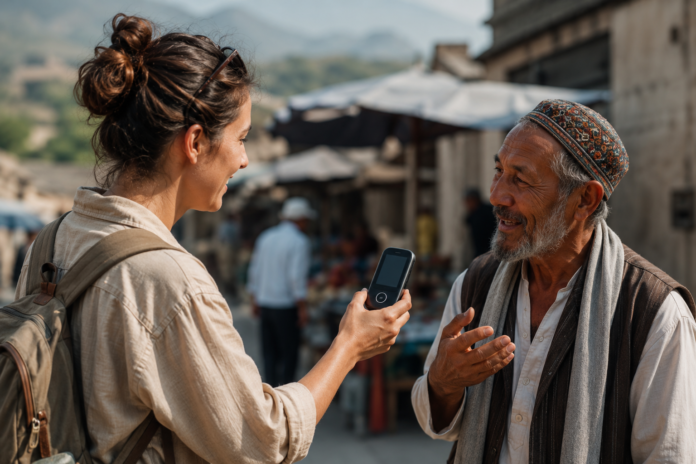

The best travel moments almost always involve talking to someone whose language you do not share — a market vendor who wants to explain a fruit you have never seen, a taxi driver who has an opinion about which neighborhood to walk through after dark, a grandmother in a village who wants to know where you are from. For decades those moments have been carried by gestures, pointing, and the patient goodwill of strangers. That patience is a beautiful thing, but it also caps how much a traveler can actually learn on a trip. A pocket-sized translator turns a stumble into a conversation, and a conversation is where the real memories of a trip live.
This guide is written for independent travelers, first-time backpackers, and slow travelers who want to move through unfamiliar countries with more curiosity and less anxiety. It covers what to expect from a modern translator, how to prepare it before departure, how to use it without turning every interaction into a screen-mediated moment, and how to build the small etiquette habits that make locals happy to help.
From Phrasebook to Fluent Conversation
Travelers have been carrying language help since guidebooks first existed. The problem with the phrasebook is that real conversation never follows the script. The vendor says something back, the taxi driver asks a question, the grandmother laughs and offers a different suggestion, and the phrasebook cannot keep up. Even smartphone apps struggle in these moments because they need reliable data, they are slow to open, and they invite the traveler to stare at a screen instead of at the person in front of them.
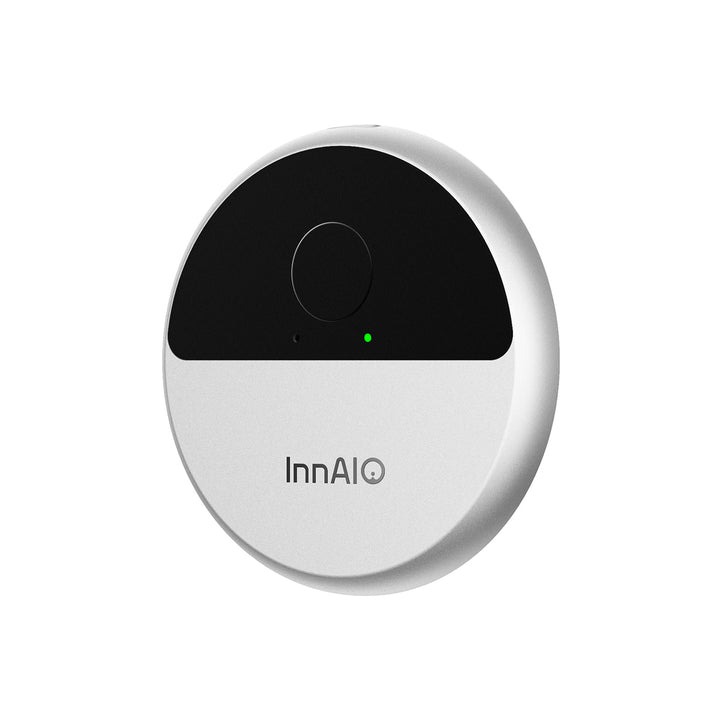
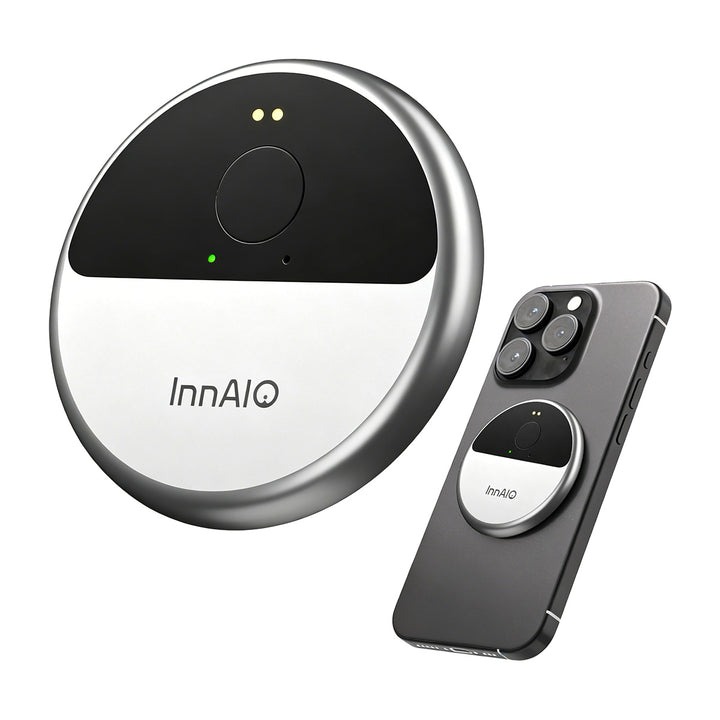
A modern ai translator device changes the interaction because it is fast, dedicated, and unassuming. The traveler presses one button, speaks a sentence, and the device produces a spoken reply the other person understands. The vendor answers, the device translates back, and within thirty seconds the exchange has moved from a wall of silence to a real back-and-forth. Nothing about that felt possible with a phrasebook in the same amount of time.
Choosing a Device That Fits the Way You Travel
Not every traveler needs the same features. A weekend visitor to a nearby country needs less than a year-long overland traveler crossing a dozen borders. Start with a simple question: which languages am I most likely to encounter in the next twelve months? Choose a device that handles those languages beautifully, especially offline, rather than one that advertises hundreds of languages but does none of them exceptionally well. Look at translation speed under normal conversational pace, because a delay of even a few seconds kills the natural rhythm of an exchange.
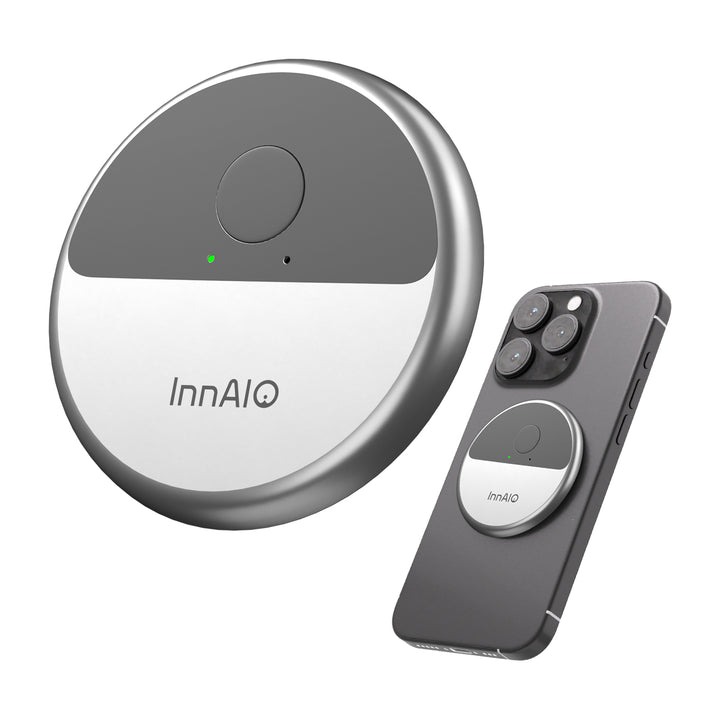
Physical design matters more than travelers expect. A translator that is easy to hold in one hand while carrying a coffee, a bag, and a map is far more useful than a slightly better model that requires two hands. Battery life should reach through a full day of sightseeing without a mid-afternoon panic search for a charger. A protective case, or a rugged body, prevents the device from becoming a very expensive dust collector after the first fall.
Offline Modes and Data-Free Travel
Data roaming plans are unreliable at best. In mountain valleys, on ferry rides, and in the older parts of most cities, coverage disappears for hours. A translator that continues to work offline in the languages you have downloaded is what separates a device that helps everywhere from one that helps only in cafes. Before the trip, download every language pack you might need and test the device in airplane mode at home to confirm it works without the internet.
Everyday Situations Where the Device Earns Its Place
The most common wins on a trip are small but constant. Ordering food from a menu that has no pictures becomes possible because the traveler can ask the server what a dish is and whether it contains something they cannot eat. Public transport becomes far less stressful because the traveler can ask a stranger which platform, which stop, which side of the train. Pharmacies stop being scary because symptoms can be described precisely and the pharmacist can respond in their own words. Each of these moments would have been a small stress on a trip without translation and becomes an easy exchange with the device.
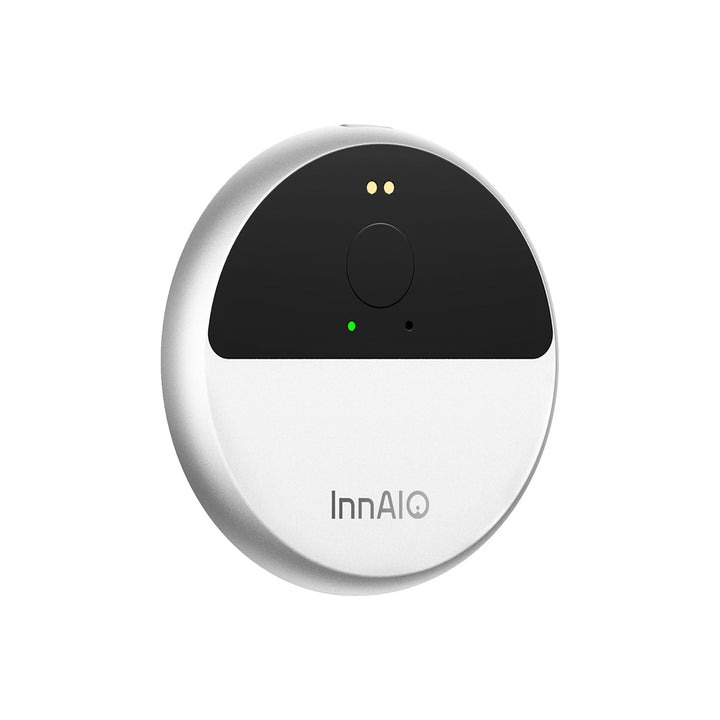
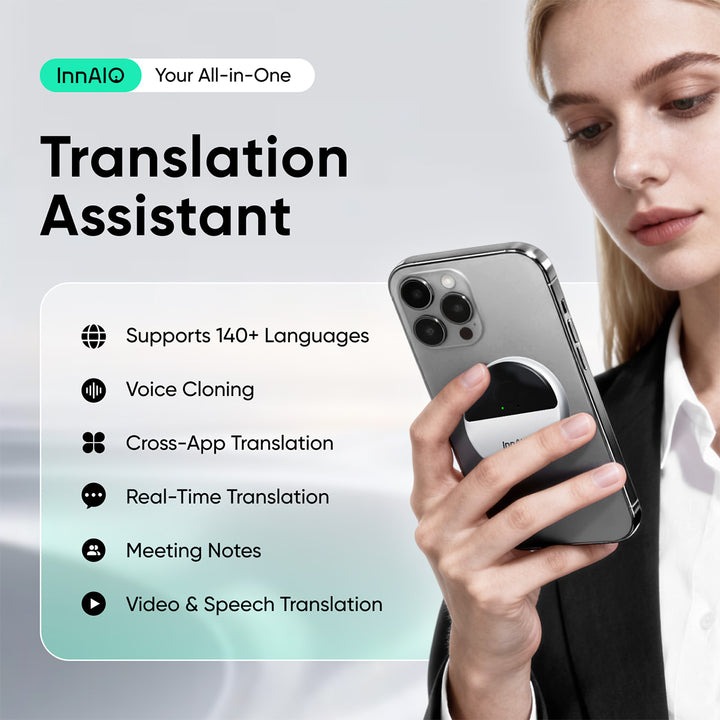
Then there are the moments that turn a trip into a story. A conversation with a shopkeeper about how the town has changed. A long ride with a driver who wants to explain a religious festival happening the next day. A meal at a family-run guesthouse where the owner insists on sitting down to talk about their grandchildren. These moments happen with or without a translator, but with one they become deeper. INNAIO’s translator lineup is used by many long-distance travelers precisely for these longer, richer exchanges rather than only for transactional needs.
Etiquette and Making Locals Comfortable
A translator is a tool, and how the traveler uses it matters as much as how well it works. Point the device slightly away from the other person’s face rather than shoving it under their chin. Speak clearly, in short natural sentences, and pause for the translation to play before continuing. If the other person seems uncomfortable, put the device away and use gestures for a while. The best travelers use the translator to open a conversation and then let the human moment carry it, not the other way around.
Learn a few polite phrases in the local language before arriving — hello, thank you, please, excuse me — and use them even when the device could do it for you. This small effort signals respect and softens the moment when the translator does come out. Locals almost universally respond warmly to a visitor who tries, and the translator handles the harder work once the connection is established. Consider learning the local word for the device itself, so you can introduce it politely rather than surprising someone with an unfamiliar object.
Recording, Privacy, and Local Laws
Many translators record audio as part of the translation process. Be aware that recording strangers has different legal meanings in different countries. In most places a short conversation asked and answered aloud is not an issue, but longer recordings, especially inside private spaces, may violate local law. When in doubt, ask permission before recording, and delete recordings the traveler no longer needs. This small habit keeps the device in the useful category rather than the problem category anywhere in the world.
Traveling Wider Than the Language Barrier
Travel has always been shaped by what the traveler could and could not say. Every generation has pushed the boundary a little further with better dictionaries, better guidebooks, better apps, and now dedicated translation devices. The result is a kind of travel that was rare a decade ago and is normal today: independent travelers walking into countries whose alphabets they cannot read, striking up conversations with people they would never have approached, and coming home with stories that would have been impossible in silence. The technology is only part of the story. The rest is the traveler’s willingness to use the device gently, learn a few phrases without it, and treat every exchange as a small collaboration. Chosen carefully, prepared before departure, and used with respect, a pocket translator turns the language barrier from a wall into a soft edge — one the traveler crosses whenever they feel like meeting someone new.