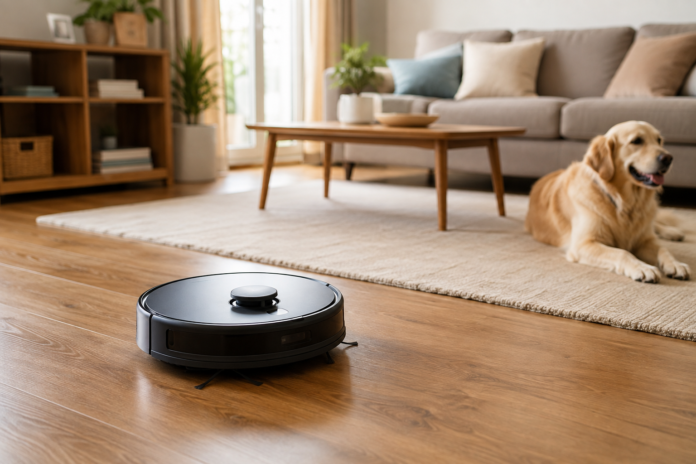

Between work, kids, pets, and everything else on a daily to-do list, floor cleaning is usually the first chore to get pushed aside. Dust gathers under the couch, crumbs pile up in the kitchen, and pet hair seems to multiply overnight. A robot vacuum has become one of the most practical answers to this problem, quietly working through the house while you focus on things that actually need your attention.
Unlike a traditional vacuum that demands a dedicated block of time, a robot vacuum runs on its own schedule and handles the repetitive work in the background. For renters, parents, and anyone juggling a packed calendar, that shift alone can change how a home feels day to day. This article looks at why floor cleaning becomes such a burden, what a robot vacuum realistically solves, and how to choose and use one so it actually earns its place in your home.
Why Busy Households Struggle to Keep Floors Clean
Floors take more abuse than almost any other surface in a home. Shoes track in dirt, pets shed constantly, and food particles from the kitchen table have a way of migrating across the whole first floor. Add a full work schedule or young children into the mix, and the gap between “floors that need cleaning” and “time available to clean them” only grows wider.
Most people don’t skip vacuuming because they don’t care about a tidy home. They skip it because pulling out a heavy upright, finding an outlet, and setting aside twenty uninterrupted minutes rarely fits into a normal day. Over weeks, that gap turns into visible buildup: dust bunnies along baseboards, hair tangled in rug fibers, and a general sense that the house needs more upkeep than anyone has time for. The robot vacuum category exists specifically to close that gap, taking on the routine cleaning so it doesn’t pile up into a bigger job later.
What a Robot Vacuum Actually Solves
The value of a robot vacuum isn’t just that it moves around and picks up dirt. It’s that it removes the decision-making and physical effort from an otherwise tedious task, letting cleaning happen consistently instead of sporadically.
Everyday Dust and Pet Hair
Dust and pet hair are the two most common complaints among households with a robot vacuum on their wish list. These particles settle constantly and are easy to miss until they’ve built up into visible clumps. A robot vacuum that runs on a daily or near-daily schedule catches this buildup early, so floors never reach the point where they look neglected. For homes with cats or dogs, this kind of routine pass matters more than any single deep clean, since shedding never really stops.
The practical benefit shows up fastest in homes with light-colored flooring or rugs, where dust and hair are most visible. Instead of noticing the mess and then scheduling a cleaning session, the floor simply stays in a consistently better state because the robot has already been through several times that week.
Hard-to-Reach Corners
Under beds, behind toilets, along baseboards, and in tight corners near furniture legs are the areas people skip most often with a manual vacuum, simply because reaching them is inconvenient. A low-profile robot vacuum is built to slide into these spaces without needing to be physically maneuvered by hand. Over time, this means the parts of a home that usually collect the most dust are actually being addressed instead of ignored until a big seasonal clean.
Choosing the Right Robot Vacuum for Your Home
Not every robot vacuum performs the same way in every home, and matching the device to your specific layout and habits makes a real difference in day-to-day satisfaction.
Navigation and Mapping
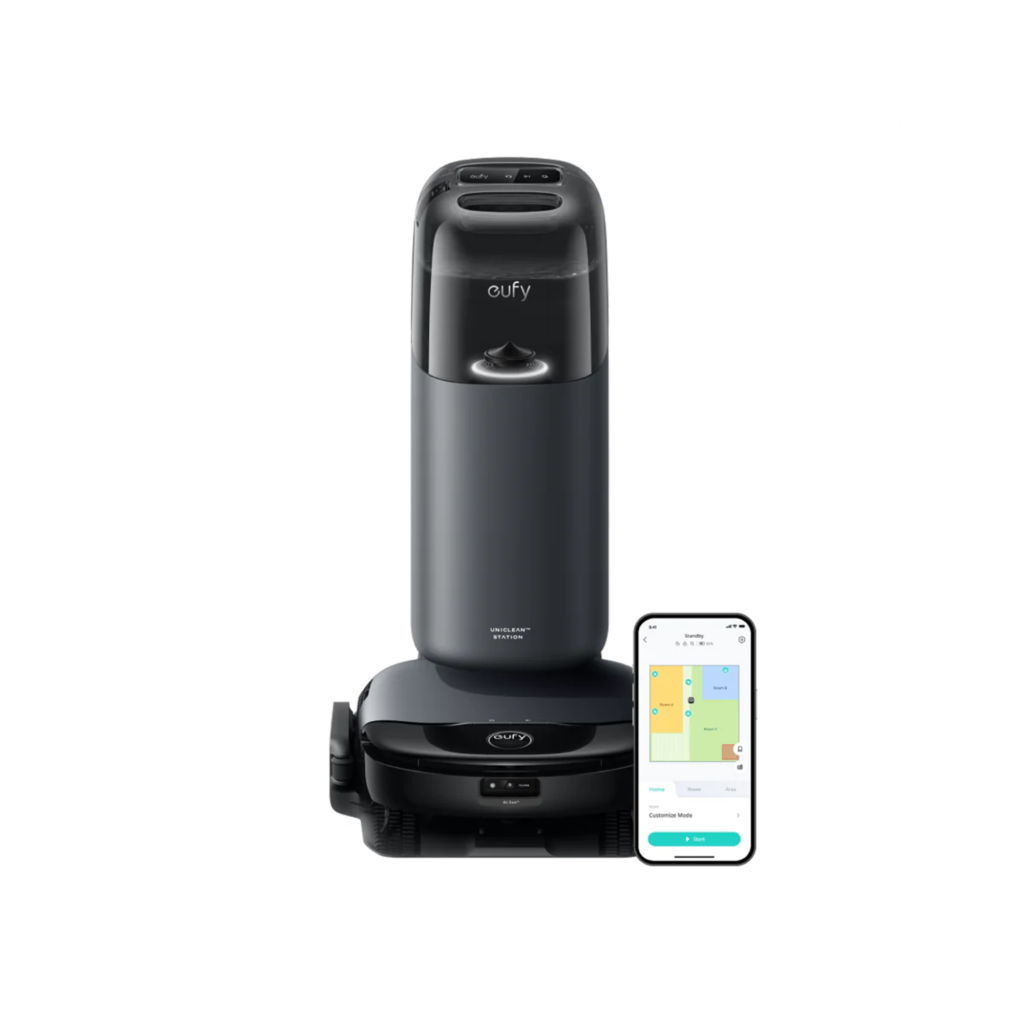
Homes with multiple rooms, open floor plans, or a lot of furniture benefit most from models with structured mapping rather than random bump-and-turn movement. Mapped navigation allows the vacuum to clean methodically, avoid repeated passes over the same spot, and skip areas it has already covered. It also makes it possible to set no-go zones around pet bowls, cables, or delicate rugs, which matters a lot in homes with young kids or curious pets.
For smaller apartments or single-level homes, mapping is less critical, since there’s simply less ground to cover and fewer obstacles to navigate around. In these cases, a simpler and more affordable model can still deliver solid results without needing advanced room recognition.
Suction Power and Battery Life
Suction strength should match the flooring type more than any marketing number suggests. Homes with thick carpet or a lot of pet hair need stronger suction and effective brush rollers, while homes with mostly hard flooring can get away with more modest power. Battery life matters just as much, particularly in larger homes, since a vacuum that dies mid-cycle and returns only partially charged creates more hassle than it saves.
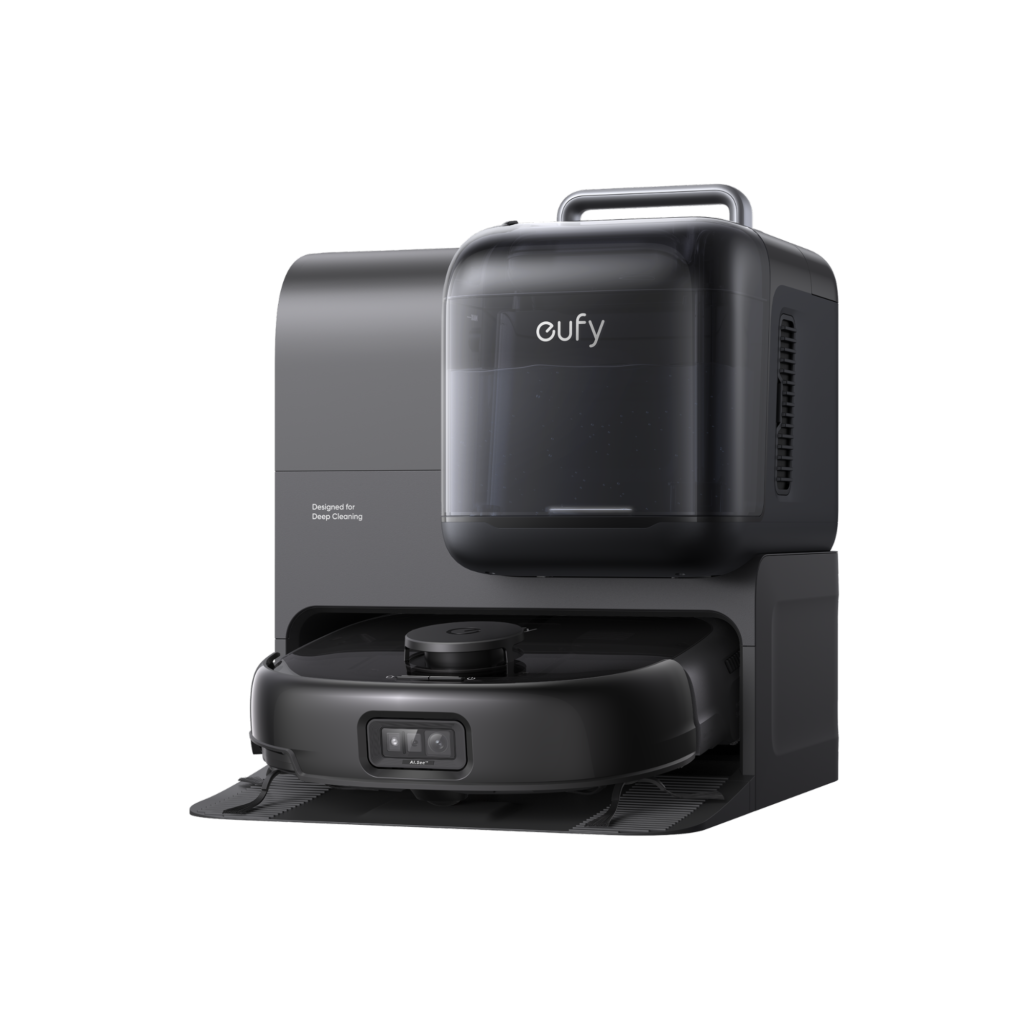
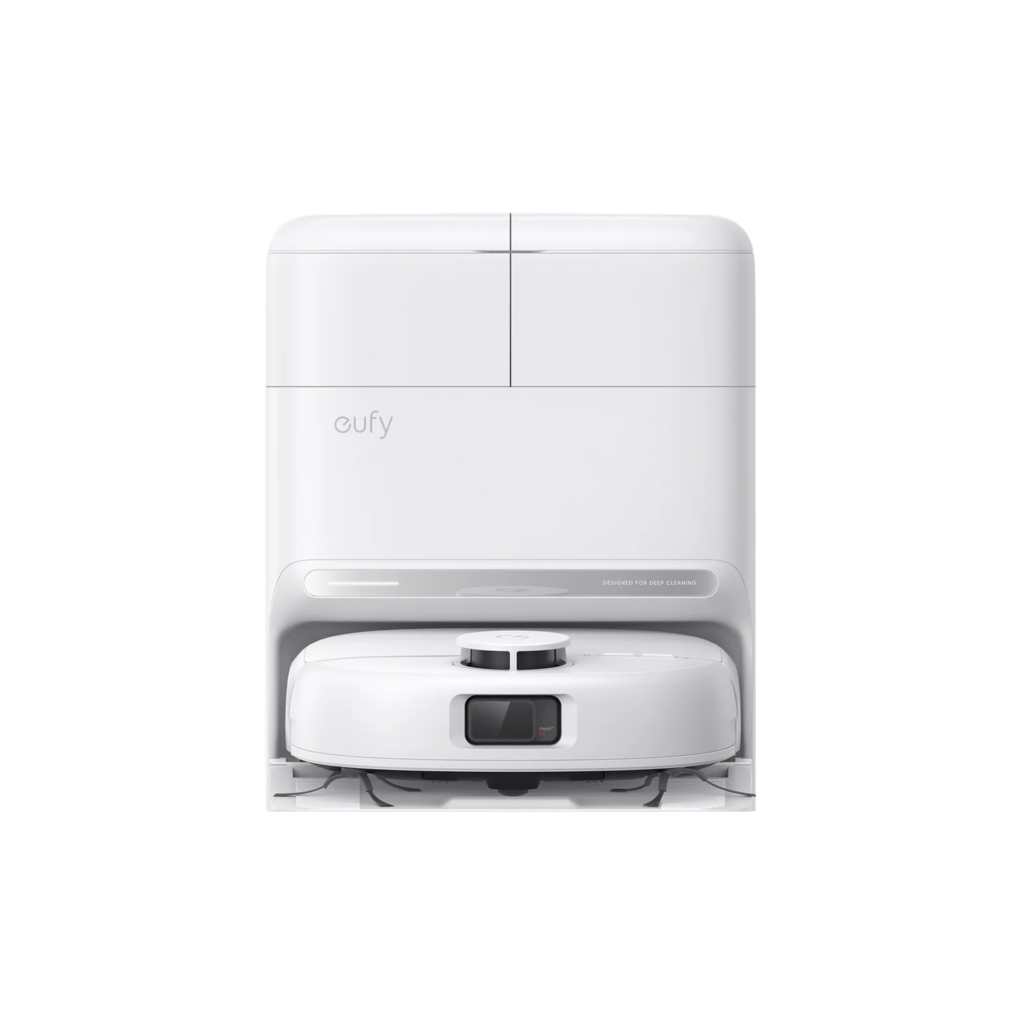
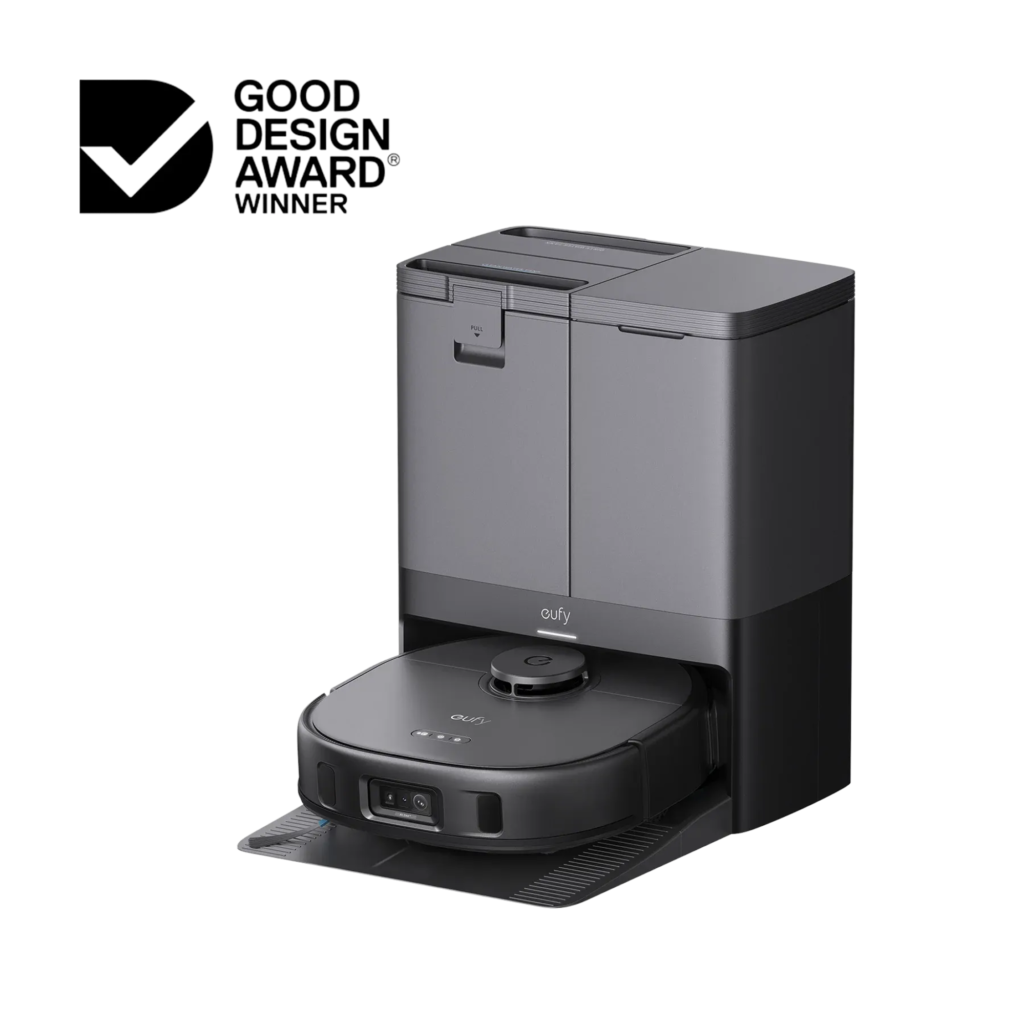
Self-emptying dust bins and self-cleaning mop pads have become common additions in this space, and they’re worth considering for anyone who wants to minimize hands-on maintenance between cleanings. These features don’t change how well the vacuum cleans, but they do reduce how often you need to think about it at all.
Making the Most of Automated Cleaning
Getting real value from a robot vacuum comes down to setup and routine, not just the device itself. Clearing loose cables, securing rug edges, and picking up small objects before the first few runs helps the vacuum learn your space without getting stuck or causing damage. Setting a consistent daily or every-other-day schedule, rather than running it occasionally, is what actually keeps floors from reverting to their old state.
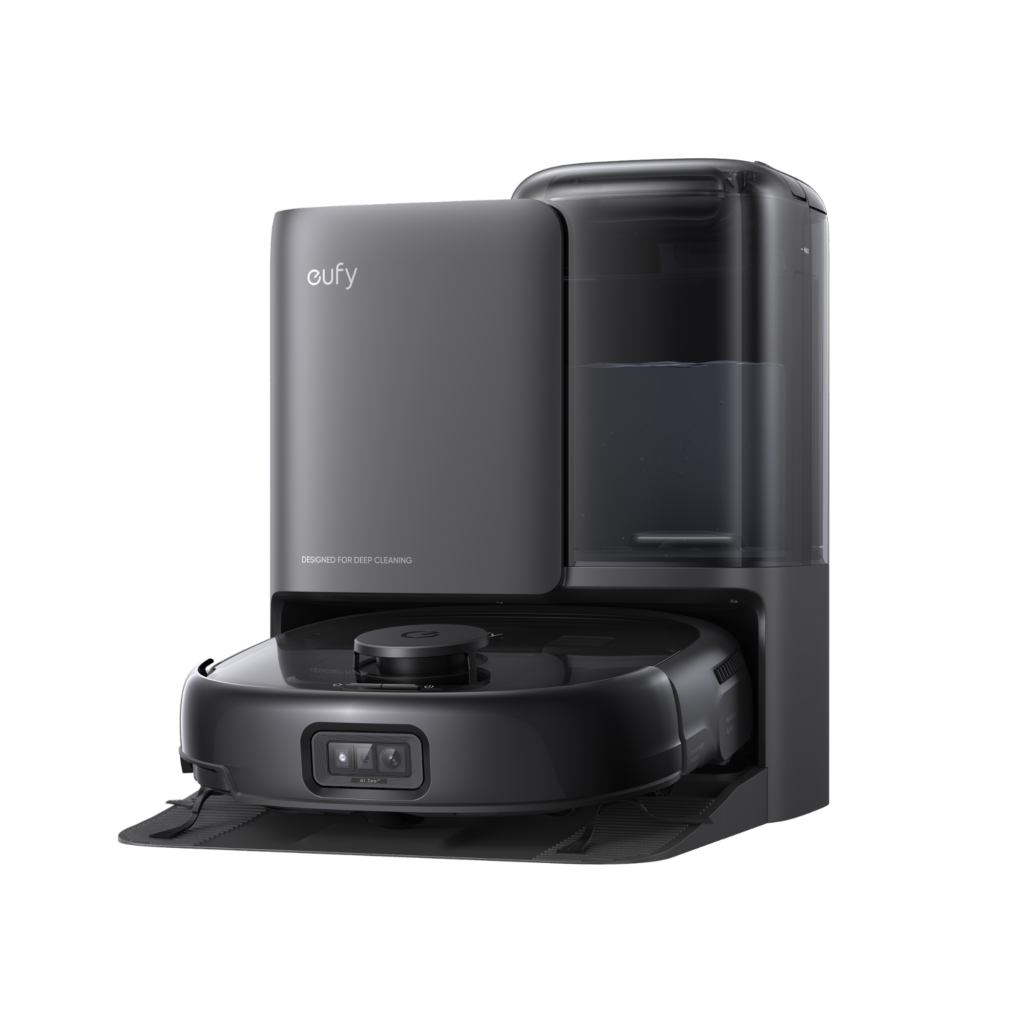
It also helps to think of the robot vacuum as a maintenance tool rather than a replacement for deeper cleaning. A quick manual pass in high-traffic zones every few weeks, paired with daily automated runs, covers both the everyday buildup and the occasional stubborn mess that needs more focused attention. Brands like eufy have leaned into this maintenance-first approach, building devices meant to run quietly and consistently rather than demand constant supervision. That combination of light-touch daily upkeep and lower-frequency deep cleaning is what keeps a home feeling consistently tidy without turning cleaning into a weekend project.
Turning Floor Care Into a Background Task
Keeping floors clean shouldn’t require rearranging your schedule around a vacuum cleaner. A robot vacuum takes the most repetitive, time-consuming part of home upkeep and moves it into the background, running on its own while you handle everything else on your plate.
Choosing a model that fits your home’s layout and flooring, giving it a sensible daily routine, and pairing it with occasional manual touch-ups is enough to keep floors in noticeably better shape without extra effort. For households that have been putting off regular vacuuming simply because there’s no time for it, this kind of automated support tends to make the biggest practical difference of any home cleaning upgrade.