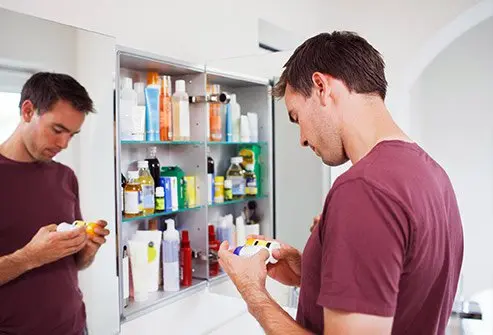

Even the most careful and health-oriented people face the situation when they need an immediate remedy. Headaches, muscle pain, seasonal illnesses, allergies, traumas, or digestive dysfunctions can happen suddenly, and your home medicine cabinet should be ready for each of these challenges.
How to stock it smartly? Let’s get some tips about that.
A Home Medicine Cabinet Needs More Than Familiar Names
What does each home medicine cabinet typically consist of? The answer to this question depends on your household composition, age and the health conditions of each of its members. Therefore, when you want to fill it with necessary medications and medical equipment, first you need to evaluate the most typical issues that require them.
The first-aid kit that would come in handy for every family may include:
- Pain-relieving products (oral and topical);
- Fever relief products;
- Medications for congestion and cough treatment;
- Products for digestion support;
- Disinfectants and antiseptics;
- Wound-healing products;
- Bands and plasters;
- Thermometers and pressure monitors.
Additionally, you can add to that list specific medications for your family’s wellness needs, vitamins and supplements.
All these products need to be stored safely and inspected regularly to replace expired products.
Understanding Fever and Pain Relief Categories
One of the most sought-after categories of OTC medicines is pain-relieving and fever-relieving products. However, they are not the same. You cannot keep a universal medication for both fever and pain relief because of their difference in action. Both categories fall into two primary chemical classes: Acetaminophen and NSAIDs. Both of them can provide fever relief and pain management, but their action mechanisms differ.
- Fever reducers typically act as antipyretics and provide mild analgesic action; they block pain signals in the nervous system and reset the body’s internal thermostat.
- NSAIDs affect the production of inflammatory chemicals (prostaglandins) and thus provide pain relief and reduce fever.
Why the Active Ingredient and Strength Matter
When choosing a fever reducer, you should go beyond the brand name but to focus on the dosage of the active component in the product. The same acetaminophen/paracetamol is branded by various names but contains the same substance. Yet, labeling offers different amounts of active components: 100, 200, or 500. So, when you choose Paracetamol 500 mg, you get a portion of 500 mg of acetaminophen in each tablet. If you choose a lower concentration, you need more portions of a product to gain the same effect. Such differences are essential because of various age limitations and overall intake convenience. For kids or people with specific health conditions, often medications with lower concentrations are allowed.
Avoiding Accidental Ingredient Duplication
The next thing to check in your home medical cabinet is possible product duplication. For example, if you have acetaminophen-based medications under different labels, you should avoid using them simultaneously so as not to overdose. This refers to tablets, pills, and syrups. Do not use them in combination, and select a single product for a single purpose. You can keep syrup medications for children and tablets for adults, but do not mix them.
Build a Safer Routine Around Clear Labels
There is no need to keep dozens of medications in your home medicine cabinet. When you get clear information about each OTC, you can plan its contents smartly. Just evaluate the typical situations you and your family members face regularly, and fill in your first-aid kit with products with evidence-based efficiency and with a proper concentration of active components.
Please thoroughly check the formulation of each medication, its dosage, and expiration date to avoid unnecessary duplication of similar in action products and expired medicines.