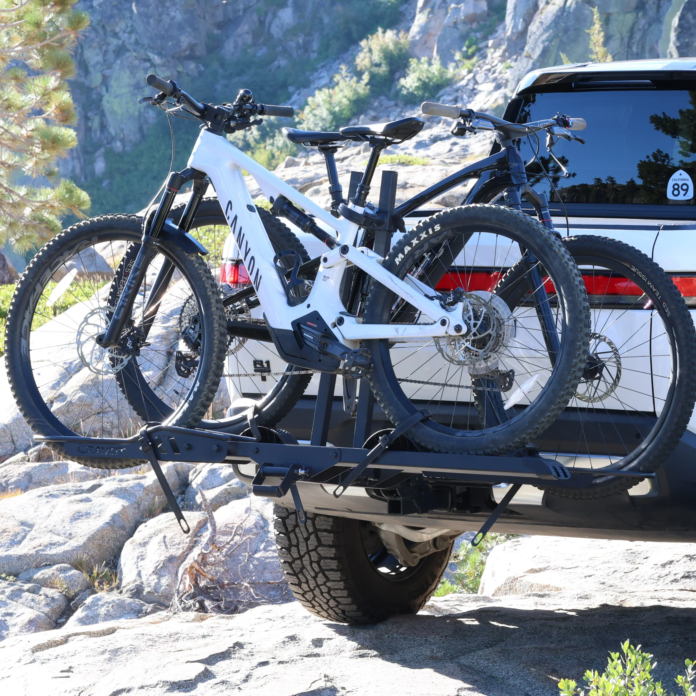

Every cyclist eventually faces the same question: what is the best way to transport a bike safely and conveniently? While riding is the enjoyable part, getting the bike from one location to another can sometimes create unnecessary challenges. As cycling becomes more popular, riders often discover that owning a bike is only the first step. The next challenge is finding a reliable way to transport it. Carrying my bike inside the vehicle took away valuable space, while lifting it onto a roof rack required more effort than I expected. These experiences made me realize that the right transportation setup can completely change how often and how comfortably I explore new places.
A hitch bike rack has become one of the most practical solutions for many riders because it offers a balance of convenience, security, and ease of use. Compared with other options, it provides a simple way to carry bikes while keeping the vehicle ready for passengers and gear. In this guide, I will compare different bike transportation methods and explain why a hitch mount bike rack may be the right choice for many cycling enthusiasts.
Carrying Bikes Inside the Vehicle
Before using a dedicated rack, many riders try placing bikes inside their vehicles. While this method can work for short trips, it often creates several problems. The biggest disadvantages include:
- Limited passenger space
- Dirty vehicle interiors
- Difficult loading process
- Need to remove wheels or adjust the bike
For someone who only transports a bike occasionally, this may be acceptable. However, regular cyclists often find that it becomes inconvenient over time. A bike takes up a surprising amount of space, especially when traveling with additional equipment.
Roof Racks: Convenient but Not Always Practical
Roof racks are another popular transportation option. They keep bikes outside the vehicle and leave the rear area accessible. However, they also come with certain challenges. Some common concerns include:
Difficult Loading
Lifting a heavy bike above your head can be physically demanding, especially after a long ride.
Increased Vehicle Height
Drivers need to remember the added height when entering garages, parking areas, or low-clearance spaces.
More Wind Resistance
Roof-mounted bikes can affect vehicle aerodynamics and may increase fuel usage during longer trips. While roof racks have their advantages, they are not always the most convenient choice for every rider.
Why Hitch Bike Racks Stand Out
A hitch bike rack provides many of the benefits cyclists look for without some of the common issues associated with other methods. The main advantage is accessibility. Because bikes are mounted at the rear of the vehicle, loading becomes much easier. Riders do not need to lift heavy bicycles overhead, making the process faster and less physically demanding. Other benefits include:
- Easy installation
- Better bike accessibility
- More interior storage space
- Comfortable loading height
- Support for different bike styles
For many cyclists, this combination makes hitch-mounted systems a practical long-term solution.
Comparing Convenience During Real Trips
The best transportation option is not just about installation; it is about how it performs during real situations. Imagine preparing for a weekend cycling trip. With a roof rack, you may need to lift bikes high, secure them carefully, and remember vehicle height limitations. With a hitch mount bike rack, the process is usually simpler. Bikes can be loaded closer to the ground, secured, and checked quickly before starting the journey. For riders who travel often, these small time savings make a noticeable difference.
Supporting Different Cycling Lifestyles
Not every cyclist uses their bike the same way. Some people enjoy:
- Weekend trail rides
- Family cycling trips
- Mountain biking adventures
- Camping journeys
- Long-distance cycling events
A good bike rack should match your lifestyle. When selecting a rack, consider:
- How many bikes you carry
- Bike weight
- Vehicle compatibility
- Travel frequency
- Storage requirements
Choosing based on your actual needs helps avoid buying equipment that does not fit your routine.
Electric Bikes Change Transportation Requirements
Electric bikes have become increasingly popular because they allow more people to enjoy cycling. However, they also create new challenges when it comes to transportation. Many eBikes are heavier than traditional bicycles, which means riders need stronger support systems. A suitable rack should provide:
- Higher weight capacity
- Secure mounting points
- Stable wheel support
- Reliable locking features
Riders should also consider tire width, wheelbase length, and whether the rack is designed for fat tires or heavier eBike frames. A properly designed hitch bike rack can be an excellent option for riders who want to transport heavier bikes safely.
Safety Considerations Before Every Trip
No matter which transportation method you choose, safety should always be a priority. Before driving, I recommend checking:
- Rack attachment points
- Bike positioning
- Security straps
- Locking mechanisms
- Vehicle clearance
These checks only take a few minutes but provide much greater confidence during travel. A secure setup protects both your bike and other drivers on the road.
Why Quality Matters When Choosing a Rack
A bike rack is exposed to outdoor conditions every time you use it. Rain, dust, road vibrations, and temperature changes can all affect equipment over time. This is why choosing a durable product is important. CRAVOT focuses on creating reliable bike transportation solutions designed for riders who value convenience and performance. A well-built hitch mount bike rack can make transportation easier while providing confidence during everyday trips and larger adventures. Instead of replacing low-quality equipment repeatedly, investing in a dependable rack can provide better long-term value.
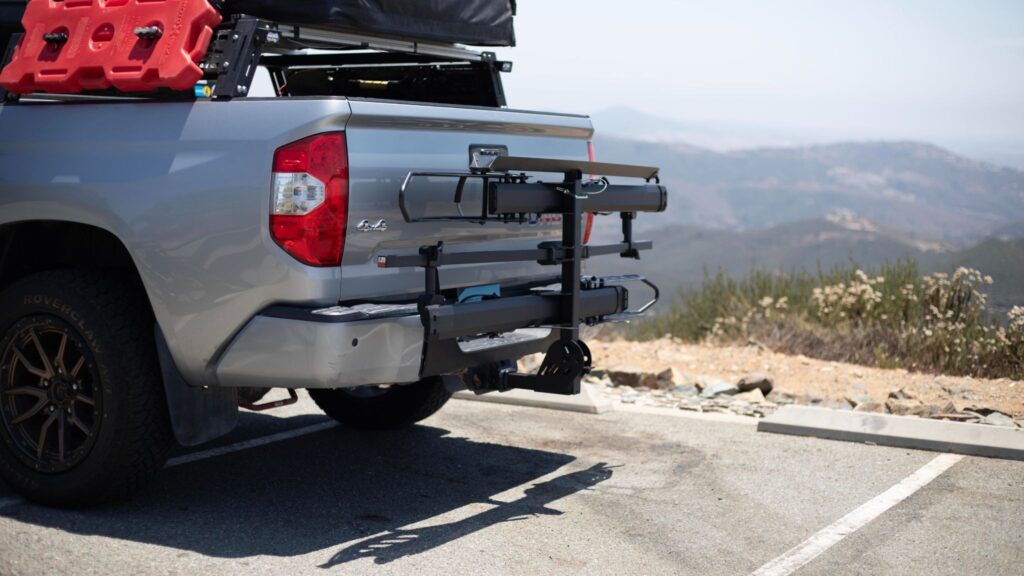
Maintaining Your Hitch Rack Properly
Like any cycling equipment, a rack performs better when it receives regular care. Simple maintenance steps include:
- Cleaning after outdoor trips
- Checking bolts and connections
- Inspecting straps
- Protecting moving parts
- Storing properly when unused
These habits help maintain safety and extend the lifespan of the rack.
Choosing the Right Option for You
There is no universal answer for every cyclist. The right transportation method depends on your vehicle, bike type, and personal preferences. However, for riders who value easy loading, accessibility, and flexibility, a hitch bike rack offers a strong combination of benefits. It provides a practical solution for people who want to spend more time riding and less time dealing with transportation problems.
Conclusion
Choosing the right way to transport your bike can have a major impact on your overall cycling experience. While different options have their own advantages, many riders find that a hitch bike rack provides the convenience and reliability they need. With easier loading, better accessibility, and compatibility with various bike styles, a quality hitch mount bike rack can make every trip smoother. Whether you are exploring nearby trails or planning a cross-country adventure, the right rack allows you to focus on the journey ahead instead of worrying about how to get your bike there.
FAQs
Is a hitch bike rack better than a roof rack?
For many riders, yes. Hitch racks are often easier to load because bikes sit lower and do not require lifting overhead.
Can a hitch mount bike rack carry heavy electric bikes?
Many hitch-mounted racks are designed for heavier bikes, including some eBike models. Always check the weight capacity before use.
Do hitch racks take a long time to install?
Most modern hitch racks are designed for simple installation, but proper setup should always follow the manufacturer’s instructions.
Will a hitch bike rack block access to my vehicle?
Some models include features that allow easier vehicle access, but this depends on the rack design.
How do I maintain my hitch bike rack?
Regular cleaning, checking connections, and inspecting moving parts can help keep the rack safe and reliable for long-term use.