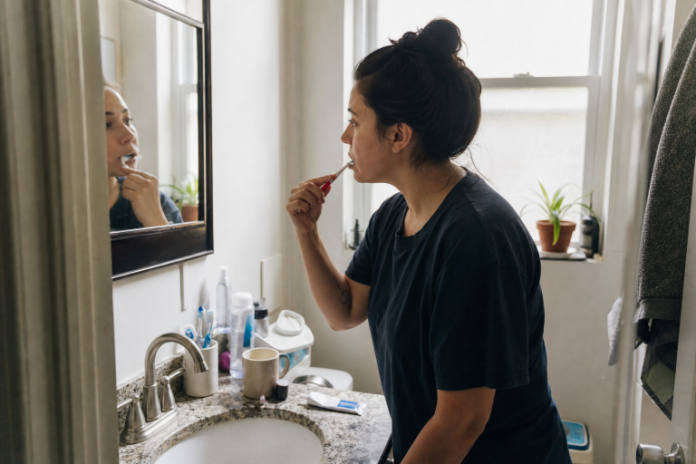

Between commutes, school schedules, weekend walks around Lake Fairfax, and busy family calendars, oral care can feel easy to postpone. Still, a practical routine at home, paired with guidance from a dentist in Reston, VA, can help residents protect their teeth and gums through every stage of life. Healthy smiles are usually built through ordinary actions repeated consistently. Brushing well, cleaning between teeth, choosing water more often, and noticing changes early can make oral care more manageable for children, adults, and older adults alike.
Why a Simple Routine Matters
Dental problems do not always begin with obvious pain. Plaque can collect along the gumline and between teeth, while early decay may be difficult to notice without an exam. Someone may brush carefully every morning and night, but still leave food debris and plaque between closely spaced teeth if that area is never cleaned. The goal is not perfection. It is to make oral care dependable enough that it happens even on rushed mornings, late evenings, and travel days. Small choices add up over months and years.
The Daily Foundation for Healthy Teeth
A reliable morning-and-evening routine gives teeth and gums regular protection. The Centers for Disease Control and Prevention advises adults to brush twice a day with fluoride toothpaste and to clean between teeth to remove plaque.
- Use a soft-bristled toothbrush and fluoride toothpaste.
- Brush for about two minutes, covering outer, inner, and chewing surfaces.
- Use gentle pressure, especially near the gumline.
- Replace a brush or brush head when bristles become bent or worn.
- Clean the tongue gently if buildup or bad breath is a concern.
Common Brushing Mistakes
Brushing too quickly, scrubbing hard, focusing only on front teeth, and sharing toothbrushes can all weaken a routine. After brushing, spit out excess toothpaste rather than immediately rinsing thoroughly, unless a dental professional has given different instructions.
Why Cleaning Between Teeth Counts
Toothbrush bristles cannot reliably clean every contact area between teeth. Floss works well for many people, while interdental brushes may be useful around wider spaces, braces, bridges, or some dental work. Water flossers can also be an option for people who find string floss difficult to use. The best tool is usually the one a person can use correctly and consistently. Clean between teeth once a day unless a dental professional recommends another schedule. Mild bleeding can occur when irritated gums are first cleaned regularly, but persistent bleeding should be discussed at a dental visit.
Food and Drinks That Support Oral Health
Food choices do not need to be all-or-nothing. In Reston, where a coffee stop or sports drink can easily become part of a packed day, the pattern of eating and drinking matters. Frequent exposure to sugar and acid gives teeth less time to recover between meals.
- Choose water often, particularly between meals.
- Limit sipping sweetened drinks over long periods.
- Keep sugary or sticky snacks occasional rather than constant.
- Include nutrient-rich foods, such as vegetables, fruit, dairy foods, beans, and other balanced meal options.
- Rinse with water after acidic drinks or foods, then wait a little while before brushing.
Why Timing Matters
Having a sweet drink with a meal and switching back to water is generally easier on teeth than sipping it for several hours. This approach does not require eliminating every treat. It simply reduces how often teeth are exposed to sugar and acid throughout the day.
How to Watch for Gum Problems
Healthy gums are generally firm and should not bleed regularly during gentle brushing or cleaning between teeth. Redness, swelling, tenderness, persistent bad breath, bleeding, or gums that appear to pull away from teeth can signal that professional advice is needed. Smoking, dry mouth, certain medications, and health conditions such as diabetes can affect gum health. Acting early may make a problem simpler to manage than waiting until discomfort becomes more severe.
What Regular Dental Visits Add
Home care and professional care have different roles. During a visit, a dental team can assess teeth, gums, restorations, bite changes, and areas that may be difficult to monitor at home. Visit timing is personal and can depend on age, dental history, current symptoms, medical conditions, and risk for decay or gum disease.
Useful questions include:
- Which areas need more attention at home?
- How often should exams and cleanings be scheduled?
- Could dry mouth be related to a medication?
- What changes should prompt an earlier appointment?
Building Good Habits in Children
Children benefit when oral care becomes a predictable family routine. Caregivers can begin cleaning the mouth before a child has a full set of teeth, then brush when teeth begin to appear. For children younger than 3, use a rice-grain-sized smear of fluoride toothpaste. For ages 3 through 6, use a pea-sized amount and supervise brushing to reduce the risk of swallowing. The CDC explains that brushing twice a day with fluoride toothpaste helps protect teeth, and parents can make the habit easier with a timer, song, or shared brushing routine. Offer water often, clean between teeth as soon as they touch, and schedule dental care early rather than waiting until a problem arises.
Warning Signs That Need Attention
Contact a dental professional when there is persistent or recurring tooth pain, pain when biting, severe sensitivity to hot, cold, or both, ongoing gum bleeding, a cracked or loose tooth, swelling, a sore that does not heal, or bad breath that does not improve with regular cleaning.
Facial swelling, trouble breathing or swallowing, fever with swelling, or severe pain may require urgent medical or dental care.
A Seven-Day Oral Health Reset
- Day One: Check your toothbrush and replace it if the bristles are worn.
- Day Two: Use a two-minute timer while brushing.
- Day Three: Add floss, an interdental brush, or a water flosser at the same time each day.
- Day Four: Replace one sweetened drink with water.
- Day Five: Notice any bleeding, sensitivity, or soreness.
- Day Six: Write down questions for your next dental visit.
- Day Seven: Keep the habits that fit your household and repeat them.
A Routine That Can Last
Oral health does not require a flawless routine. It requires steady attention: brush twice daily, clean between teeth, make thoughtful food and drink choices, and get professional guidance when needed. When these actions become part of everyday life in Reston, a healthier smile becomes a realistic long-term goal.
Conclusion
Maintaining a healthy smile starts with simple habits practiced consistently. Brushing twice daily with fluoride toothpaste, cleaning between teeth, choosing water more often, and limiting frequent sugary snacks can support stronger teeth and healthier gums. Regular dental visits also provide an opportunity to identify concerns before they develop into more serious problems. Most importantly, changes such as persistent pain, swelling, bleeding gums, or lasting bad breath should not be ignored. A practical oral-care routine does not need to be complicated; it simply needs to be realistic enough to follow every day. By combining dependable home care with professional guidance, individuals and families can protect their oral health and keep dental care manageable throughout the years.