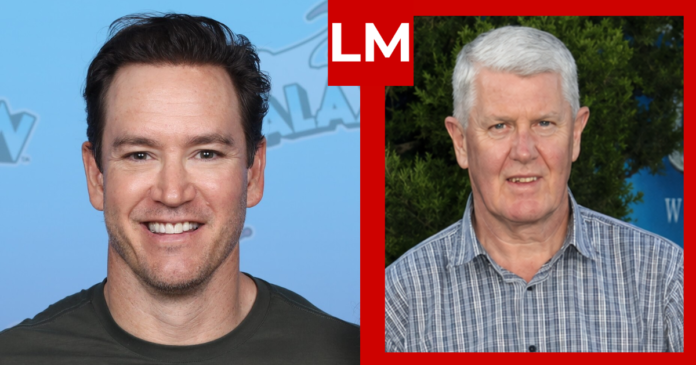

While Mark-Paul Gosselaar became a household name for his role as Zack Morris in Saved by the Bell, hans gosselaar’s story remained largely untold. Born in the Netherlands with German and Dutch Jewish heritage, Hans carried the weight of family history, including great-grandparents killed in the Holocaust. His decision to immigrate to America and build a stable life as a plant supervisor at Anheuser-Busch created the foundation for his family’s future. This article explores mark-paul gosselaar’s father’s journey, examining how Mark-Paul Gosselaar’s parents shaped his path to stardom through their multicultural background and unwavering support.
Early Life and Heritage of Hans Gosselaar
Born in the Netherlands
Hans Gosselaar entered the world in the Netherlands, a country with centuries of religious tolerance that attracted Jewish families seeking freedom from persecution. The Gosselaar surname itself traces back through Dutch history, rooted in a lineage that flourished in Amsterdam before migrating to Rotterdam and eventually settling in The Hague.
The family’s documented history extends to Nathan Jacob Gosselaar, born in 1705 in Amsterdam, who married Blommetje Machial in the early 1700s. This ancestral line thrived for generations after the Netherlands established religious tolerance as a cornerstone of its constitution in the late 1500s, creating a haven for Protestants and Jews alike.
German and Dutch Jewish Roots
Mark-paul gosselaar’s father carries a heritage that blends German and Dutch Jewish ancestry. This multicultural background formed an integral part of hans gosselaar’s identity, representing generations of Jewish families who made the Netherlands their home.
The Gosselaar family’s Dutch Jewish roots ran deep by the time Hartog “Herman” Gosselaar was born in The Hague on June 28, 1875, to Nathan Gosselaar and Vrouwtje Hijman de Jong. Hartog married Hester van Emden, born March 2, 1878, also in The Hague. By the 1940s, they were among roughly 116,000 Dutch Jews living in the Netherlands, with an additional 24,000 German Jews who had fled Nazi persecution in Germany.
The Holocaust’s Impact on the Gosselaar Family
The Nazi invasion of the Netherlands on May 10, 1940, placed approximately 140,000 Jews within the country in immediate danger. Hans Gosselaar’s great-grandparents, Hartog and Hester, faced systematic persecution as the Nazis used civil registration records that identified the faith of Dutch citizens to target Jewish families.
Starting in 1941, the Gosselaars were barred from public transit, parks, theaters, swimming pools, libraries, museums, and other public spaces. They were forced to wear Star of David badges marked with “Jood” (Dutch for “Jew”), declare their Jewish roots to authorities, and carry identification cards stamped with a large “J” at all times.
The deportations began in 1942, with notices falsely claiming Jews were being taken to labor camps or resettled in the east. By 1943, nearly all Jews from the Netherlands were transported by rail to the killing center at Sobibór in Nazi-occupied Poland. Hartog “Herman” Gosselaar and Hester van Emden died at the Sobibor extermination camp on September 4, 1943. Over 250,000 men, women, and children were murdered at Sobibór in just a few years.
This family tragedy shaped the Gosselaar lineage in ways that extended beyond mark-paul gosselaar’s father. The loss of great-grandparents in such circumstances created ripples through subsequent generations, affecting family structure and the support systems typically available to descendants of Holocaust survivors.
Immigration to America and Building a New Life
Moving to California
The Gosselaar family’s relocation from the Netherlands to the United States marked a pivotal moment in hans gosselaar’s life. Hans and Paula made the decision to leave Europe and settle in California, joining a wave of Dutch immigrants who chose the West Coast as their new home. The couple relocated just before their son Mark-Paul was born in March 1974.
Hans settled his family in Panorama City, Los Angeles, where mark-paul gosselaar entered the world. The San Fernando Valley region became their home base, offering opportunities in a state that housed more immigrants than any other in America. This geographic choice placed the family in close proximity to the entertainment industry, though neither Hans nor Paula worked in that field.
The third wave of Dutch migration to America, which occurred between 1938 and 1962, brought many families like the Gosselaars to California. This period saw Eurasians from the former Dutch East Indies settling primarily in California, creating a community of immigrants who shared similar backgrounds. Paula herself had roots in the Dutch East Indies, having been born in what was then called that region, now Indonesia.
Career at Anheuser-Busch
Hans secured a position as a plant supervisor at Anheuser-Busch, one of the most recognized brewery companies in the United States. This role represented a significant achievement for an immigrant building a new life in a foreign country. The position required oversight of plant operations, managing production processes, and ensuring quality standards at the facility.
Working as a plant supervisor at such a renowned company demonstrated hans gosselaar’s ability to establish himself professionally outside the entertainment industry. The stability of this career provided the financial foundation his family needed. Meanwhile, Paula worked as a flight attendant for KLM Royal Dutch Airlines, bringing her own income to support the household.
Both parents maintained careers that demanded responsibility and discipline, consequently shaping the values they instilled in their children.
Establishing Stability in a New Country
The transition from the Netherlands to America presented both challenges and opportunities for mark-paul gosselaar’s father. Building a life in a different cultural setting required adaptability, particularly for someone carrying the weight of family history marked by the Holocaust. The settlement process demanded hard work, and both Hans and Paula committed themselves to establishing roots in their adopted country.
Under those circumstances, the couple emphasized the importance of a strong work ethic in their household. Both immigrants who worked diligently to build their American lives, they expected their children to exhibit the same dedication. Their common European background created a bond that helped them face the adjustments required in a new nation.
The foundation Hans laid through his stable career and commitment to his family created the environment that would eventually support mark-paul gosselaar’s path into acting. His decision to emigrate and establish himself in California set the stage for opportunities his children would later pursue. The San Fernando Valley, where the family settled, offered access to schools, communities, and in reality, proximity to the entertainment industry that would shape his son’s future.
Marriage to Paula and Raising a Multicultural Family
Meeting Paula van den Brink
Paula van den Brink worked as a flight attendant for KLM Royal Dutch Airlines when she crossed paths with hans gosselaar. The meeting brought together two individuals from vastly different backgrounds, yet both carried European heritage that connected them despite their divergent upbringing. Hans, already established as a plant supervisor at Anheuser-Busch, found in Paula someone who understood the immigrant experience and the complexities of maintaining cultural identity in a new land.
Their shared European roots created common ground, even as their specific heritages differed significantly. Paula hailed from Bali, Indonesia, carrying Indonesian and Dutch descent that reflected the colonial history of the Dutch East Indies. This background, coupled with Hans’s German and Dutch Jewish heritage, set the stage for a household that would blend multiple cultural traditions.
Mark-Paul Gosselaar Parents: A Blend of Cultures
The marriage of mark-paul gosselaar’s father to Paula created an unusual cultural fusion within their household. Hans brought his German and Dutch Jewish ancestry, marked by the trauma of Holocaust losses, while Paula contributed her Indonesian and Dutch heritage from Bali. This combination produced a multicultural environment that influenced how their children would perceive identity and belonging.
The diverse heritage of mark-paul gosselaar parents shaped the family atmosphere in subtle but significant ways. Traditions from the Netherlands mixed with Indonesian customs, creating a unique household culture. This blend extended beyond mere cultural practices, affecting language use, food choices, and perspectives on family structure. The couple’s ability to integrate these different backgrounds demonstrated their commitment to honoring both sides of their children’s heritage.
Four Children and Family Values
Hans and Paula raised four children together, with Mark-Paul being the youngest of the siblings. The household emphasized emotional support and verbal affirmation. Mark-Paul later recalled hearing “I love you” every day from both parents, a testament to the nurturing environment hans gosselaar helped create. This consistent expression of affection became a cornerstone of how the children experienced family life.
The values instilled in their children reflected both parents’ work ethic and dedication. Both Hans and Paula maintained demanding careers while raising four children, balancing professional responsibilities with family commitments. Their example taught the children about perseverance and the importance of pursuing goals while maintaining strong family bonds.
Divorce and Co-Parenting
The marriage eventually faced challenges that led to separation, though the arrangement proved unconventional. Mark-Paul later described the situation as “really odd,” noting that his parents separated but never officially divorced as far as he knew. Hans maintained an apartment elsewhere, and his presence at the family home became unpredictable. Mark-Paul stayed at his father’s apartment occasionally, experiencing the reality of a family restructured by separation.
Hans later began a relationship with another woman, whom Mark-Paul came to consider “part of my family”. This woman remained with mark-paul gosselaar’s dad through his final years, providing care until he passed away from an undisclosed illness in 2020. The arrangement, while unconventional, allowed Hans to maintain connections with his children while building a new chapter in his personal life.
Supporting Mark-Paul Gosselaar’s Acting Career
Early Recognition of Talent
A print model friend of Paula’s noticed something special in young Mark-Paul that would redirect the family’s trajectory. This friend, recognizing potential in the child, connected him with an agent who could launch his career. Mark-Paul began modeling at age five, stepping into an industry that demanded professionalism far beyond his years. His early work included commercials for Cookie Crisp cereal and Smurf merchandise, small roles that introduced him to the entertainment business.
Paula assumed the role of manager during these formative years, handling the business side of her son’s budding career. She scheduled auditions, negotiated contracts, and made decisions about which opportunities to pursue. However, this arrangement raised questions about boundaries between parental duty and professional management. Mark-Paul later reflected on this dynamic, questioning whether driving children to sets and auditions qualified someone as a manager, adding that parents shouldn’t be compensated “for just being a parent”.
Driving to Auditions and Managing Schedules
Driving held particular importance in the Gosselaar household, shaping how mark-paul gosselaar’s father prepared his son for independence. Hans started teaching Mark-Paul to drive at a young age, recognizing that transportation would become essential as auditions increased. The lessons extended beyond basic vehicle operation to include confidence-building exercises that tested his son’s adaptability under pressure.
The most memorable lesson occurred when Mark-Paul received his driver’s license and needed to attend auditions in New York City. Hans drove his son’s Toyota Celica, a car Mark-Paul still owns, into the heart of Manhattan. In the middle of the city, mark-paul gosselaar’s dad put the car in neutral, exited the vehicle, and placed his son in the driver’s seat with a simple directive: “all right, you’re driving in New York. If you can drive here, you can drive anywhere”. This sink-or-swim approach reflected Hans’s belief in preparing his son for real-world challenges rather than sheltering him from difficulty.
Providing Emotional and Financial Support
The stable income hans gosselaar earned at Anheuser-Busch created financial security that allowed Mark-Paul to pursue acting without the desperation that plagued many child actors. Both parents worked demanding jobs while supporting their children’s ambitions, modeling the work ethic they expected in return.
Staying Grounded During Fame
When Mark-Paul reached nineteen, he made the difficult decision to fire Paula as his manager, concerned he was missing opportunities. The family navigated this professional separation while maintaining personal bonds, demonstrating the complexity of mixing family relationships with business arrangements in the entertainment industry.
Hans Gosselaar’s Life Away from the Spotlight
Living a Private Life
Hans chose a path that diverged sharply from the Hollywood lifestyle surrounding his son’s career. He never attended major entertainment events, avoided media attention, and maintained no social media presence. This deliberate choice reflected his personality and values rather than discomfort with mark-paul gosselaar’s success. He focused on what mattered to him: family gatherings, quiet evenings at home, and maintaining the routines that brought him stability.
His introverted nature and commitment to personal values earned respect from those who knew him. Conversely, many parents of celebrities seek their own moment in the spotlight, but mark-paul gosselaar’s dad remained dedicated to the simple pleasures of everyday life. He preferred traditional meals, peaceful moments, and the preservation of cultural traditions over publicity or recognition.
Net Worth and Financial Stability
Hans accumulated an estimated net worth between $200,000 and $400,000 through decades of steady employment. This financial standing reflected a lifetime of careful planning rather than dramatic wealth accumulation. His long tenure at Anheuser-Busch provided steady income, healthcare coverage, retirement benefits, and the security needed to raise four children in California.
His approach emphasized saving money, avoiding debt, and providing for his family through measured stability. These habits, developed over years of industrial employment, demonstrated his commitment to creating a secure foundation for the next generation.
Relationship with Grandchildren
Through mark-paul gosselaar, Hans became grandfather to Michael Charles, Ava Lorenn, Dekker Edward, and Lachlyn Hope. He enjoyed spending time with them, celebrating their milestones and encouraging their individuality. His grandchildren carry a rich blend of cultures: Dutch, Jewish, and Indonesian heritage that connects them to his journey from Europe to America.
Character and Personal Values
Those who knew mark-paul gosselaar’s father described him as a man of deep integrity, possessing honesty, compassion, and humility. He believed personal character defined a person far more than outward achievements, living this philosophy through quiet guidance and consistent actions. His calm, dependable nature created a nurturing environment that shaped his children’s lives.
Conclusion
Hans Gosselaar’s journey from the Netherlands to California demonstrates how quiet determination shapes extraordinary outcomes. His stable career at Anheuser-Busch, coupled with the multicultural values he and Paula instilled in their children, created the foundation for Mark-Paul’s success. While his son achieved fame as Zack Morris, Hans remained committed to privacy, financial stability, and family bonds above recognition.
His life serves as a reminder that behind every successful person stands someone who provided support without seeking applause. Hans carried the weight of family history marked by Holocaust tragedy, yet built a legacy defined by resilience, integrity, and unwavering dedication to those he loved.
Also Read: Patricia Carrey Fournier
FAQs
Q1. What is Hans Gosselaar’s ethnic background?
Hans Gosselaar was born in the Netherlands and carries German and Dutch Jewish heritage. His ancestry traces back through generations of Jewish families who settled in Amsterdam, Rotterdam, and The Hague, with documented lineage extending to the early 1700s.
Q2. How did the Holocaust affect Hans Gosselaar’s family?
Hans Gosselaar’s great-grandparents, Hartog “Herman” Gosselaar and Hester van Emden, were killed at the Sobibor extermination camp on September 4, 1943, during the Nazi occupation of the Netherlands. This tragic loss shaped the family’s history and affected subsequent generations.
Q3. What was Hans Gosselaar’s profession in America?
Hans worked as a plant supervisor at Anheuser-Busch after immigrating to California. This stable career position provided financial security for his family and demonstrated his ability to establish himself professionally in his adopted country.
Q4. How did Hans Gosselaar support Mark-Paul’s acting career?
Hans provided both emotional and financial support for his son’s career. He taught Mark-Paul to drive at a young age to ensure independence for auditions, including a memorable lesson where he had his son drive through New York City. His stable income from Anheuser-Busch allowed Mark-Paul to pursue acting without financial desperation.
Q5. What was Hans Gosselaar’s estimated net worth?
Hans Gosselaar accumulated an estimated net worth between $200,000 and $400,000 through decades of steady employment at Anheuser-Busch. His financial approach emphasized saving money, avoiding debt, and providing security for his family rather than pursuing dramatic wealth accumulation.