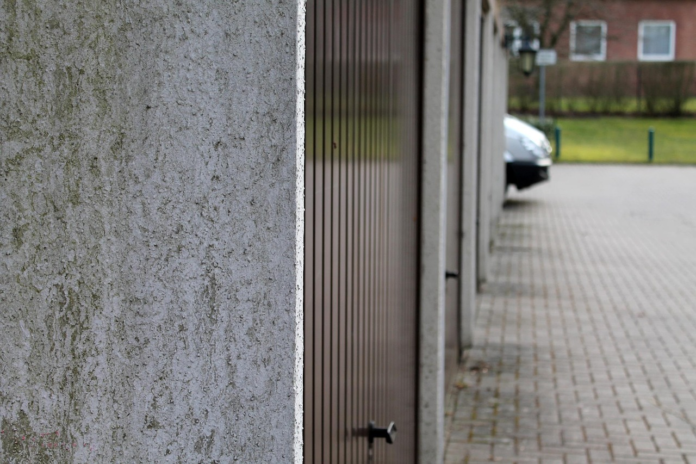

Garage doors do much more than open and close. Because they take up a large share of a home’s front exterior, they strongly influence curb appeal. A faded, dented, or outdated garage door can make the whole property look tired, while an updated one can refresh the exterior without the expense of a major renovation. Whether the goal is better appearance, smoother operation, or both, a garage door upgrade can change how a home looks before anyone reaches the front door.
Why First Impressions Matter
From the street, the garage door is often one of the first features people notice. When it looks clean, modern, and coordinated with the house, the property feels more polished and welcoming. When it appears worn, damaged, or mismatched, even an otherwise attractive home can lose some visual appeal.
That visibility is why garage door upgrades often create such a noticeable improvement. Compared with repainting an entire exterior or reworking landscaping, replacing or refreshing the garage door can provide a quicker transformation in a highly visible spot. It is one of the most practical ways to improve curb appeal.
Sometimes a simple cosmetic update is not enough. If the door has major damage, poor insulation, or outdated construction, professional garage door installation services may be the better long-term solution for safety, performance, and proper fit.
Signs It Needs Replacing
Many homeowners can recognize when a garage door is nearing the end of its useful life. One obvious sign is visible damage. Large dents, rust, cracked panels, peeling paint, fading, and general weather wear all suggest years of exposure and use.
Noise is another clue. A door that screeches, rattles, bangs, or shakes regularly may have more than a minor maintenance issue. Some sounds can be fixed with lubrication or small repairs, but repeated clunking often points to aging parts or structural wear.
The way the door sits also matters. If it looks uneven, sags, or does not close properly within the frame, the issue affects both appearance and safety. Insulation is another consideration. If the garage becomes extremely hot in summer or very cold in winter, the current door may not be providing much temperature control. Even if it still works, an outdated design can make the whole house seem older than it is.
Style Choices That Work
Choosing the right garage door style does not have to be complicated. A few classic options work well for most homes, and the best choice usually depends on the property’s architecture.
Modern garage doors feature clean lines, minimal details, and simple window arrangements. They are a strong fit for newer homes or any exterior with a sleek, uncluttered design.
Carriage-style doors add warmth and character. Although they resemble old swing-out barn doors, they usually operate like standard overhead doors. They pair well with farmhouses, cottages, and traditional homes.
Classic paneled doors are among the most versatile options. They suit ranch homes, brick houses, and many suburban properties because they look familiar and balanced without overwhelming the rest of the exterior.
Windowed designs can also improve the appearance of a large garage door by making it feel less heavy. Windows help the front of the house appear lighter and can create pleasing symmetry, especially when they echo nearby trim or entry features. Whatever style you choose, it should visually connect with the front door, siding, trim, and overall design of the home.
Materials Made Simple
Garage door material affects more than appearance. It also influences cost, upkeep, durability, and performance in local weather.
Steel is one of the most common choices because it is durable, widely available, and usually budget-friendly. It works with many home styles and is often a dependable all-around option, though thinner steel can dent more easily.
Wood offers natural beauty and warmth that many homeowners love. It can give a home a more custom, upscale look. The tradeoff is maintenance. Wood generally needs more regular painting, staining, or sealing, and long-term weather exposure can wear it down.
Aluminum is lightweight and naturally rust-resistant, making it especially useful in humid or coastal climates. It also fits many modern designs, though it may dent more easily than steel.
Composite materials provide a useful middle ground. These doors can mimic real wood while requiring less maintenance. For homeowners who want style without constant upkeep, composite can be a smart option.
The best material depends on climate, budget, design preference, and how much maintenance you are willing to handle over time.
Color and Hardware Tips
Color plays a major role in how a garage door affects the home’s exterior. For a timeless look, many homeowners choose neutral shades such as white, black, gray, or beige, or they match the garage door to the trim. If the goal is to make the garage less dominant, selecting a color close to the siding often helps it blend in.
If you want the garage door to stand out in a more intentional way, matching its color to the front door or shutters can create a coordinated look. Rich shades like navy or deep green can be striking, but they should still fit the rest of the exterior.
Hardware may seem like a small detail, but it can significantly influence the final appearance. Decorative handles, strap hinges, and upgraded window inserts can make a simple door look more polished and customized. These accents are especially effective on carriage-style and traditional doors. For the best result, keep hardware finishes consistent with nearby exterior features such as lighting, house numbers, or mailbox accents.
Budget-Friendly Update Ideas
A full replacement is not always necessary. If the garage door is structurally sound and operates reliably, smaller upgrades can still make a noticeable difference.
A fresh coat of exterior paint is one of the simplest improvements. Swapping plain hardware for a decorative kit is another affordable way to add character. Replacing worn weatherstripping and bottom seals can improve both appearance and efficiency. Faux window panels may also help an older door feel more current.
Sometimes the biggest improvement comes from a thorough cleaning. Dirt, mildew, stains, and cobwebs can make a garage door look far worse than it really is.
The key is understanding when a minor update makes sense and when it only postpones a larger repair or replacement. If the door still functions well, cosmetic improvements may be a smart investment. If it is mechanically failing or heavily worn, surface fixes may not provide lasting value.