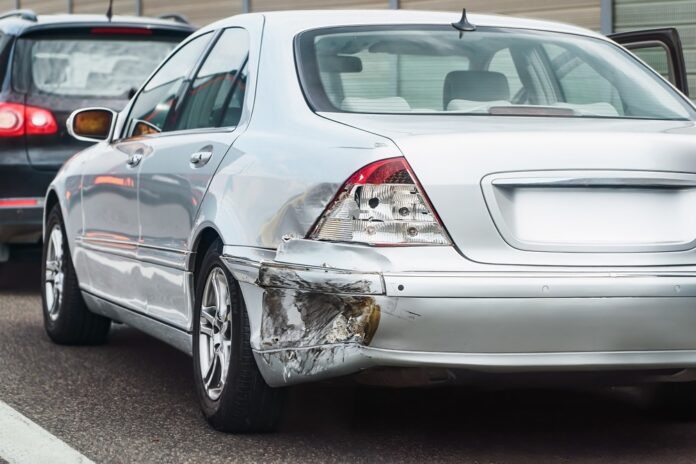

A car accident can change an ordinary day faster than anyone expects. One minute everything feels normal, and the next there are damaged vehicles, medical visits, insurance calls, and endless paperwork waiting to be handled.
As the questions begin to pile up, finding legal help after a car accident often becomes part of understanding what comes next. Compensation does not appear overnight because every claim follows a process with several important steps. Knowing how each stage works makes the road ahead feel less confusing. If you feel overwhelmed already, walking through the process one step at a time can make a real difference.
The Legal Process Begins Soon After the Accident
The legal process usually begins soon after the accident is reported. Medical care often comes first because health should never wait. After that, an accident report, photographs, and contact information from witnesses help create a record of what happened. For example, if two drivers remember the crash differently, photos taken at the scene and the official report can provide important details later. Small actions taken early often become valuable because they help explain the events clearly if questions come up during the claim.
Building a Claim Takes More Than One Document
Collecting Evidence
A strong claim is built over time instead of all at once. Accident reports, vehicle photographs, witness statements, and repair records all help explain what happened. Suppose a traffic camera captured the collision while another driver said something different. That recording could support the facts more clearly than memory alone. Every document adds another piece to the overall picture, making it easier to understand how the accident happened and what damage it caused.
Recording the Impact of the Accident
Evidence is not limited to the crash itself. Medical records, treatment history, lost income records, and repair bills also help explain how the accident affected daily life. For example, someone recovering from a broken leg may miss several weeks of work while also attending physical therapy appointments. Those records show the financial and physical impact connected to the accident. Keeping organized paperwork helps present the situation more clearly throughout the process.
Insurance Discussions Are Part of the Process
Insurance companies review the available information before responding to a claim. They may compare medical records, repair estimates, photographs, and accident reports before deciding what additional information is needed. Sometimes they ask for extra documents or clarification before discussions continue. Every case moves at its own pace because each accident has different facts. A simple collision with minor vehicle damage may move more quickly than a crash involving serious injuries and multiple drivers.
Compensation Depends on the Facts of the Case
Compensation is different in every claim because accidents affect people in different ways. One person may only need vehicle repairs, while another may face medical treatment, time away from work, and other financial losses. Records help explain these differences during the claim process.
Compensation may relate to:
- Medical expenses
- Lost wages
- Property damage
- Other documented financial losses
For example, two similar accidents may still lead to different outcomes if one driver required months of treatment while the other recovered within a few days. The available evidence helps explain those differences.
Some Cases Settle While Others Continue Further
Reaching a Settlement
Some claims end with a settlement after both sides agree on the available evidence and the losses connected to the accident. Reaching an agreement can resolve the claim without taking additional legal steps. Every settlement depends on the specific facts presented during the discussions.
Moving Beyond Settlement Discussions
Not every claim reaches an agreement. Sometimes responsibility for the accident remains disputed, or the value of the claim is still being discussed. In those situations, additional legal steps may become part of the process before the matter is resolved. Seeking legal help after a car accident may help people better understand how each stage fits into the overall claim process without assuming every case will follow the same path.
Patience Often Becomes Part of the Journey
No two claims move at the same speed. Medical recovery, gathering records, insurance reviews, and ongoing discussions can all affect the timeline. A longer process does not automatically mean something has gone wrong. Every stage builds on the information collected before it, and that takes time. Staying organized and keeping documents together often makes it easier to respond if more information is requested.
Understanding the Process Makes It Easier to Follow
Moving from a crash to compensation is a series of connected steps instead of one single event. Every document, conversation, and piece of evidence helps shape the direction of the claim. Some cases move toward settlement, while others continue through additional legal stages because the facts require further review.
Understanding how the process works helps people follow each stage with realistic expectations and a clearer picture of what may happen next.