
Key Takeaways
- Understand and anticipate specific urban cycling hazards.
- Maximize your visibility and choose the optimal road position.
- Adopt defensive riding habits and remain alert at all times.
- Commit to routine bicycle maintenance for reliability and safety.
- Prioritize route planning to minimize exposure to risky conditions.
- Get involved with local cycling communities and with updates on infrastructure.
Urban cycling offers countless advantages, from easing your daily commute to fostering an active, healthy lifestyle. However, riding through crowded city streets comes with unique risks that every cyclist must recognize and address. By learning practical safety strategies and relying on professional resources, such as Orlando bike accident attorneys, you can better protect yourself and fully enjoy all that urban cycling has to offer.
City riding demands heightened awareness and deliberate decision-making. Streets filled with traffic, pedestrians, and unpredictable hazards test even experienced cyclists. Mastering safe cycling practices and understanding local laws can make city cycling not only safer but also more convenient and enjoyable.
Understanding Urban Cycling Risks
Unlike suburban or rural biking, urban environments introduce distinct hazards that have contributed to a growing concern for cyclist safety in major metropolitan areas. Among the most significant dangers are:
- Dooring: Collisions caused when a parked car’s door opens into your path.
- Right hook incidents: Vehicles making right turns without seeing or yielding to cyclists beside them.
- Left cross collisions: Oncoming vehicles turning left across your path.
- Distracted driving: Drivers whose attention is diverted by mobile devices or other in-car activities.
- Substandard cycling infrastructure: Bike lanes that are too narrow, poorly marked, or damaged, leading to heightened danger.
Every urban cyclist should remain aware of these challenges, as identifying potential risks early is crucial for prevention. For broader data and reporting on national cycling trends and safety measures, refer to The New York Times’ coverage of cycling accidents.
Enhancing Visibility and Positioning
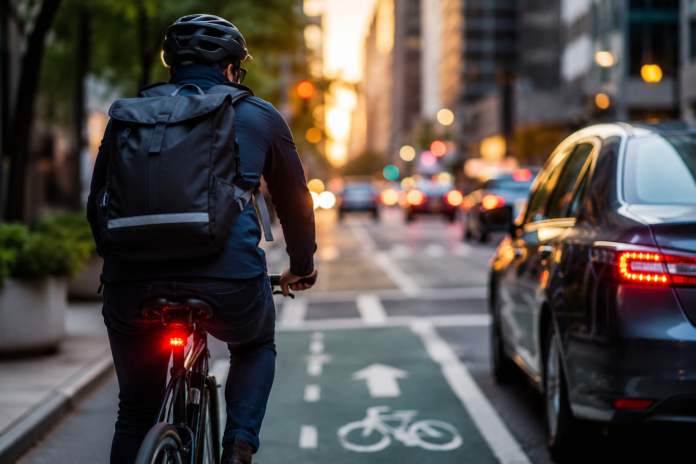
Being visible is one of the most effective ways to prevent accidents in city traffic. Always use front and rear lights, ideally those that flash and are visible even in daylight. Reflective or fluorescent clothing further improves your visibility, especially in low-light conditions or when riding in inclement weather.
Position yourself confidently in the lane. Do not ride too close to parked vehicles, which helps you steer clear of the dangerous “door zone.” By taking a prominent position on the road, sometimes even occupying an entire lane, you discourage motorists from attempting unsafe passes and increase the likelihood that you will be noticed by drivers turning at intersections.
Defensive Riding Techniques
Adopting defensive cycling practices can help you anticipate and evade many common urban hazards. Make eye contact with motorists at junctions to confirm you are seen. Clearly signal all turns and lane changes well in advance. Stay alert for hazards such as deteriorating pavement, puddles masking potholes, and debris that might be difficult to spot until you are too close.
As tempting as it may be to ride on the sidewalk, urban cycling experts consistently advise against it. Sidewalks are primarily for pedestrians, and mixing speeds with walkers introduces new dangers. Additionally, vehicles at driveways and intersections are less likely to notice fast-moving cyclists on sidewalks.
Regular Bicycle Maintenance
A reliable bicycle is critical for safe cycling in busy settings. Inspect your tires regularly for proper inflation and signs of wear. Brakes should provide consistent, effective stopping power; even minor malfunctions can be disastrous in fast-moving traffic. Keep your chain and gears clean and lubricated for dependable shifting and power delivery.
Lights and reflectors must always be functional, and it is wise to periodically check all bolts and moving parts to ensure nothing has loosened over time. Investing a few minutes each week on maintenance can spare you major issues down the road.
For additional guides and safety resources, visit Bicycling Magazine’s safety tips section, which provides detailed advice for cyclists of all experience levels.
Planning Safe Routes
Carefully planning your urban bike route increases both your safety and your enjoyment of the ride. Priority should be given to roads with dedicated bike lanes and lower traffic volumes whenever possible. Avoid areas with high commercial traffic and congested intersections, as they are more likely to lead to close calls or collisions.
Modern maps and smartphone apps specifically designed for cyclists let you compare route alternatives, identifying paths with protective infrastructure or traffic-calmed sections. A slightly longer ride on a low-stress street can be far more enjoyable and much less risky.
It’s also wise to familiarize yourself with public transportation options in your city that permit bikes, which can provide an alternative way home if weather or mechanical issues arise unexpectedly. Having backup plans and knowing about bike-share programs or repair stands positioned throughout the city can further enhance your sense of preparedness and encourage regular cycling, even when conditions change suddenly. Adjusting your route based on current traffic reports or construction updates, using navigation apps, can also reduce stress and keep you out of harm’s way.
Staying Informed and Engaged
Becoming part of your local cycling community keeps you updated on infrastructure changes and advocacy efforts that can improve safety citywide. Recently, for example, Philadelphia implemented insulated bike lanes with modular plastic curbs along 13th Street to provide a protective buffer for cyclists. Such projects result from ongoing engagement between residents, advocacy groups, and city officials, helping to drive positive change for all urban riders.
Many cities also offer free or low-cost urban cycling skills classes and safety workshops. Participating in these events can increase your confidence, connect you with other cyclists, and expose you to the latest safety technology and tools. The growth of social media groups dedicated to urban cycling can also keep you in the loop on advocacy campaigns and infrastructure developments in your area. Sharing your experiences and concerns with local transportation authorities is another effective way to advocate for better, safer cycling infrastructure, fostering streets that are safer for everyone.
Conclusion
Riding in the city demands more than physical skill. It requires thorough preparation, awareness, and a proactive mindset. By understanding and reacting constructively to the unique risks faced in urban settings, cyclists can enjoy all the benefits of city life with confidence. Keeping safety front of mind, maintaining your bicycle, choosing smart routes, and connecting with experienced professionals and advocacy groups are all keys to mastering the urban ride.