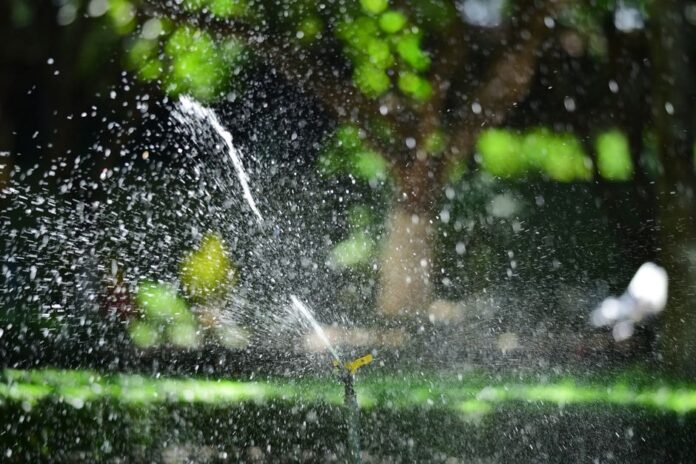

A healthy yard usually looks easy from the street. Green grass, happy plants, and no puddles where puddles shouldn’t be. But your sprinkler system can start misbehaving long before your lawn waves a white flag. Catching problems early saves water, helps your plants, and keeps you from discovering a surprise swamp next to the mailbox. The good news is you don’t need to be a lawn scientist to notice the warning signs. A few simple checks can tell you a lot.
Signs to notice
The first clues are often hiding in plain sight. You might see one patch of grass that looks extra green and mushy while another section looks crunchy and sad. That uneven look usually means water isn’t landing where it should. You may also hear strange hissing, notice sprinkler heads that don’t pop up fully, or see water spraying the sidewalk like it’s trying to wash the neighborhood.
If these signs keep showing up, it may be time to call an irrigation repair service to figure out what’s going wrong underground or inside the sprinkler lines. Another easy clue is your water bill. If it jumps and your family didn’t suddenly start taking hour-long showers, your yard system could be the sneaky culprit. Watch for watering patterns that feel random, because your sprinklers should water your lawn, not audition for a fountain show.
Why small leaks spread
A tiny irrigation problem has a bad habit of becoming a larger one. One clogged nozzle can leave a dry patch that stresses grass and makes it easier for weeds to move in. A hidden leak can slowly soak the soil, weaken plant roots, and create the kind of muddy area that makes every step feel like a gamble.
There’s also the money side. Water waste adds up faster than most people expect. Even a small drip repeated every day can push your bill higher over time. Then there’s curb appeal. A lawn with brown islands, yellowing shrubs, or slippery wet edges never looks quite right. Ignoring the issue usually means paying more later, whether that cost shows up in new plants, wasted water, or bigger repairs. Little sprinkler problems are a lot like little toothaches. They rarely improve because you hoped really hard.
Check your yard weekly
You don’t need a clipboard and a hard hat for this. Once a week, run each watering zone and simply walk around your yard. Look at every sprinkler head while it’s spraying. Is the water pattern even? Does the head pop up all the way? Is it misting into the air instead of spraying the ground? Fine mist often means pressure trouble or a damaged nozzle.
Next, check the soil around sprinkler heads and valves after the cycle ends. If one area stays soggy much longer than the rest, that’s worth noticing. Peek at planting beds too. Shrubs and flowers can block spray over time, especially during growing season. It helps to look at hard surfaces as well. If water is regularly hitting the driveway or fence, the angle may have shifted. These quick yard laps take only a few minutes, and they often catch problems before your grass starts sending distress signals in crispy brown.
Common trouble spots
Some sprinkler issues show up again and again. Broken heads are a classic. They get cracked by lawn mowers, stepped on, or slowly pushed out of position by soil movement. When that happens, water may gush, dribble, or shoot in one dramatic direction like a tiny yard cannon. Clogged nozzles are common too, especially if dirt sneaks inside or hard water leaves buildup.
Shifted spray angles cause more trouble than people realize. A head that turns slightly can start watering the patio instead of the flower bed. Underground pipe damage is harder to spot, but puddles, soft soil, or a sudden drop in pressure can hint at it. Timers can also create headaches. A wrong setting after a power outage or seasonal change may run zones too long or at the wrong time of day. Sometimes the problem isn’t broken hardware at all. It’s just a controller having a confusing little moment.
Fix or call help
Some irrigation issues are friendly enough for a basic DIY try. If a sprinkler head is tilted, you can often straighten it carefully. If a nozzle is dirty, a gentle cleaning may restore the spray pattern. Trimming back plants that block the water is another simple fix. Replacing a visibly damaged head can also be manageable if you’re comfortable turning off the system and matching the part correctly.
Other problems deserve backup. If water pressure suddenly changes across multiple zones, if you suspect a pipe leak underground, or if valves and wiring seem involved, calling a pro usually makes more sense. The same goes for repeated issues that come back after a quick fix. You don’t want to spend three weekends guessing while your lawn slowly turns into a patchwork quilt. A good rule is simple: if the problem is buried, electrical, or affecting the whole system, professional help is often the safer and cheaper path.
Keep systems running well
Prevention is less exciting than fixing a dramatic geyser, but it works better. Start by adjusting your watering schedule with the seasons. Your yard usually doesn’t need the same amount of water in cool weather as it does during peak summer heat. Watering early in the morning also helps reduce evaporation, so more water reaches the roots instead of disappearing into thin air.
It also helps to keep grass and plants trimmed around sprinkler heads so the spray stays clear. After storms, yard projects, or heavy foot traffic, take a quick look around to make sure heads haven’t shifted or broken. If you live where freezing weather happens, seasonal maintenance matters even more because leftover water in the lines can cause damage. A little attention goes a long way. Your irrigation system doesn’t need daily babysitting, but it does appreciate regular check-ins. Think of it as helping your yard stay hydrated without getting carried away.