
Key Takeaways
- Dental implants can replace missing teeth and support crowns, bridges, or dentures.
- Candidacy depends on oral health, bone support, medical history, and individual goals.
- Treatment may involve several stages, including preparation, surgery, healing, and final restoration.
- Healing time varies based on the procedure and the patient’s circumstances.
- Compare the complete treatment cost, including imaging, grafting, temporary teeth, and follow-up care.
- Good daily cleaning and regular dental visits are important after treatment.
- Discuss risks, alternatives, recovery time, and maintenance needs with a qualified dental professional.
- Choose a treatment plan that fits your health, schedule, budget, and long-term needs.
Replacing a missing tooth is about more than closing a visible gap. It can affect eating, speech, comfort, confidence, and how the surrounding teeth meet when you bite. For people researching dental implant treatment San Antonio, TX, the most useful starting point is a clear understanding of the full process, not just the final result. In a city as active and spread out as San Antonio, treatment decisions often need to fit work, family responsibilities, travel across Bexar County, and a realistic recovery schedule. Dental implants can be a durable tooth replacement option, but the right choice depends on your oral health, medical history, goals, budget, and willingness to maintain the restoration over time.
Why People Consider Dental Implants
A missing tooth may change the way you chew, make some words harder to pronounce, or cause you to avoid smiling. An implant may support a single crown, a bridge, or a full-arch denture. Unlike a removable denture, an implant is placed in the jawbone. Unlike a traditional bridge, an implant-supported crown generally does not rely on adjacent teeth for support. That does not automatically make implants the best answer. A bridge, a removable partial denture, a full denture, or leaving the space untreated may be considered, depending on the location of the missing tooth and the rest of the mouth. The best approach should balance function, appearance, long-term maintenance, and affordability.
How Dental Implants Work
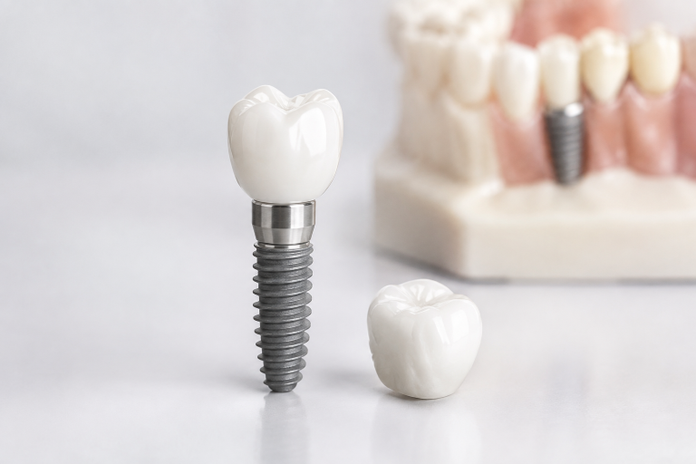
An implant restoration has three basic components:
- Implant body: A post surgically placed in the jawbone to replace a tooth root.
- Abutment: A connector attached to the implant.
- Restoration: The visible crown, bridge, or denture supported by the implant.
During healing, bone gradually bonds to the implant in a process called osseointegration. The FDA explains that dental implants support artificial teeth, such as crowns, bridges, and dentures, and emphasizes the importance of discussing benefits and risks with a dental provider.
Who May Be a Good Candidate?
Implant candidacy cannot be determined from a quick online checklist. A dental professional needs to evaluate the number and position of missing teeth, gum condition, remaining teeth, bite alignment, and the amount of healthy jawbone available for support.
Health details that matter
- Active gum disease or extensive decay may need treatment first.
- Bone loss may require grafting or may lead to another replacement option.
- Smoking and other tobacco use can interfere with healing.
- Diabetes, autoimmune conditions, medications, and previous dental procedures should be reviewed.
- Daily brushing and cleaning around the restoration are essential after treatment.
What Happens During the First Consultation?
A consultation is a planning appointment, not a promise that treatment will begin immediately. It commonly includes a review of your dental and medical history, an examination of teeth and gums, bite analysis, and X-rays or three-dimensional imaging when appropriate. You should also discuss alternatives, the estimated treatment sequence, possible temporary teeth, sedation options, risks, and payment expectations. Ask for a written treatment plan that identifies each anticipated procedure and separates known fees from costs that could arise if additional care becomes necessary.
The Main Stages of Treatment
Although every plan is individualized, implant treatment often follows a recognizable sequence:
- Assessment and diagnostic imaging.
- Preparation, which may include extraction, periodontal treatment, or bone grafting.
- Surgical implant placement.
- Healing while the implant integrates with bone.
- Placement of the abutment, if it was not placed earlier.
- Creation and fitting of the final crown, bridge, or denture.
- Follow-up visits to check comfort, bite, gum health, and cleaning technique.
The schedule can range from relatively streamlined to several months or longer. Healing needs, bone quality, the need for grafting, and the number of teeth being replaced can all affect timing.
Healing and Recovery
After placement, it is common to have temporary tenderness, swelling, bruising, and a short period of modified eating. Your dental team may recommend softer foods while the surgical area settles. Follow written aftercare instructions closely, take medicines only as directed, and keep scheduled follow-up appointments. Contact the provider promptly if pain worsens rather than improves, swelling becomes severe, fever develops, drainage appears, or the implant feels loose. These symptoms need professional evaluation rather than home treatment.
Health Factors and Possible Risks
Like other surgical procedures, implant placement has possible complications. These can include infection, delayed healing, nerve irritation, injury to nearby teeth or tissues, bite problems, gum inflammation around the implant, or implant loosening. Good planning reduces risk, but no procedure can guarantee a particular outcome. Share a complete list of diagnoses, prescription medicines, over-the-counter medicines, supplements, allergies, and prior surgeries. This information helps the dental team coordinate care and identify concerns that may affect surgery or recovery.
Cost Questions and Financial Planning
There is no single reliable price for dental implants because treatment may include more than the implant itself. Your estimate may involve imaging, extractions, grafting, surgical placement, sedation, a temporary tooth, the abutment, the final restoration, and follow-up care. Ask whether the estimate includes every planned stage. Also ask about insurance limits, financing terms, future maintenance, and the likelihood of needing to replace a crown, bridge, or denture over time. A lower initial quote may not represent the complete cost of care.
Daily Care After Treatment
Implants do not develop cavities, but the surrounding gums and bone can still become inflamed or infected. Long-term care includes brushing twice daily with a soft toothbrush, cleaning between teeth and around the implant as instructed, and attending regular dental examinations. The healing process can take several months while the jawbone fuses to the implant, and regular care remains important after the final restoration is in place. Report bleeding, swelling, discomfort, or movement early.
Questions to Ask Before Saying Yes
- What tooth replacement options are suitable for me?
- Do I have gum disease, bone loss, or bite issues that need treatment first?
- Will I need an extraction, graft, or temporary tooth?
- What is the expected timeline for my specific case?
- What restoration will the implant support?
- Which risks relate to my health history?
- What does the written estimate include?
- How should I clean and maintain the implant?
- What happens if the implant or restoration develops a problem?
Final Thoughts
Dental implants require careful planning, healing, and ongoing attention. For San Antonio patients, the strongest decision is not necessarily the fastest or most advanced option. It is the option that fits your health, treatment goals, schedule, financial comfort, and ability to protect the result with consistent care. A complete evaluation can help identify factors such as bone and gum health, bite, medical history, and the condition of nearby teeth before treatment begins. Patients should also understand the expected timeline, maintenance requirements, potential risks, and follow-up appointments associated with each option. Taking time to review these details with a qualified dental professional can make the treatment plan easier to understand and help patients make a choice that fits their individual needs and long-term oral-health goals.