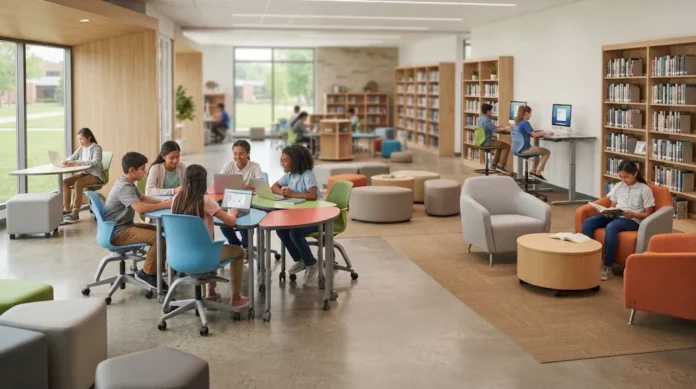

School library furniture plays a crucial role in shaping an environment where students feel encouraged to explore, read, and engage. The right selection can enhance both the functionality and aesthetics of a library, transforming it into an inspiring learning space. This guide from Office Line presents comprehensive insights into how educational institutions can choose the best library furniture to optimise learning and comfort.
Choosing the appropriate school library furniture is more than just selecting desks and chairs. It involves understanding the diverse needs of students, accommodating different learning styles, and fostering a welcoming atmosphere. The following sections explore these elements in greater detail.
Understanding the Importance of School Library Furniture
A well-furnished library does not merely store books but acts as a dynamic learning hub. Furniture impacts how students interact with resources and with each other. For instance, ergonomic chairs and spacious tables ensure comfort during extended reading or study periods, which can improve concentration and reduce fatigue.
Additionally, flexible furniture designs enable multiple configurations to support group discussions, individual study, or presentations. Such versatility is vital in modern educational settings that emphasise collaborative and active learning.
Key Considerations When Selecting Library Furniture
Durability and Quality
School libraries experience heavy use daily; therefore, furniture must be constructed from robust, long-lasting materials. Surfaces should resist scratches and stains, while structures must withstand frequent movement and physical impact without compromising safety.
Ergonomics
Providing ergonomic seating and workstations is crucial. Proper support helps maintain good posture, minimises discomfort, and supports students’ physical wellbeing. Adjustable chairs and tables accommodate various ages and sizes, ensuring inclusivity.
Aesthetic Appeal
The visual design of library furniture contributes to an inviting atmosphere. Colours, shapes, and finishes should create a warm, motivating environment conducive to learning. Contemporary styles can make libraries more attractive to students, encouraging them to spend more time exploring resources.
Functionality and Flexibility
Furniture must facilitate the diverse activities carried out within a library, including quiet reading, research, and group projects. Modular and lightweight pieces allow quick reorganisation of space, adapting to evolving educational demands easily.
Types of School Library Furniture
Seating Options
Comfortable chairs, lounge seating, and stools provide varied opportunities for students to choose how they prefer to engage with library materials. Soft seating areas create relaxed reading corners, while task chairs support focused study.
Tables and Desks
Available in multiple sizes and shapes, tables accommodate both individual and collaborative work. Adjustable-height desks can cater to students of different ages, promoting correct posture.
Storage Solutions
Bookshelves, magazine racks, and storage cabinets keep materials organised and accessible. Mobile trolleys can assist in managing collections and facilitating easy re-shelving.
Specialised Furniture
Computer stations, presentation areas with display desks, and study pods serve technology integration and modern learning practices. These elements support diverse curricular needs.
Designing the Library Layout
Effective arrangement of furniture is essential to maximise usable space and maintain smooth traffic flow. Design principles should consider natural lighting, power outlets for electronic devices, and areas dedicated to different activities.
Creating zones for quiet study, group collaboration, and recreational reading helps students to select an environment suited to their preferences and task requirements.
Health and Safety Compliance
Furniture must comply with relevant health and safety standards to protect users. Non-toxic materials, rounded edges, and sturdy construction prevent injuries and ensure a secure environment for children and staff alike.
Sustainability Considerations
Choosing eco-friendly materials and suppliers demonstrates institutional commitment to sustainability. Furniture made from recycled or responsibly sourced materials reduces environmental impact, an increasingly important consideration in education.
Maintenance and Longevity
Regular upkeep is necessary to prolong the lifespan of library furniture. Selecting pieces that are easy to clean and maintain reduces long-term costs and keeps the library looking inviting.
Budget Planning
Cost considerations are paramount. Balancing quality and affordability requires careful vendor selection and prioritisation of essential furniture types. Office Line provides competitive solutions to meet various budget requirements while maintaining high standards.
Technology Integration
Modern libraries increasingly incorporate digital resources. Furniture designed to accommodate computers, tablets, and charging stations is indispensable for supporting 21st-century learning.
Customisation and Branding
Furniture can be customised with school colours and logos, reinforcing institutional identity and pride among students and staff. Office Line assists in delivering tailored solutions to reflect each school’s unique character.
Benefits of Quality School Library Furniture
Investing in appropriate library furniture yields multiple benefits: enhanced student engagement, improved learning outcomes, and greater utilisation of library spaces. Well-designed environments support academic success and foster lifelong learning habits.
Conclusion
Creating inspiring learning spaces requires thoughtful selection of school library furniture that balances durability, ergonomics, aesthetics, and functionality. Educational institutions aiming to enrich their libraries can rely on experts like Office Line to provide innovative, high-quality solutions tailored to diverse needs.
By prioritising these factors, schools ensure their libraries remain vibrant centres for knowledge exploration, promoting academic growth and student wellbeing.