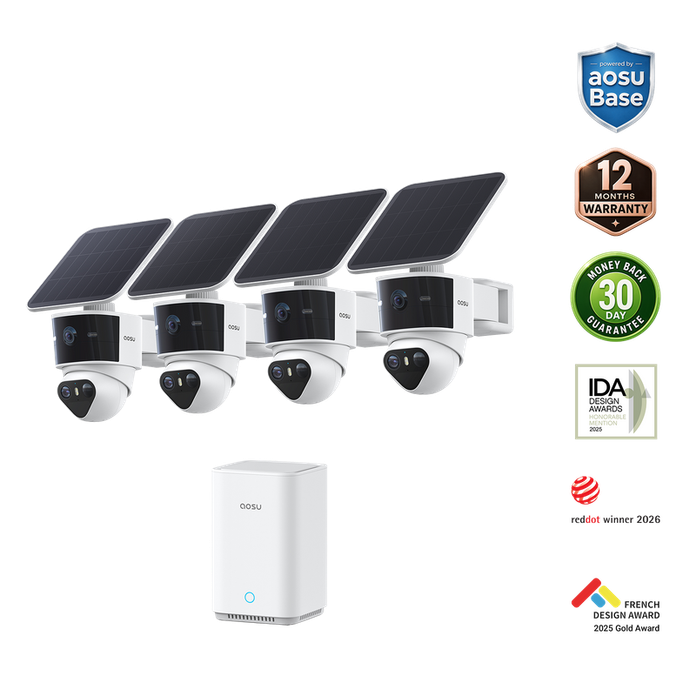

Buying a good outdoor camera is only half the equation. Plenty of homeowners install solid equipment and still end up with blind spots, glare-washed footage, or clips that miss the moment they actually needed to see. The problem usually isn’t the hardware, it’s a handful of installation and setup mistakes that are easy to make and just as easy to avoid once you know what to look for.
These mistakes show up across every kind of property, from a single-camera setup on a small house to a multi-camera layout covering a business exterior. The good news is that fixing them rarely requires new equipment, just a better approach to placement, angle, and configuration.
This article walks through the most frequent errors and the straightforward fixes that turn mediocre outdoor footage into genuinely useful coverage.
Mistake One: Mounting Cameras Too High or Too Low
There’s a common instinct to mount cameras as high as possible to avoid tampering, but going too high often sacrifices facial detail and license plate readability, which are usually the two things people most want captured. A camera mounted eight to ten feet up, angled slightly downward, tends to strike the best balance between tamper resistance and useful detail. Mounting too low, on the other hand, makes the camera an easy target and limits its field of view.
The right height also depends on what the camera is meant to capture. A camera watching a front door benefits from a lower, more direct angle to capture faces clearly, while one covering a wide driveway can sit higher since the goal there is tracking movement and vehicles rather than close facial detail.
Testing the Angle Before Finalizing
Many installation mistakes get locked in because people mount a camera once and never revisit the angle. Spending an extra ten minutes checking the live view from a phone app while making small adjustments catches problems immediately, rather than discovering weeks later that the camera has been capturing mostly sky or pavement.
Mistake Two: Ignoring Light Sources
Pointing a camera directly toward a streetlight, a neighbor’s porch light, or even the path of the rising or setting sun creates glare that can wash out everything else in frame. This is one of the most overlooked issues because the problem often only appears at specific times of day, meaning a camera can look fine during a daytime check but produce useless footage every evening at sunset.
Checking footage at multiple times throughout the day, especially during golden hour and after dark, reveals these issues before they become a pattern. Repositioning even a few degrees can often eliminate glare that would otherwise require moving the entire camera mount. Well-designed outdoor video surveillance cameras from AOSU account for this with adjustable mounts and lens hoods that reduce glare sensitivity from the start.
Infrared Reflection Problems
A related issue shows up at night, when infrared light bounces off nearby windows, reflective surfaces, or even spider webs directly in front of the lens, creating bright washed-out spots in night footage. This is easy to miss during setup since it’s only visible in the dark, so a quick nighttime review after installation catches problems that a daytime check simply won’t reveal.
Mistake Three: Overlooking Motion Zone Settings
Leaving motion detection zones at their default, full-frame setting is a common shortcut that leads to constant irrelevant alerts from passing cars, blowing leaves, or a neighbor’s cat. Most outdoor video surveillance cameras allow custom motion zones, and taking the time to draw zones around actual areas of concern, like a walkway or door, cuts down dramatically on notification noise.
This adjustment matters because notification fatigue is one of the biggest reasons people stop paying attention to their camera system altogether. A well-tuned motion zone means every alert that comes through is actually worth checking.
Mistake Four: Skipping Regular Lens Maintenance
Outdoor camera lenses accumulate dust, pollen, spider webs, and water spots over time, gradually degrading image quality in ways that are easy to miss if no one checks the footage regularly. A quick wipe-down every month or two, especially after storms or high-pollen periods, keeps image clarity consistent instead of slowly declining until someone notices footage has been blurry for weeks.
Small Fixes That Make a Big Difference
Most outdoor camera problems trace back to setup details rather than equipment quality. Getting the mounting height right, checking footage at different times of day for glare and infrared reflection, customizing motion zones, and keeping lenses clean all take relatively little time but have an outsized effect on how useful the footage actually is.
Running through these checks after any new installation, and revisiting them seasonally as sun angles and foliage change, keeps a system performing the way it was meant to from the very first day.