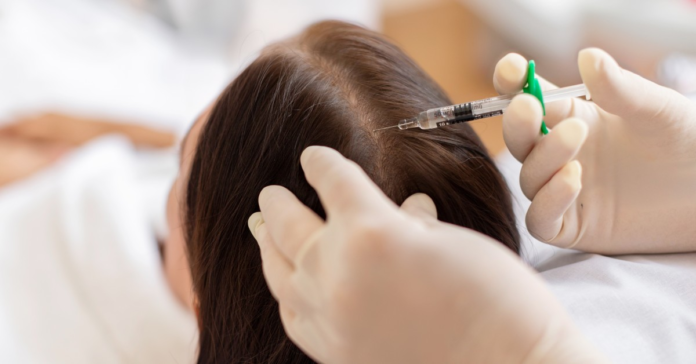

The science of hair restoration has moved beyond simply transposing follicles from one region of the scalp to another. Recent clinical advances are converging on strategies that restore the biology of the hair follicle, optimize the scalp microenvironment, and reduce long-term disease progression. This shift from mechanical replacement to biologically informed regeneration has implications for outcomes, durability, and patient experience.
Cellular therapies reshaping follicles
Stem cell–based approaches have progressed rapidly from bench to bedside. Autologous adipose-derived cells, dermal papilla cell enrichment, and hair follicle stem cell activation aim to reconstitute the signaling milieu necessary for hair cycling. Platelet-rich plasma (PRP), once considered niche, now has standardized protocols in many clinics, delivering concentrated growth factors that promote anagen entry and improve follicle density. More advanced modalities utilize extracellular vesicles and exosomes, which carry microRNAs and proteins that modulate inflammation and stimulate progenitor cells without introducing whole cells. Early-phase trials suggest improved hair thickness and reduced shedding with favorable safety signals, though investigators emphasize the need for larger randomized studies and longer follow-up to confirm durability.
Bioengineering and follicular neogenesis
Hair cloning and bioengineered follicular neogenesis remain among the most anticipated innovations. Techniques that expand dermal papilla cells in vitro and reassemble them with epithelial components seek to create new hair-forming units rather than relying solely on donor hair. Tissue engineering efforts involve three-dimensional scaffolds, controlled-release matrices for growth factors, and bioreactors designed to preserve the inductive properties of follicular cells. While commercialization hurdles remain—scaling production, ensuring consistent follicle orientation, and meeting regulatory standards—ongoing human trials are demonstrating the feasibility of grafting lab-grown follicles with promising hair density and cosmetic appearance.
Molecular targets and pharmacologic breakthroughs
Understanding the signaling pathways that govern hair cycle dynamics has yielded targeted therapies. Modulation of Wnt/β-catenin signaling, inhibitors of prostaglandin D2 synthase, and selective activation of growth-promoting pathways are all under clinical investigation. JAK inhibitors have illustrated the power of targeted pharmacology in immune-mediated hair loss such as alopecia areata, producing rapid regrowth in many patients. Translating that success to non-immune hair loss has proven complex, but combination regimens that pair topical small molecules with regenerative procedures are showing synergistic effects. Safety profiles and long-term monitoring remain paramount as systemic and topical agents evolve.
Optimizing the scalp microenvironment
Healthy follicles require an ecosystem: balanced microbiome, adequate vascularity, and reduced chronic inflammation. New diagnostic tools allow clinicians to map scalp physiology, analyze microbiota composition, and measure sebum production in a reproducible way. Interventions aimed at restoring scalp homeostasis—targeted cleansers, topical prebiotics, low-level light therapy to increase microcirculation, and microneedling to enhance transdermal delivery—are being integrated into regenerative protocols. Notably, clinical teams are tailoring pre-procedure scalp conditioning to improve graft survival and regenerative response, recognizing that procedural success is as dependent on the recipient site as it is on the graft material.
Surgical integration with regenerative medicine
Contemporary surgical approaches incorporate regenerative adjuncts to improve graft take and reduce donor-site morbidity. Combining follicular unit extraction (FUE) with immediate application of autologous biologics or scaffold materials can accelerate healing and potentially enhance terminal hair conversion. Clinics experimenting with combined protocols report better immediacy of visual improvement and earlier return of hair density. Patients benefit when surgical planning accounts for hairline design, donor reserve, and the planned regenerative pathway, allowing for staged treatments that maximize both aesthetic outcomes and follicular longevity. Some providers now describe hybrid solutions that merge transplantation, in-office regenerative injections, and maintenance pharmacotherapy to extend the life of native follicles.
Personalized care, diagnostics, and outcome measurement
Precision medicine principles are increasingly applied to scalp health. Genetic testing, hormonal assessment, and scalp imaging guide individualized treatment plans. Objective outcome measures—standardized photography, trichoscopy, and phototrichogram metrics—are essential for assessing efficacy across multi-modal regimens. Patient selection is critical: realistic expectations, understanding of disease etiology, and commitment to maintenance therapies determine long-term satisfaction. Shared decision-making that outlines the evidence, potential risks, and cost considerations is central to ethical practice.
Industry trends and ethical considerations
As innovations emerge, regulatory frameworks must balance patient access with rigorous evaluation. The commercialization of advanced therapies raises questions about standardization, quality control, and equitable availability. Evidence-based guidelines will be important to prevent premature adoption of unproven interventions. Transparent reporting of adverse events and pooled registries can accelerate understanding of long-term safety. Clinicians and researchers alike emphasize training and certification in novel techniques to ensure patient safety and consistent outcomes.
Looking forward
The future of follicular regeneration appears to be moving toward more integrated, biologically informed approaches to care. Rather than relying solely on traditional transplantation techniques, emerging strategies may combine cellular therapies, targeted treatments, scalp care, and other methods designed to support both hair restoration and the condition of existing follicles. As research develops, providers that carefully document outcomes and participate in well-designed clinical studies can help establish clearer standards for these evolving treatments. This broader approach may also include nutritional assessment, lifestyle considerations, and ongoing scalp maintenance as part of a comprehensive treatment plan. Brands such as Derive Hair Restoration reflect the growing interest in bringing multiple hair restoration strategies together, giving patients an opportunity to explore options that extend beyond a single procedure.