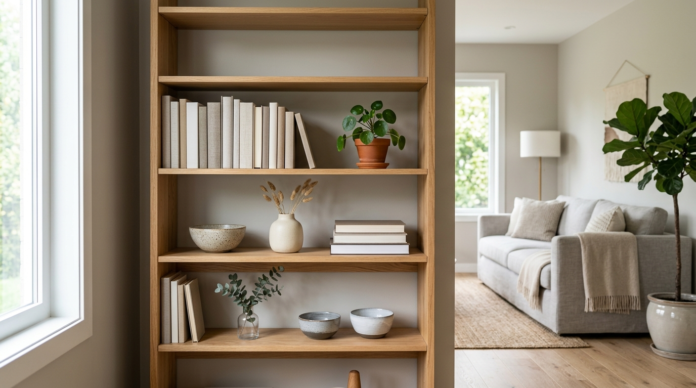

Key Highlights
- The right shelving unit should match your room size, floor space, and daily storage needs.
- Freestanding units work well when you want flexible placement and easy access.
- Wall options help free up floor space in smaller rooms.
- Corner shelves can turn unused edges into useful storage.
- Modular shelving units suit changing layouts because you can expand or reconfigure them.
- Material, weight capacity, and shelf height all affect long-term use.
Introduction
Choosing a shelving unit sounds simple until you start measuring your room and thinking about what actually needs to go on it. The right storage solution improves organisation without making the room feel crowded. Your ideal shelf type depends on room size, what you want to store, and whether you need open storage shelves for display, daily use, or both.
List of Shelving Units That Suit Different Rooms
Home shelving units come in a few useful types: freestanding pieces, wall-mounted designs, corner shelves, modular systems, and built-in styles. Each one suits different storage needs and room size limits.
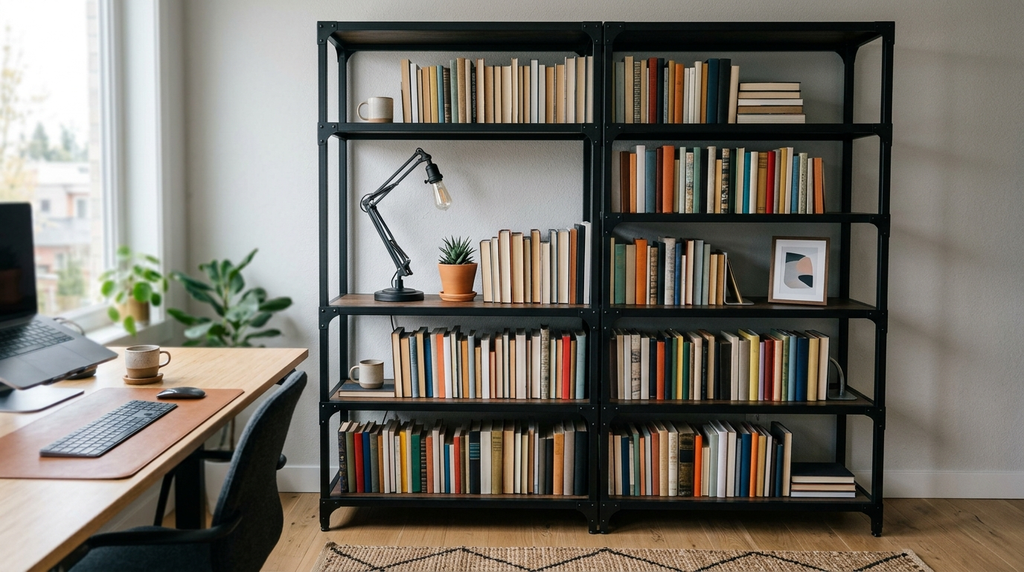
Example of shelving unit, a bookcase works well in a living room or workspace, while heavy-duty steel shelving may suit utility zones better. Open shelving is handy when you want quick access and a lighter look. Here is how each option fits real rooms.
1. Freestanding Shelving Units for Flexible Placement
Freestanding shelving units are a practical storage solution when you want choice over placement. You can move them between a living room, bedroom, or workspace without fixing anything to the wall. That makes them useful if your layout changes often.
In a living room, they give easy access to books, baskets, and decorative items. A wide unit can sit along one wall, while a narrow version can fit beside a sofa without taking too much floor space.
- Use lower shelves for everyday items.
- Keep upper tiers for vases or picture frames.
- Pick width based on walking space around the unit.
2. Wall-Mounted Shelving Units to Maximise Space
Wall-mounted shelves are a direct answer if you need more storage but cannot spare floor area. They use vertical space and can double as wall decor, especially in smaller rooms or narrow entryways.
Some wall shelving ideas keep the look simple with clean lines, while others use visible brackets as part of the design. Hanging shelves can hold light daily items and help the room feel open instead of crowded.
- Install shelves above a desk for workspace storage.
- Use them for artwork, small plants, or toiletries.
- Check studs and bracket support before placing anything heavy.
3. Corner Shelving Units for Compact Areas
Corners are often wasted, which is why corner shelves work so well in compact areas. They create extra space for storage shelves without blocking the main layout. This is helpful in small rooms where every bit of width matters.
A corner bookcase can hold books, baskets, or decor in living spaces, while a sturdier version can suit utility zones. If you are organising a garage-style area, simple steel shelving in a corner keeps items off the floor.
- Turn unused corners into storage.
- Keep bulky items on lower levels.
- Use upper shelves for lighter belongings.
4. Modular Shelving Units for Custom Configurations
If your storage needs change, modular shelving units are often the best option. They are designed to adapt, which makes them useful in kitchens, bedrooms, offices, and living areas. You can start small and add parts later.
This kind of system works well because adjustable shelf heights help you fit books, boxes, cookware, or decor. Some ranges also include additions, extra frames, castor wheels, and brackets, so reconfiguring is simple.
| Feature | How it helps |
| Adjustable shelf heights | Fits tall vases, books, or larger items more easily |
| Add-on shelves | Lets you expand storage as needs change |
| Castor wheels | Makes movement easier in flexible rooms |
| Crossbars and frames | Adds support for heavy items |
5. Built-In Shelving Units for Seamless Integration
Built-in shelving suits rooms where you want seamless integration rather than a piece that stands apart. It works especially well in alcoves or alongside cabinetry, where storage can look like part of the room itself.
In a living room, this style helps you balance storage and decor. You can leave open sections for books and picture frames, then use the surrounding area to keep the layout calm and tidy.
- Make use of awkward alcoves.
- Blend shelving with existing cabinetry.
- Mix display shelves with closed storage nearby.
Factors to Consider When Choosing a Shelving Unit
Once you know the main styles, the next step is judging fit. The right shelving unit is not only about looks. It needs the right weight capacity, durability, and functionality for the way you live.
A shelf type that works in one room may fail in another. Think about layout, what you plan to store, and whether your storage solution needs to change over time. These factors make the choice clearer.
Room Size and Layout
Start with measurements before you choose anything. Room size, wall width, and the path people take through the space matter more than a product photo. A unit that looks slim online can still disrupt the layout.
In small rooms, using vertical space often works better than choosing a deep shelf. For a living room, leave enough space around the unit so seating, doors, and walkways still feel comfortable.
- Measure width, height, and depth.
- Check door swings and walking routes.
- Use taller shelves in small rooms to save floor area.
Purpose and Storage Needs
Ask one simple question first: what will live on the shelves every day? That answer shapes the functionality you need. A unit for belongings you use daily should be easy to reach, while display storage can be lighter and more open.
For example, visible brackets and open shelves can work well for decorative items, books, or personal items. If you need to store boxes, pantry goods, or cookware, shelf spacing becomes more important.
- List what needs storing first.
- Separate daily-use items from display pieces.
- Match shelf spacing to the size of your belongings.
Materials and Durability
Material affects both appearance and durability. Wooden shelves give a warmer feel and suit living spaces, bedrooms, and offices. Metal shelving has a cleaner, more industrial look and can feel better suited to utility storage.
The most durable choice depends on the room and what you store. In places where moisture is a concern, such as laundry rooms, material choice matters more. Heavy-duty shelving is also a smarter pick for heavier loads.
- Choose wooden shelves for a softer room style.
- Use metal shelving for a sturdy, simple look.
- Consider moisture and weight requirements before buying.
Conclusion
Choosing the right shelving unit for your room can significantly enhance both functionality and aesthetics. By understanding the various types of shelving units available and considering key factors such as room size, purpose, and materials, you can make a well-informed decision that truly fits your needs. Whether you’re looking for flexible freestanding options, space-saving wall-mounted designs, or modular units that adapt to changing storage needs, there’s a perfect solution out there for you. Remember, each shelving unit not only serves a practical purpose but also contributes to the overall vibe of your space.
Frequently Asked Questions
What types of shelving units are most suitable for a home office?
For a home office, a bookcase or modular unit with adjustable shelving is usually a smart storage solution. It keeps your workspace organised while leaving room for files, books, and personal items. Open shelves also make everyday access easier.
Are modular shelving units worth it for changing storage needs?
Yes, modular shelving is useful when storage needs change. Because it is adjustable and expandable, you can update the layout instead of replacing the whole unit. That helps you keep a functional space and may reduce unnecessary disposal.
What is the average cost of a quality shelving unit in Australia?
Based on current Australian pricing in the compiled range, the average cost of a quality shelving unit sits roughly between $249 and $590, with some affordable smaller options below that. For homeowners, the right price depends on size, material, and modular features.