
Anyone who starts the day with a flat white and finishes it with a glass of shiraz has probably noticed what it does to their smile. The change is gradual, which is what makes it easy to miss until a photo catches the light the wrong way, and by then no amount of extra brushing seems to help.
The short answer is that a professional clean removes most of what coffee and red wine leaves on the surface of a tooth, which is one reason a six-monthly dental check-up and clean Sydney appointment does more for the look of your teeth than people expect. What it won’t do is change the natural colour of the tooth underneath. Understanding that difference saves a lot of disappointment.
Why coffee and red wine stain teeth
Both drinks contain chromogens, strongly pigmented compounds that cling to the tooth surface. Coffee and tea also carry tannins, which help those pigments stick. Red wine brings all three plus acid, and that combination is what makes wine the tougher of the two.
Enamel isn’t the smooth sheet it appears to be. It’s covered by a thin protein layer called the pellicle, and it has microscopic pores that pigment settles into. Acidic drinks soften the surface temporarily, which lets pigment sit deeper and hold on longer.
What a professional clean actually removes
Surface stain and hardened plaque
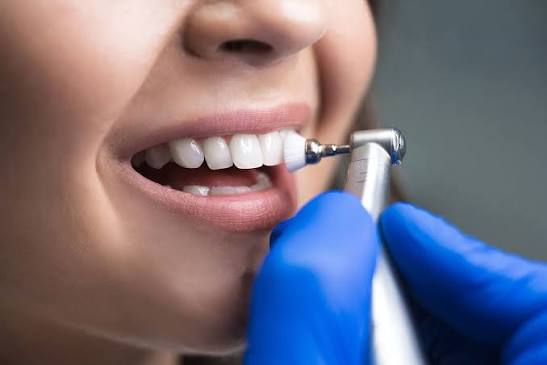
A scale and clean removes plaque, calculus and the stained pellicle layer sitting on top of the enamel. The polishing step that follows lifts the remaining film and leaves a smoother surface, which slows down how quickly new stain accumulates. Many clinics also use air polishing, a fine powder and water spray that is particularly effective on coffee, tea, wine and smoking stains, including the marks between teeth that a brush never reaches.
For most people, this is where the visible improvement comes from. Teeth look several shades cleaner, though what they have really returned to is their own natural shade.
What a clean won’t change
A clean works on the outside of the tooth. It doesn’t touch discolouration that comes from within, which includes:
- The natural yellowing of dentine as we age
- Staining from certain antibiotics taken in childhood
- Marks left by trauma to a tooth
- Fluorosis
It also won’t lighten fillings, crowns or veneers. Composite fillings in particular pick up coffee and wine stain over the years and don’t respond to polishing or whitening. If a front filling has gone darker than the tooth around it, replacing it is usually the fix.
Keeping teeth brighter between appointments
Small habits make a real difference to how fast the stain comes back:
- Rinse with water after coffee, tea or wine rather than letting it sit
- Use a straw for iced coffee and cold brew
- Wait 30 to 60 minutes after wine before brushing, since the enamel is briefly softened and brushing straight away is abrasive
- Have a glass of water alongside your wine
- Chew sugar-free gum to get saliva moving
- Brush twice daily and clean between your teeth, where stain builds up first
When whitening is the better conversation
If your teeth still look darker than you’d like after a clean, the stain probably isn’t on the surface. That’s when whitening becomes relevant, and it works more evenly on a freshly cleaned tooth than on one still carrying plaque and surface film.
Results vary between individuals, and whitening isn’t suitable for everyone, particularly people with significant sensitivity, untreated decay or gum disease. A dentist can look at what’s causing the discoloration before you spend money on a product that was never going to address it.
Frequently asked questions
How often should I clean if I drink a lot of coffee?
Six-monthly suits most people. Heavy coffee, tea or red wine drinkers, and smokers, are sometimes advised to come more often because stain and calculus build up faster.
Will whitening toothpaste do the same job?
Not quite. These pastes contain mild abrasives or polishing agents that can reduce light surface stain, but they can’t remove hardened calculus, and overuse of the more abrasive ones isn’t ideal for enamel.
Does a clean damage enamel?
No. Scaling removes deposits from the tooth surface rather than the enamel itself. Some people notice short-term sensitivity afterwards, particularly where gums have receded, and it typically settles within a few days.
Should I stop drinking coffee and wine altogether?
There’s no need. Rinsing with water, spacing drinks out rather than sipping over hours, and keeping up regular cleans manage most of the staining without giving anything up.