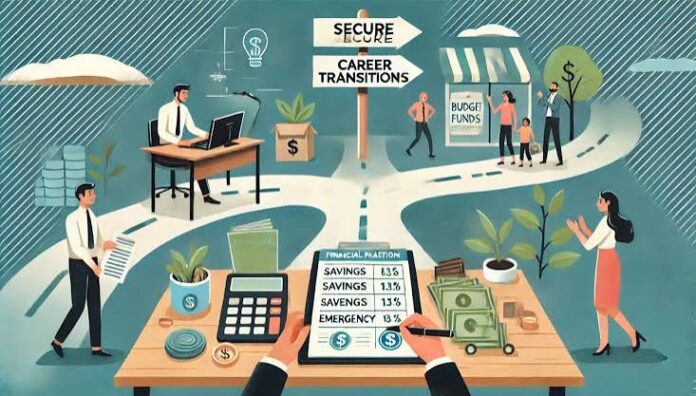

Work patterns have shifted dramatically over the past decade, leaving many professionals facing gaps between steady salaries and the reality of freelance gigs, contract roles, or sudden industry changes. In this environment, thoughtful access to credit can act as a temporary bridge rather than a permanent burden. One practical avenue many explore involves structured repayment products designed for medium-term needs. For instance, a graphic designer leaving an agency like Pentagram to launch an independent practice might tap credit for Adobe Creative Cloud fees and a MacBook Pro while courting clients on Upwork, with the outlay recouped through elevated project rates inside twelve months.
The Changing Landscape of Work and Finance
Remote opportunities and platform-based work have expanded choices for where and how people earn a living. At the same time, traditional nine-to-five paths have grown less predictable in sectors ranging from media to manufacturing. Borrowers increasingly look beyond emergency funds and instead consider credit lines that align with planned moves such as relocating for a new role or investing time in certification programs. These decisions require matching repayment timelines to expected income growth rather than immediate cash flow alone. Consider a software engineer laid off from a tech firm who uses a line of credit to fund a cross-country move for a hybrid position in renewable energy; the credit covers temporary housing and travel while awaiting the first paycheck.
Seasoned workers often describe the process as weighing short-term cash needs against projected earnings once new skills or locations take effect. Without that forward view, any form of borrowing risks becoming a drag. Clear goal setting helps separate productive uses from impulse spending. Teachers shifting into corporate L&D roles, for example, sometimes borrow to complete ATD certification programs that double their compensation within half a year.
Identifying When Borrowing Supports Long-Term Goals
Career transitions rarely happen overnight. A marketing specialist might need three months of focused study to qualify for a data analytics role, during which regular paycheques pause. Similarly, an experienced tradesperson could launch a solo consultancy but require initial outlays for equipment and marketing before client revenue begins. In both cases, a measured borrowing approach can cover living costs and setup expenses while the new income stream builds. Extending this, a nurse transitioning to healthcare administration might borrow to attend an MBA program part-time, using funds for tuition and childcare so the eventual promotion recoups the outlay within two years.
Realistic assessment starts with mapping expected monthly outflows against anticipated inflows after the transition completes. Professionals who succeed usually maintain a buffer for slower months and treat the borrowed amount as one component of a wider plan that includes networking, portfolio updates, and gradual client acquisition. This framing turns the decision into an investment in future earning power. Success stories include freelancers who borrowed for premium portfolio websites and LinkedIn premium subscriptions, resulting in steady contracts that exceeded original income levels.
Comparing Different Credit Products for Specific Needs
Options vary widely depending on the amount required, the length of time needed to repay, and the borrower’s existing credit profile. Fixed-term instalment arrangements often suit projects with a defined endpoint, such as completing a qualification or fitting out a home workspace for remote contracts. Interest rates and fees differ across providers, so reviewing total repayment cost remains essential before committing. For example, someone pursuing a coding bootcamp might choose an instalment loan over a credit card to avoid variable rates that could escalate during an extended job search.
Some borrowers explore personal loans precisely because the product offers predictable monthly figures over one to five years, allowing them to align payments with projected salary increases once the career step is complete. Others prefer revolving facilities when needs remain uncertain. The key lies in matching product features to the timeline of the transition rather than chasing the lowest headline rate in isolation. Additional depth comes from comparing secured versus unsecured options, where a home equity line might suit larger amounts for business startups but carries greater risk if income delays occur.
Building a Repayment Plan That Aligns With Income Fluctuations
Variable earnings demand flexible thinking around repayment. Successful users often create tiered budgets that account for high, medium, and low income months. During stronger periods they direct extra funds toward the balance, shortening the overall term and reducing total interest paid. In leaner stretches they fall back on the minimum while maintaining other essentials. A freelance writer, for instance, might allocate 30 percent of peak-month earnings to accelerate loan payoff while reserving buffers for months with fewer assignments.
Automation helps remove emotion from the process. Setting up standing orders on payday ensures consistency even when motivation dips. Periodic reviews, perhaps every quarter, allow adjustments if a side project begins generating revenue faster than anticipated. The goal is steady progress without creating new stress points that could undermine the very career move the borrowing was meant to support. Incorporating windfalls like tax refunds or bonuses into the plan can further optimize outcomes.
Navigating Credit Score Impacts During Transitions
Maintaining a strong credit profile becomes especially important when income is in flux, as lenders scrutinize recent employment history and debt-to-income ratios. Borrowers can mitigate risks by making on-time payments even during transition periods and avoiding new applications that trigger hard inquiries. For example, someone switching industries might request a credit limit increase on an existing card rather than opening multiple new accounts, preserving score stability while accessing needed funds.
Monitoring reports regularly allows early detection of issues, such as errors from previous employers, enabling proactive corrections before they affect loan approvals. This proactive stance supports smoother access to favorable terms when the career move solidifies.
Common Mistakes to Steer Clear Of
One frequent pitfall involves underestimating the time required to generate new income. Borrowers who plan for six months of transition sometimes discover the ramp-up takes nine or twelve. Building extra margin into initial calculations reduces pressure later. Another error occurs when people treat borrowed funds as unlimited runway instead of a finite resource tied to specific milestones such as finishing a course or securing the first three clients.
Overlooking existing obligations also creates difficulty. Adding a new monthly commitment on top of rent, utilities, and any current debts requires an honest total picture. Those who succeed usually consolidate smaller high-interest balances first or negotiate breathing room with existing creditors before taking on fresh credit. Finally, ignoring the psychological weight of debt can lead to avoidance behaviours that compound problems. Regular check-ins with a trusted adviser or even a simple spreadsheet review keep the plan visible and manageable.
Throughout any transition, documentation matters. Keeping records of course fees, equipment purchases, and income projections provides both motivation and evidence if circumstances change and discussions with lenders become necessary. Ultimately, credit used with clear purpose and disciplined repayment can open doors that might otherwise remain closed, provided the borrower maintains realistic expectations and adapts as real-world results unfold.