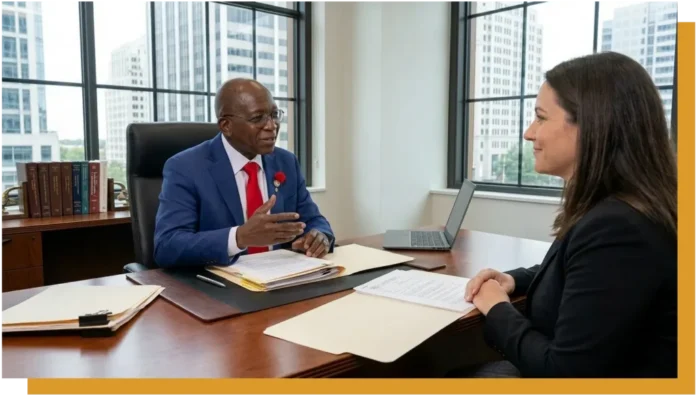

Running a business in San Diego comes with real financial pressure. Rent, payroll, supplier bills, and loan payments do not pause just because sales slow down. When debt piles up faster than revenue, many owners start searching for a business bankruptcy attorney San Diego companies turn to when they need a clear way forward. Bankruptcy is not a sign of failure. It is a legal tool built to give struggling businesses breathing room and a real plan to reset.
A qualified attorney reviews your business structure, debts, and assets before recommending a path. Sole proprietors, partnerships, and corporations each face different rules once a case is filed. Some owners can keep operating while restructuring debt. Others choose to close the business cleanly and walk away from what they owe. The right choice depends on your goals, not a generic template.
Why Business Owners File For Bankruptcy Protection
Once a bankruptcy petition is filed, an automatic stay goes into effect right away. This stops most creditor calls, lawsuits, and collection letters almost instantly. For an owner who has been juggling angry vendors and mounting legal notices, working with a business bankruptcy attorney San Diego can provide clear guidance during this stressful period. That pause alone can feel like the first calm moment in months, giving the owner time to think clearly instead of reacting to whichever creditor is loudest that week.
Bankruptcy can also stop wage garnishments tied to business debt and prevent creditors from seizing equipment or inventory needed to keep operating. Some business debts can be discharged entirely, meaning the company is no longer legally required to pay them back. Other debts get restructured into a repayment plan the business can actually manage. Either route removes the constant threat hanging over daily operations.
Chapter Options Every Owner Should Understand
Chapter 7 works like a liquidation. Business assets are sold to pay creditors, and remaining qualifying debts get wiped out, which often suits owners ready to close operations and start fresh elsewhere. Chapter 11 is built for businesses that want to keep running while paying down debt under a court approved plan over time. It takes more paperwork and oversight, but it lets a company stay open to customers and employees.
Smaller businesses sometimes qualify for a streamlined version of Chapter 11 designed to move faster and cost less than the traditional process. A San Diego attorney can walk through eligibility requirements and explain which option fits your business size, industry, and debt load. Choosing the wrong chapter can waste months, so this decision deserves real legal guidance rather than guesswork.
How Business Debt And Home Foreclosure Often Connect
Many small business owners in San Diego personally guarantee loans or use their home as collateral to secure financing. When the business struggles, that personal exposure means the family home can end up at risk too. This is where a foreclosure attorney San Diego families call becomes just as important as the bankruptcy side of the case. The two problems frequently arrive together, and solving one without addressing the other leaves a gap.
If a lender has already sent a notice of default, a foreclosure attorney San Diego residents work with can review the timeline and identify options before the sale date arrives. Filing certain types of bankruptcy triggers an automatic stay that halts a scheduled foreclosure sale immediately. That stay gives homeowners room to negotiate a loan modification, propose a repayment plan, or explore other paths to keep the property.
Best Ways To Protect Your Home During Financial Hardship
Reinstatement lets a borrower catch up on missed mortgage payments in one lump sum to stop foreclosure outright. Forbearance temporarily reduces or pauses payments while the homeowner recovers financially. Loan modification changes the terms of the existing mortgage so monthly payments become manageable long term. Selling the home through a short sale is another route when keeping the property is no longer realistic.
Chapter 13 bankruptcy stands out as one of the strongest tools for homeowners who want to stay in their house. It allows missed payments to be repaid gradually over several years while the loan stays current going forward. A local attorney can review which of these paths matches your income, your equity, and how close the foreclosure date actually is.
What A San Diego Attorney Actually Does For You
A good attorney starts by reviewing every debt, asset, and deadline tied to your situation. From there, they explain realistic outcomes instead of making promises that sound too good to be true. They prepare and file all required court paperwork correctly, since a small filing error can delay a case or get it dismissed. They also communicate directly with creditors and lenders so you are not fielding those calls alone.
Throughout the process, your attorney represents you at required court hearings and settlement conferences. They track every deadline tied to the automatic stay, repayment plan approval, and any foreclosure sale date. Having someone who knows San Diego County court procedures and California exemption rules matters, since local practice can shape how a case moves and how quickly relief actually arrives.
Choosing The Right Attorney For Your Situation
Look for an attorney who focuses specifically on bankruptcy and foreclosure defense rather than someone who handles it occasionally alongside unrelated practice areas. Ask how many similar cases they have filed and how they communicate with clients during an active case. A clear, honest conversation during your first meeting says a lot about how the rest of the relationship will go.
Bring your recent bills, loan documents, and any notices from creditors or your lender to that first conversation. The more information your attorney has upfront, the faster they can map out a plan that fits your business and your home. Financial stress rarely resolves itself, and waiting to reach out usually narrows the options that remain available.
Frequently Asked Questions
Can bankruptcy stop a business from closing completely?
Yes, Chapter 11 lets many businesses keep operating while repaying debt under a structured plan approved by the court.
Does filing bankruptcy immediately stop a foreclosure sale?
An automatic stay typically halts a scheduled sale the moment a bankruptcy case is filed, though the lender can sometimes ask the court to lift it.
Is Chapter 7 or Chapter 13 better for saving a home?
Chapter 13 is generally the stronger option since it lets homeowners catch up on missed payments over time instead of losing the property.
Will bankruptcy erase all business debt?
Not every debt qualifies for discharge, so an attorney reviews your specific creditors to explain what can and cannot be eliminated.
Can I talk to a lawyer before deciding which option to pursue?
Yes, most attorneys start with a consultation to review your finances and outline realistic paths before any paperwork is filed.