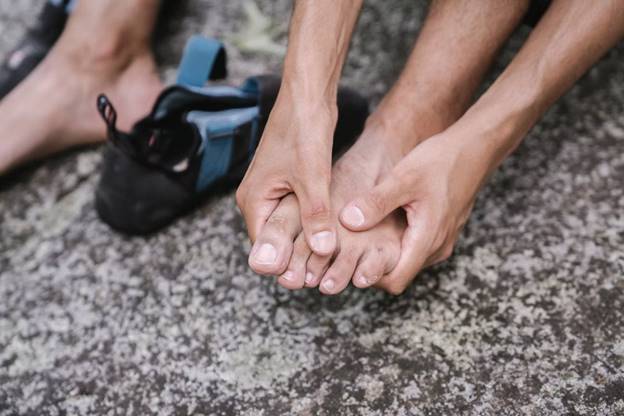

It’s 7 p.m. You kick off your shoes, and the bump at the base of your big toe is red again. It looks bigger than it did last spring. You’re not imagining it.
When bunions keep getting worse, the shape of your shoe deserves a hard look. Specifically, the toe box, the front section where your toes are supposed to sit. It’s the one shoe detail almost every foot specialist agrees on. It’s also the easiest one to check yourself.
Your Shoes Didn’t Start Your Bunion. They Can Speed It Up
Start with the biggest myth. Most bunions begin with the foot you inherited. According to Cleveland Clinic, roughly one in three Americans has a bunion. More than 70% of people with bunions have a parent who had them.
What gets passed down is a foot shape: a flatter arch, looser ligaments, a big toe that tends to drift. Shoes don’t create that. They decide how much pressure the joint takes, step after step.
A 1965 study in the British Medical Journal examined nearly everyone on St. Helena, a remote island where about half the people went barefoot most of the time. Among people who never wore shoes, only about 2% had bunions. Among women who had worn shoes for 60 years or more, the rate was close to half.
Your genes set the stage. Your shoes set the pace.
Why Bunions Keep Getting Worse in Narrow Shoes
Your forefoot spreads every time you put weight on it. A tapered toe box fights that spread. It pushes your big toe inward, the same direction a bunion already wants to go.
A 2013 study in the Journal of Foot and Ankle Research tested round, square and pointed toe boxes on a popular women’s flat. The round toe box put the least pressure on the big toe side of the foot.
Now the part most shoe articles skip. A 2025 study in the same journal looked at older women who already had painful, moderate or severe bunions. The shape of their everyday shoes wasn’t linked to extra pressure on the bunion.
In plain terms, toe room matters most early. Once a bunion is advanced, a wider shoe buys you comfort and less rubbing. It won’t push the toe back. If your bump is still small, change shoes now.
The 60-Second Toe Box Test You Can Do Tonight
You don’t need a gait lab. You need a sheet of paper, a pen, and the shoes you wear most.
- Stand on the paper barefoot with your weight even.
- Trace your foot, holding the pen straight up.
- Set your shoe on the tracing, lined up at the heel.
If your outline spills past the shoe at the toes, that shoe is squeezing you. Look at the shapes, too. Most feet are widest at the toes. Most shoes are widest at the ball of the foot, then taper. That gap is where the pressure lives.
Test in the evening, when your feet have swollen a little and tight shoes hurt most.
Shopping for a new pair? Buy from a store with free exchanges. Then wear the shoes indoors on a clean floor for the first few days. Most retailers won’t take back a pair with street wear on the soles.
Are Barefoot Shoes Right for Your Bunions?
Barefoot shoes come up a lot in bunion conversations because they’re shaped like a foot. Wide at the toes. Flat from heel to toe. No taper.
Be careful with the hype, though. Some podiatrists warn that very flat, very flexible shoes can strain the big toe joint. The risk is higher if your arch collapses with every step.
My take: the toe box is the one thing nearly every expert agrees on. Start there, then match the rest to your foot.
- Flat feet or heavy inward rolling: see a podiatrist first. Even some barefoot shoe brands say their shoes may not suit flat feet or severe pronation.
- Custom orthotics: ask whether they’ll fit the shoe you’re considering.
- Normal arches, squeezed toes: a foot-shaped shoe is a sensible place to start.
Either way, ease in. Start with a couple of hours a day and build up.
What to Look for in Your Next Pair
Ignore the “W” on the box. A wide-width shoe can still taper to a point. You want a toe box that stays wide all the way to the front.
- Toe room: your toes spread without touching the sides.
- Low or no heel: heels slide your foot forward and jam your toes together.
- Soft upper: canvas or soft leather that won’t dig into the bump.
- Laces: so you can loosen the front on sore days.
If you want a casual everyday option, foot-shaped sneakers like the ones at https://rutsubarefoot.com/collections/barefoot-sneakers pair a wide toe box with a flat, zero-drop sole. Whatever brand you pick, check its size chart. Barefoot and wide toe box brands often size differently from mainstream sneakers.
One more money tip. Some foot-shaped shoes are listed as HSA or FSA eligible. Check before you pay out of pocket.
Bunion and Toe Box FAQs
Can a wide toe box shoe fix a bunion?
No. A bunion is a change in the joint itself, and shoes can’t reverse it. The right shoe takes pressure off the joint, cuts down on rubbing and makes long days hurt less.
Do I need arch support if I have bunions?
It depends on your arches. If they collapse a lot when you stand, many podiatrists recommend support or orthotics. If they hold up fine, toe room is your bigger priority. One visit to a podiatrist will usually tell you which group you’re in.
How can I tell my shoes are making my bunion worse?
Take a pair you wear every week. If it leaves the bump red, swollen or numb by evening, it’s part of the problem. New calluses on the side of your big toe are another clue.
When should I see a podiatrist about a bunion?
See one when the pain changes how you walk. Go sooner if your big toe starts crowding the second toe or new shoes stop helping. Cleveland Clinic notes that starting treatment early improves your odds of managing bunions without surgery.
Start With the Shoes You Already Own
Tonight, run the paper test on your three most-worn pairs. Retire the one that squeezes hardest. When you shop for a replacement, bring your tracing and hold it up to every toe box you consider. Your toes have been asking for room for years. Give it to them.