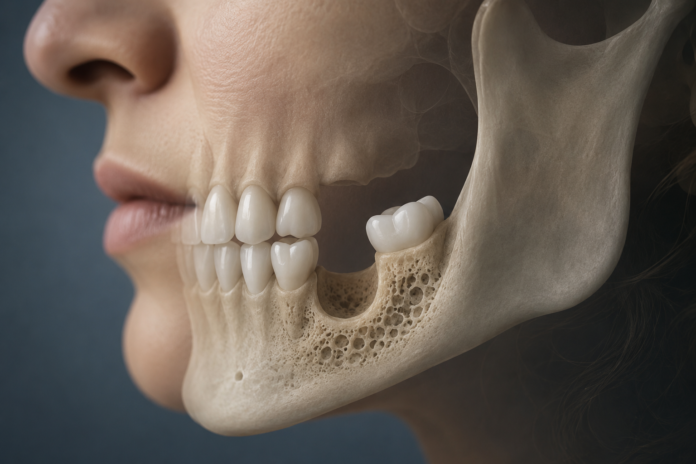

When a tooth goes missing, most people notice the obvious stuff first. The gap. The awkward smile in photos. That little habit of keeping lips pressed together when laughing. Fair enough. What often slips under the radar is what happens below the surface, where the jawbone starts getting less stimulation and slowly begins to shrink away.
It sounds a bit dramatic, but the body is practical like that. Teeth are not just for chewing or looking neat in the mirror. They send a kind of daily signal to the jawbone, telling it to stay strong and keep its shape. Once that signal disappears, the bone can start to thin out. Quietly. Sneakily. No fanfare at all.
Why the Jawbone Starts Changing
The jaw is a bit like a well-used garden path. Keep walking on it and it stays firm. Stop using it and weeds, cracks, and sagging start to creep in. Bone works in a similar way. Chewing puts pressure through the roots of the teeth and into the jaw. That pressure keeps bone active.
When a tooth is removed or lost, the area around it no longer gets that regular input. Over time, the bone in that spot begins to resorb, which is the clinical way of saying it shrinks. This can happen in any part of the mouth, though it often becomes more noticeable when one tooth has been missing for a while.
In Australia, plenty of people delay replacing a missing tooth because the gap does not seem urgent. Life gets busy, bills pile up, and unless the tooth is right at the front, the issue can sit quietly in the background. That is usually when bone loss gets its chance.
What Bone Loss Actually Changes
Bone loss in the jaw is not just about shape. It can affect how the face looks, how the remaining teeth sit, and how future dental treatment fits into place. The changes can be subtle at first, then a bit more obvious later on.
Some people notice the face beginning to look a touch sunken around the missing tooth area. Others find nearby teeth drifting slightly, leaving spaces that were not there before. Chewing may feel less even too, especially if the missing tooth was doing a fair bit of work on a favourite side.
There is also the matter of confidence. A missing tooth can make someone smile less or chew carefully in social settings. That little habit of avoiding certain foods at a pub lunch or Sunday roast starts to become normal, which is a bit of a nuisance really.
Why This Matters More Than It Seems
Bone loss tends to be one of those things people only hear about when a dentist mentions it. Before that, it feels invisible. No pain, no swelling, no dramatic warning sign. Just a slow change under the gum.
Here is where things get tricky. Once the bone has reduced, replacing the tooth can become more complicated. Some treatments may need extra support if there is not enough bone left in the area. That can mean more steps, more time, and sometimes more cost. Not exactly the sort of surprise anyone wants.
For people weighing up single tooth implant options, this is often part of the conversation. A replacement that helps keep stimulation in the jaw can be a practical move, not just a cosmetic one. It is less about plugging a gap and more about keeping the whole structure happier for longer.
Signs a Missing Tooth May Be Affecting the Jaw
Jawbone changes do not usually arrive with a trumpet blast. They creep in. Still, there are a few hints worth watching for.
Changes in the bite
Teeth may start shifting into the open space, which can change the way the upper and lower teeth meet. A bite that once felt normal may begin to feel slightly off, almost like a chair with one short leg.
Shifting facial shape
If bone loss becomes more advanced, the area around the mouth can lose some support. This may give the face a more hollow look, especially around the cheeks or lips.
Loose-feeling nearby teeth
When neighbouring teeth move, they can become less stable or start creating awkward little gaps where food loves to hide.
Difficulty chewing one side
Many people unconsciously avoid the missing tooth side. That puts more strain on the other side, which then works harder than it should.
Who Is Most Likely to Notice It
Anyone with a missing tooth can experience jawbone changes, though some situations carry more risk than others. People who have had a tooth missing for a long time often see more shrinkage in that area. The same goes for those missing back teeth, since those teeth tend to handle a fair bit of chewing force.
Older adults may notice bone changes more clearly simply because the jaw has had longer to respond to the lack of stimulation. Smokers can also face extra challenges with healing and bone health. Gum disease plays a part too, since it can weaken the structures that already support the teeth.
Of course, this is not a gloomy fate carved in stone. Plenty can be done to slow the process and protect what remains.
What Can Be Done About It
The main aim is straightforward enough, keep the jaw working. If a tooth is missing, replacing it sooner rather than later is often the best approach. The right option depends on the person, the tooth involved, and the condition of the surrounding bone and gums.
Dental bridges, partial dentures, and implants each come with their own place in treatment. Some suit smaller gaps. Others are better for longer-term support. A good dentist will look at the bone, the bite, and the patient’s day-to-day needs before recommending anything.
Regular check-ups matter as well. They give dentists a chance to spot movement, bone changes, or signs that a missing tooth is starting to affect other parts of the mouth. A bit of early attention can save a lot of hassle later.
The Emotional Side No One Talks About
There is a funny thing about missing teeth. People often pretend it is just a small dental issue, then quietly avoid smiling in group photos for years. Human beings are odd like that. A tiny gap can mess with confidence more than expected.
That is one reason jawbone loss matters beyond the medical side. It is tied up with how a person eats, speaks, and carries themselves. When a tooth disappears, it can set off a chain reaction that reaches far past the mouth.
Plenty of Australians put off treatment because the gap feels manageable. Fair enough, life is expensive and no one enjoys dental appointments for the sake of it. Still, the longer the space sits there, the more the jaw can change underneath it.
A Small Gap, a Bigger Story
A missing tooth may seem like a minor issue at first glance. Yet the jawbone tells a different story. Without regular stimulation, it can begin to shrink, and that shift can affect everything from chewing to facial shape to future treatment options.
That is why replacing a missing tooth is about more than filling an empty spot. It is about keeping the mouth balanced, the bone active, and the rest of the teeth from joining in with a bit of unwanted mischief.
For anyone in Australia living with a gap that has been there a while, it is worth having a proper chat with a dentist. The earlier the problem is looked at, the easier it usually is to keep the jaw in good shape. A missing tooth may be quiet, but the bone underneath is paying attention.