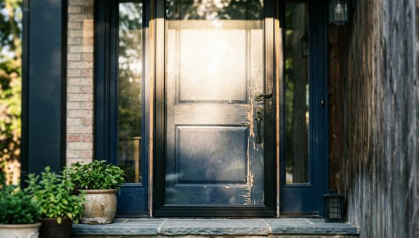

By a home improvement industry contributor. You might see a storm door as a simple upgrade for fresh air or an extra layer of security. But the wrong one can actually damage your home. The most common problem isn’t a broken latch; it’s the slow, silent damage to your expensive main door. When intense sun hits a dark-colored front door trapped behind a standard glass storm door, the space between them can turn into an oven. Temperatures can get high enough to warp wood, peel paint, and even melt plastic trim.
This one mistake can void your main door’s warranty, forcing you to pay for a costly replacement. Choosing the right features, like vented glass or special Low-E coatings that reflect heat, is key to preventing this. With thousands of options, it can be hard to choose. A good place to start is to see what’s available from a specialist like denverstormdoor.com. With the cost of building materials always changing, getting the choice right the first time is more important than ever.
Quick answer: A quality storm door protects your main entry door, improves energy efficiency, and adds ventilation. However, common mistakes in material choice, installation, and glass selection can cause damage, cancel out savings, and lead to it failing too soon.
What’s inside
· How can the wrong glass package damage your main door?
· What should you ask before an installer touches your home?
· Why is a Colorado-Proof Storm Door Different?
· Frequently Asked Questions
How can the wrong glass package damage your main door?
The space between a storm door and an entry door can trap the sun’s heat, causing warping, paint damage, and can even void your main door’s warranty.
This happens because of a simple greenhouse effect. Sunlight passes through the storm door’s glass and is soaked up by your main entry door. The door soaks up this energy and sends it back out as heat, but the heat can’t easily escape back through the glass. On a sunny day, temperatures in this trapped air space can soar. For homes in Colorado’s Front Range, the high altitude and intense sun make this a very common and costly problem.
Imagine a home with a new, dark blue fiberglass entry door that faces west. Without a vented or Low-E storm door, the trapped heat can cause the door’s surface to get extremely hot. This can lead to the finish delaminating or the stiles and rails separating over time. This mistake can ruin a multi-thousand dollar investment. Replacing an entry door that has been damaged by heat is an expense you can avoid with the right glass choice.
❝ A good rule of thumb: if your front door gets more than two hours of direct, unfiltered sun per day, especially in the afternoon, you need a protective glass package. The cost difference is minimal compared to the price of a new entry door.
The best solution is choosing a storm door with Low-E (low-emissivity) glass. This glass has an invisible, microscopic metallic coating that reflects heat. It lets sunlight pass through but blocks a lot of the solar heat from ever reaching your main door, which stops the heat trap from forming. Another option is a storm door with built-in vents or screen panels you can swap in. These let you air out the space on hot, sunny days, which is another good way to prevent heat buildup.
What should you ask before an installer touches your home?
You should ask about custom measurements, the type of hardware used, and how they plan to handle your specific door frame to ensure a proper, weather-tight seal.
A quality installation begins with exact measurements, not a one-size-fits-all product. Many homes, especially older ones, have door frames that are not perfectly square or a standard size. An installer should measure your opening in several places to make sure the new door is built to fit your frame exactly. Forcing a stock-sized door into a non-standard opening creates gaps that ruin the weather seal, let in drafts, and can strain the door’s hinges, leading to sagging over time.
The parts you don’t see often decide how long a door will last. Ask about the frame’s construction. Is it made from heavy-gauge extruded aluminum, which is rigid and strong, or thinner rolled aluminum that can bend more easily? Look at the corners. Are they screwed together, which can loosen, or are they welded for extra strength? Even the door closer matters. A cheap pneumatic closer can slam shut or fail in cold weather, while a quality hydraulic closer provides a smooth, controlled motion year after year.
To check claims about energy savings, look for a label from the National Fenestration Rating Council (NFRC). This label provides independent ratings for how well a door prevents heat loss (U-factor) and blocks solar heat gain (SHGC). While a storm door cannot fix a leaky primary door, it can greatly improve its performance. A well-installed storm door can noticeably reduce drafts and heat loss through the doorway.
A quick comparison of common materials highlights these trade-offs:
| Feature | Extruded Aluminum | Vinyl-Clad | Wood Core |
| Durability | High (resists dents, bending) | Moderate (can crack in extreme cold) | Moderate (requires sealed finish) |
| Maintenance | Low | Low | High (periodic painting needed) |
| Weather Seal | Excellent when custom fit | Good, but can expand/contract | Good, but can swell with moisture |
| Cost | Mid to High | Low to Mid | High |
❝ Ask your installer one simple question: “What is the warranty on the installation itself, separate from the manufacturer’s warranty on the door?” A confident installer will stand behind their own work, typically for at least one year. This covers issues like sagging, poor sealing, or hardware that doesn’t work right, that are caused by the installation and not by a problem with the door itself.
Why is a Colorado-Proof Storm Door Different?
A storm door built for Colorado’s climate must handle a specific combination of high-altitude UV radiation, drastic daily temperature swings, and powerful wind gusts that can destroy regular doors.
The sun is more intense at a mile high. The thinner atmosphere filters out less ultraviolet (UV) radiation, which breaks down building materials. This intense sun quickly damages paint, causing it to fade and chalk. It also makes vinyl and plastic components brittle and prone to cracking over time. A quality door for this climate uses finishes with UV inhibitors to resist fading and degradation.
Daily temperature changes can be extreme. A door can bake in the afternoon sun and then face freezing temperatures overnight. This constant expansion and contraction can break the seals around the glass and frame. A Colorado-proof door uses stable materials like heavy-gauge aluminum and durable weatherstripping that maintain their integrity despite these swings.
Powerful wind is another major factor. A flimsy door can act like a sail, catching a gust and ripping away from its frame. This can damage not just the storm door but your main door and frame as well. Look for doors with heavy-duty construction, multiple hinges, and a sturdy wind chain or a high-quality closer to prevent this kind of damage.
❝ Insider Tip: Ask about the screen material. Standard fiberglass screens can become brittle and tear easily under intense UV exposure. A heavy-duty aluminum or specialized pet-resistant screen will last much longer in the Colorado sun and better withstand accidental bumps or scratches.
Frequently Asked Questions
Do I need a storm door if I have a new, high-quality entry door?
Yes, a storm door still offers significant benefits. It protects the expensive finish of your new door from sun, rain, and snow. This preserves its look and extends its lifespan. It also provides an extra layer of insulation, improving energy efficiency. Finally, it allows you to open your main door for ventilation without letting in insects.
What is the difference between a full-view and a ventilating storm door?
A full-view storm door has a single, large pane of glass. This is designed to maximize natural light and your view. These often come with an interchangeable screen for seasonal use. A ventilating style has two glass panes and a screen in a single frame. This lets you easily open a glass panel to reveal the screen for instant airflow without swapping parts.
Can a storm door be installed on any door frame?
Most standard door frames can accommodate a storm door. However, frames with deep or ornate decorative molding may require a special installation. An installer might need to build out the mounting surface. This creates a flat, stable area for the new frame. It ensures the storm door sits flush and creates a proper weather-tight seal.
About the author
This article was contributed by the team at Denver Storm Door, a company that provides storm door installation services in the Denver metro area. They specialize in custom-fit solutions designed for Colorado’s unique climate and high-altitude conditions.