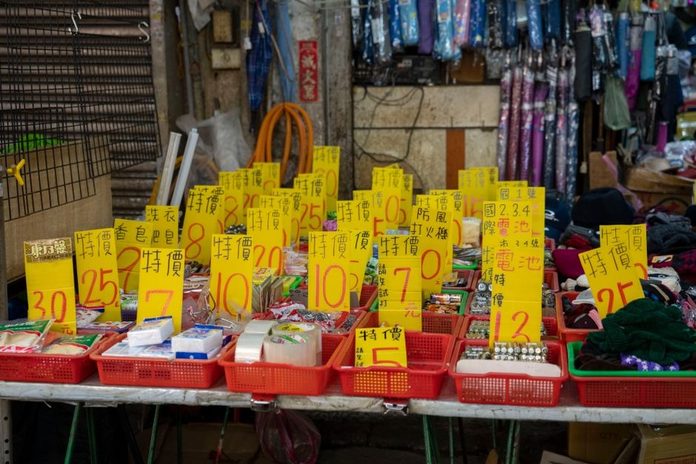

Retail depends on plenty of sophisticated technology, but some of the most useful tools on the sales floor are surprisingly simple. A clear label can tell a customer what something costs, help employees recognize a markdown, or give a stockroom team information without requiring anyone to open an app or walk over to a computer.
That is why handheld labeling tools continue to earn their place behind counters and in stockrooms. They solve a straightforward problem quickly, and when hundreds of products need attention, that simplicity can have a meaningful effect on the working day.
The Right Tool Depends on the Job
Price guns may perform a simple task, but businesses do not necessarily use them in the same way.
Some only need straightforward price labels. Others may need additional characters or a second line for information such as dates or internal codes. Labeling volume also matters because a tool used occasionally has different demands from one handled throughout the day.
For businesses that regularly label merchandise, a Monarch price gun can support tasks such as product pricing, date coding, and inventory marking. Different models provide varying label formats and printing capabilities, allowing businesses to choose a setup that better matches the information they need to display.
The important part is matching the tool to the workflow rather than choosing based on price alone.
Clear Pricing Makes Shopping Easier
Few things interrupt a purchase faster than uncertainty about price.
When shoppers can immediately see what an item costs, they can compare options and make decisions without searching for a scanner or tracking down an employee. Clear pricing also gives staff fewer basic questions to answer when they could be helping customers with something more useful.
Labels have an operational role too. Depending on the business, they may distinguish markdowns, identify dates, or provide information employees use when organizing merchandise.
Good labeling, therefore, is not merely about putting numbers on products. It is part of making merchandise easier to understand and manage.
That principle fits into the broader importance of retail merchandising, where clear presentation and thoughtful organization can make the shopping experience easier to navigate.
Simple Tools Still Have a Place in Modern Retail
Digital inventory systems, barcode scanners, and electronic displays have transformed retail, but not every task needs a digital solution.
Sometimes an employee simply needs to place information on an item and move on to the next one.
A price gun is designed for exactly that kind of repetitive work. It prints information onto an adhesive label and applies it directly to a product or other appropriate surface. Employees can move through merchandise without repeatedly returning to a printer or workstation.
That portability becomes particularly useful when new stock arrives, prices change, markdowns need to be completed, or a large quantity of merchandise has to be prepared for the sales floor.
The individual time saving may seem tiny. Multiply it across hundreds of products, however, and those seconds begin to matter.
Think About the Supplies as Well as the Tool
Buying the labeler is only the beginning.
Labels and ink rollers are consumable supplies, so availability and compatibility matter over the life of the tool. A perfectly functional price gun becomes considerably less useful if the correct replacement labels are difficult to find.
Label dimensions deserve attention too. The available space needs to accommodate the information employees are expected to print without making the result difficult to read.
Ease of loading can make a noticeable difference as well. Employees should be able to replace labels and ink without turning routine maintenance into a frustrating puzzle.
These details sound minor when comparing products online. They become much more important after the tool has been used hundreds of times.
Readability Matters More Than Squeezing Everything In
A label only works if people can understand it.
Trying to fit too much information into a small space can create clutter rather than clarity. Faded ink, poorly aligned characters, or labels placed over important product information can cause similar problems.
The better approach is to decide what the label actually needs to communicate and keep it focused on that purpose.
For retailers, clear labels are also part of maintaining accurate price information for shoppers. Understanding the basic principles behind pricing products for retail can help businesses think more carefully about how prices are established, communicated, and managed.
The price gun is simply the final delivery mechanism. Accuracy still depends on the process behind it.
A Little Maintenance Prevents a Lot of Frustration
Price guns are designed for repetitive use, but that does not mean they should be ignored until something stops working.
Labels need to be loaded correctly. Ink rollers eventually require replacement. Adhesive residue, dust, or damaged supplies can interfere with smooth operation.
Employees should also know the basics of using the tool. A short demonstration of loading labels, replacing ink, adjusting printed characters, and checking print quality can prevent repeated mistakes later.
There is no need to turn price-gun training into a full afternoon workshop. The goal is simply to make sure several people know how to use and maintain the tool properly rather than relying on the one employee who somehow became the unofficial label-gun expert.