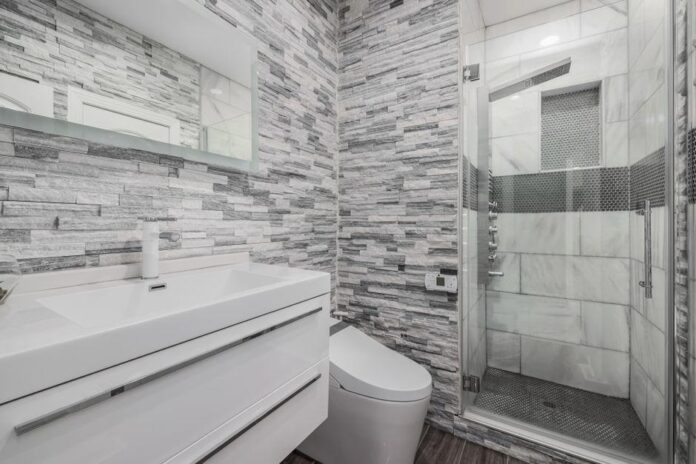

Bathroom remodels sound exciting until you’re brushing your teeth beside peeling caulk and a drawer that only opens if you sweet-talk it first. The good news is that a better bathroom doesn’t have to feel fancy or confusing.
If you focus on comfort, function, and a few smart choices, you can turn a cramped or dated space into one that works better every single day. Think less showroom drama, more real-life ease.
Get the pros in early
Before you fall in love with a tile pattern that looks like a tiny disco floor, step back and think about how you use the room. Do you need more storage, easier cleaning, or a safer shower? Your answers shape the whole project.
Those answers land differently once someone has measured the space. A bathroom remodeling contractor will tell you early whether a tub-to-shower conversion suits your layout, whether a walk-in tub makes sense for anyone with mobility limits, and what your budget realistically covers.
Getting that read before you commit saves the disappointment of discovering halfway through that your favorite idea was never going to fit.
Fix daily frustrations
Most people don’t remodel because they’re bored. They remodel because something in the room annoys them every day. Maybe the lighting makes you look like a ghost. Maybe there’s nowhere to put towels. Maybe the shower curtain attacks your legs like it has a grudge.
Start by listing what frustrates you most. Small bathrooms often suffer from poor storage, bulky vanities, and dark corners. Older bathrooms can have low tubs, slippery floors, or surfaces that stain if you glance at them wrong.
This is where smart design beats flashy design. A recessed medicine cabinet, better drawer organizers, or a vanity with deep storage can make the room easier to live with. Good lighting around the mirror helps with shaving, makeup, and basic human confidence. If the layout feels awkward, even shifting one fixture or widening the shower entrance can make a big difference.
Choose comfort upgrades
A bathroom should feel good to use, not just look nice in listing photos. Comfort upgrades are often the changes people appreciate most after the project is done. They’re the quiet heroes of remodeling.
Walk-in showers are a favorite for a reason. They’re easier to enter, simpler to clean, and often make the room feel more open. A built-in bench or niche adds convenience without shouting for attention. Better ventilation is another upgrade that doesn’t sound glamorous but saves you from foggy mirrors and that damp towel smell nobody wants.
You can also improve comfort with softer lighting, taller toilets, easy-turn faucet handles, and slip-resistant flooring. If more than one person uses the bathroom at once, a double vanity or a little extra counter space can reduce morning traffic jams. These details may seem small on paper, but in daily life they can feel huge.
Pick finishes that last
It’s easy to get swept up by trends, especially when every photo online looks like a spa in a movie. But your bathroom deals with water, steam, cleaning products, and constant use. It needs finishes that can handle real life.
Porcelain tile is popular because it’s durable and easy to maintain. Quartz counters are also a practical choice since they resist stains and don’t ask for much attention. For walls and cabinets, simpler colors tend to age better than bold trends that may feel tired in two years.
That doesn’t mean your bathroom has to be boring. You can still add personality with mirrors, hardware, light fixtures, or one standout tile area. The trick is balance. Pick timeless basics for the expensive pieces, then have fun with accents that are easier to swap later. Your future self will thank you, probably while cleaning much less grout.
Make a realistic budget
Bathroom remodels can range from modest refresh to wallet-gulping overhaul, so a realistic budget keeps your project grounded. Start by deciding what matters most. If your shower leaks, that comes before a trendy mirror. If your storage is terrible, spend where it solves that problem.
A useful rule is to separate needs from nice-to-haves. Needs include waterproofing, plumbing fixes, ventilation, and safe flooring. Nice-to-haves may include upgraded hardware, heated floors, or designer sconces that make your sink feel famous.
It’s also smart to leave room for surprises. Behind old walls, contractors sometimes find water damage, outdated wiring, or plumbing that’s seen better days. That’s why many homeowners keep a cushion in the budget for unexpected costs.
If money gets tight, save on items that are easier to replace later. Lighting, mirrors, and paint are usually simpler to change than tile work or plumbing layouts. Spend carefully where change would be expensive.
Plan for smoother timing
Even a well-run remodel can disrupt your routine. There may be dust, deliveries, noise, and a few days when your bathroom looks like a science project. That doesn’t mean the process has gone wrong. It just means construction is construction.
You can make things easier by planning ahead. If this is your only bathroom, ask how long key parts of the work will take and whether the toilet or shower will be unavailable for certain periods. Set up temporary storage for daily items like toothbrushes, medicines, and towels before demolition starts.
It also helps to expect minor delays. Materials can arrive late. A tile may be backordered. A hidden repair may need attention before the pretty stuff goes in. Staying flexible keeps your stress lower. Think of it like roadwork for your house. Annoying now, smoother travel later.
Aim for everyday value
The best bathroom updates are not always the flashiest ones. They’re the changes that make your mornings easier, your cleaning routine shorter, and your space more pleasant to use. That’s real value.
A better layout, reliable ventilation, smart storage, and durable finishes can improve your home life right away. They can also help your property feel more updated if you ever decide to sell. Buyers notice bathrooms because everyone uses them. A room that feels clean, practical, and comfortable goes a long way.
If you’re planning a remodel, focus on how the room needs to serve you each day. Pretty matters, sure, but useful wins the marathon. When your bathroom supports your routine instead of fighting it, you’ll feel the payoff over and over again. And that’s worth more than a fancy faucet trying to steal the show.