
Key Takeaways
- Assess your home’s actual problems before choosing improvement projects.
- Prioritize safety, water protection, comfort, and efficiency before cosmetic upgrades.
- Tulsa’s changing weather makes durable windows, doors, seals, drainage, and ventilation important.
- Compare repair and replacement options based on condition, cost, and long-term value.
- Get detailed estimates that clearly explain materials, labor, warranties, and possible extra costs.
- Plan a realistic budget and timeline that allows for unexpected repairs.
- Choose improvements that make the home safer, more comfortable, and easier to maintain.
Tulsa homes face changing conditions throughout the year, from intense heat and wind to heavy rain, cold snaps, and rapid temperature swings. The best improvement plan starts by identifying how those conditions affect your home, then choosing updates that enhance safety, comfort, durability, and everyday functionality. Homeowners considering new windows can begin by comparing professional window companies Tulsa services in Tulsa OK alongside a clear assessment of drafts, moisture, frame condition, and household priorities. A weather-smart project does not have to mean a full renovation. Sometimes the right first step is resealing an exterior door, improving bathroom ventilation, repairing damaged trim, or correcting a drainage issue near the foundation. Planning around real problems rather than short-lived trends helps homeowners spend more deliberately and avoid putting cosmetic work ahead of needed repairs.
Why Local Weather Should Guide Home Updates
Heat, cold, wind, rain, and direct sunlight can all expose weak points in a home’s exterior. A room that feels too warm in summer or chilly in winter may have more than one cause, including air leaks, aging windows, insufficient insulation, poorly sealed doors, or HVAC issues. When comparing replacement windows and doors, it is useful to review performance guidance for different climate conditions so that product ratings become part of the conversation rather than an afterthought. Small warning signs deserve attention. Peeling paint, swollen trim, staining near a window, recurring condensation, or a door that no longer closes squarely can point to water, air, or movement problems. Addressing those concerns early may help prevent wider damage to finishes, framing, and interior surfaces.
Start With a Simple Home Inspection
Before requesting estimates, take a slow room-by-room walk through the house. Make notes, take clear photos, and look for patterns instead of treating every issue as separate.
- Feel for drafts around windows, exterior doors, outlets, and trim.
- Check for peeling paint, soft wood, cracks, gaps, stains, or damaged caulk.
- Notice rooms that are unusually hot, cold, damp, noisy, or difficult to ventilate.
- Test bathroom lighting, exhaust fans, flooring, storage, and access points.
- Gather recent utility bills, past repair records, warranties, and product information.
Do not climb onto roofs, enter crawl spaces, or investigate unsafe electrical or structural conditions without appropriate training. A professional inspection is often the safer choice when a concern is difficult to reach or diagnose.
Choose the Right Project First
Ranking projects by need helps prevent a useful budget from disappearing into surface-level upgrades. Start with safety and protection, then move toward comfort, efficiency, and appearance.
A Simple Project Scoring Method
Give each potential project one to five points in four categories: safety, risk of more expensive damage, comfort, and long-term value. A loose handrail or active water entry should score high, even if it is not visually dramatic. A purely cosmetic change can wait when another issue has a higher total.
- Safety: Resolve fall risks, loose materials, poor lighting, and unsafe access.
- Protection: Repair openings that allow water, pests, or wind-driven rain inside.
- Comfort: Address drafts, uneven temperatures, noise, and poor ventilation.
- Efficiency: Reduce unnecessary heating and cooling loss where practical.
- Style: Make cosmetic updates after the home’s essential needs are covered.
Exterior Updates That Support Comfort
The exterior works as a connected system. Windows, doors, siding, trim, caulking, flashing, gutters, drainage, and exterior lighting all influence how the home handles weather. Installing one new component while ignoring a nearby opening or failed seal can limit the value of the work. Pay particular attention to water flow. Downspouts should direct water away from the home, and soil near the foundation should not encourage standing water against exterior walls. Entry paths should also have adequate lighting and stable walking surfaces, especially for households with children, guests, or older adults.
Windows, Doors, and Exterior Cladding
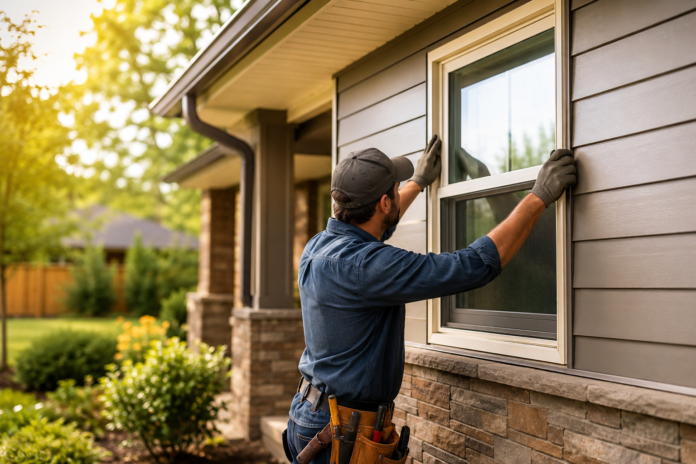
Window or door replacement is not always necessary. Repairs may be appropriate for isolated weatherstripping problems, minor hardware failures, or limited trim damage. Replacement may be more practical when several units have failed seals, substantial rot, poor operation, or persistent air leakage.
- Watch for condensation between glass panes, cracking frames, swelling, rot, or broken locks.
- Note whether units are difficult to open, close, latch, or lock.
- Compare comfort in rooms with similar sun exposure and HVAC use.
- Ask whether the surrounding trim, flashing, and interior finishing are included in the scope.
Exterior cladding also deserves a material-by-material comparison. Consider moisture and impact resistance, maintenance needs, color stability, insulation characteristics, paintability, and how the new material connects around corners, windows, and doors. One homeowner may prefer a low-maintenance finish, while another may value texture and a traditional painted appearance.
Bathroom Updates That Improve Daily Use
A bathroom update can make daily routines safer and easier without creating a clinical-looking room. Low-threshold shower access, slip-resistant flooring, sturdy grab bars, improved task lighting, dependable ventilation, easy-clean wall surfaces, and reachable storage can all support long-term use. Plan for the people using the room today, as well as changing mobility needs in the years ahead.
Plan the Timeline and Budget
Define the main problem in one sentence before choosing products. For example: “The upstairs bedroom becomes too hot in summer and has visible air leaks around the window.” Then set a total spending limit, including a contingency amount for concealed damage, code-related changes, or material adjustments. Ask about design time, ordering lead times, installation duration, cleanup, payment stages, and how the work may affect pets, parking, room access, and daily routines. Homeowners who may qualify for assistance can review Tulsa home repair and rehabilitation programs before assuming every urgent repair must be funded entirely out of pocket.
Questions to Ask Before Hiring a Contractor
- How will the existing condition be evaluated before work begins?
- Which materials, labor tasks, and finishes are included in writing?
- Who will perform the installation, and how will the work area be protected?
- What happens if hidden damage is discovered?
- Which permits, inspections, warranties, and cleanup services apply?
- How will changes be approved, priced, and documented?
Compare written estimates by scope, materials, exclusions, timeline, cleanup, and warranty terms. The lowest number is not always the best value if important preparation or repair work has been left out.
A Home Update Checklist
- □ List the three biggest comfort or maintenance concerns.
- □ Check windows, doors, siding, trim, bathroom surfaces, and drainage areas.
- □ Rank projects by safety, protection, comfort, efficiency, and style.
- □ Set a budget that includes room for surprises.
- □ Gather photos, measurements, utility records, and repair history.
- □ Request detailed estimates and review all terms before committing.
A Smarter Way to Plan Home Improvements
The strongest home improvement plan starts with the home’s actual needs. A clear goal, suitable materials, careful installation, and realistic scheduling can make even a modest update more valuable. When homeowners inspect, prioritize, compare, and prepare before work begins, they are better positioned to create improvements that support their household for years to come.
Conclusion
A smarter Tulsa home improvement plan starts with real needs, not passing trends or cosmetic upgrades. By assessing weather-related problems, prioritizing safety and protection, comparing repair and replacement options, and planning a realistic budget, homeowners can make more confident decisions. Careful preparation can also help reduce unexpected costs and prevent small issues from becoming larger repairs. Working with qualified professionals, carefully reviewing estimates, and choosing durable materials suited to local conditions can further improve results. Whether the project involves windows, doors, ventilation, drainage, or other areas of the home, each improvement should serve a practical purpose. With thoughtful planning and professional guidance, homeowners can create a safer, more comfortable, durable, and efficient living space while making investments that continue to provide value for years to come.