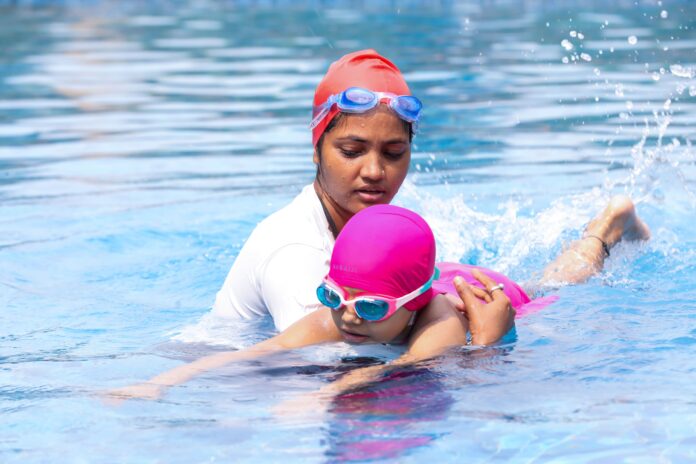

Learning to swim is an important life skill, but choosing the right programme can feel overwhelming. Parents comparing swimming lessons in Hoppers Crossing need to consider more than location or price. The quality of instruction, safety practices, class structure and the child’s individual needs can all influence how confidently they learn.
Look Beyond Convenience
A nearby pool is useful, but convenience should not be the only deciding factor. Consider whether lesson times fit comfortably around school, homework and family routines. Consistent attendance is easier when travel is manageable.
Check Instructor Qualifications
Qualified instructors should have appropriate swimming teaching credentials, first-aid knowledge and experience working with children. It is also worth asking how instructors manage different abilities within a group. A good teacher should be able to explain techniques clearly, recognise when a child is struggling and adjust activities without creating unnecessary pressure.
Consider Class Size
Class size can affect how much individual attention a swimmer receives. Smaller groups may allow instructors to observe technique more closely, while larger classes can provide opportunities for children to become comfortable swimming around others. Ask how many students are placed with each instructor and whether groups are organised according to age, confidence and ability.
Assess the Teaching Approach
Children learn differently, so teaching methods matter. Look for programmes that build skills progressively, beginning with water familiarity and basic safety before advancing to strokes, breathing and greater independence. A positive environment can also help children who are nervous around water. Lessons should be encouraging while still maintaining clear boundaries and expectations.
Prioritise Water Safety
Swimming education should extend beyond becoming a stronger swimmer. Ask whether lessons include practical safety skills, such as floating, entering and exiting the water, responding calmly in an emergency and understanding personal limits.
Watch a Lesson if Possible
If the provider allows it, observing a class can reveal useful details that a website may not show. Notice whether instructors communicate patiently, whether children remain engaged and whether safety procedures appear organised. Pay attention to how staff respond when a child becomes upset or loses confidence.
Understand Progress Tracking
Parents should know how progress is assessed and communicated. Regular feedback can show which skills have been mastered and which require further practice. A clear progression system also helps families understand when a child is ready to move into a more advanced group, rather than relying solely on age.
Paul Sadler Swimland
Paul Sadler Swimland is one provider parents may encounter when comparing local swimming programmes. Its approach can be considered alongside other options by looking at lesson structure, instructor support, safety education and how progression is communicated. As with any swimming school, parents should assess whether its programme suits their child’s confidence, ability, schedule and learning style.
Making the Right Choice
These benefits can extend beyond the swimming pool, helping children develop confidence, discipline and skills that support them in other areas of life.
The best programme is not necessarily the most expensive or the closest to home. Parents should weigh teaching quality, safety, class size, progression and their child’s comfort together. Asking questions before enrolling can make the decision clearer and help establish realistic expectations. With the right environment, swimming lessons in Hoppers Crossing can become a positive routine that develops confidence, competence and lifelong respect for water.