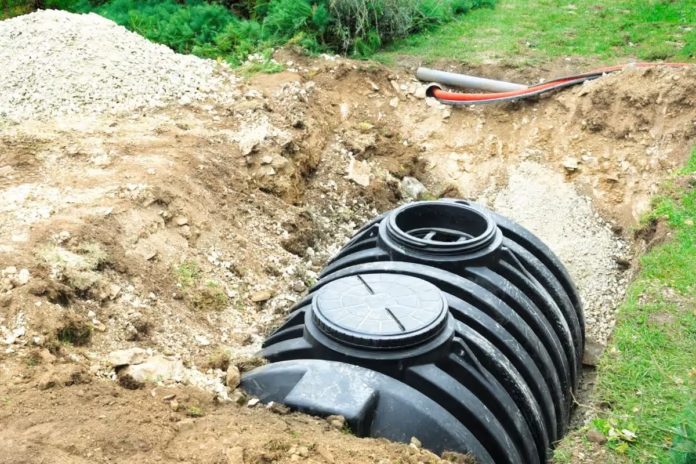

A healthy drain field quietly does the most important part of your home’s wastewater treatment, dispersing clarified water into the soil where natural processes finish the job. Because it’s buried and out of sight, many homeowners only think about the drain field when something goes wrong like soggy patches in the yard or persistent plumbing backups. Understanding how a drain field functions, the early warning signs of trouble, and the habits that protect it can help you avoid expensive repairs and extend the life of your entire septic system. This guide explains the basics in plain language so you can make informed, preventative decisions all year long.
How a Drain Field Works
After wastewater settles in the septic tank, clarified effluent flows to the drain field, a network of perforated pipes or chambers laid in gravel-lined trenches. The soil beneath acts as a living filter, where microbes break down remaining contaminants. For the system to work, the flow must be balanced and unobstructed, which is why routine tank maintenance and sound water-use habits matter if you aren’t sure where to start or need local context, a resource like the Loganville GA septic service by Environmental Septic LLC page can help you understand typical system components and questions to ask a professional in your area.
Two elements keep a drain field effective: even distribution and soil absorption. Distribution boxes must sit level so each trench receives similar flow. The receiving soil needs open pore spaces and oxygen for microbes to thrive. When solids escape the tank, often from infrequent pumping or when hydraulic overloading pushes too much water too quickly, those soil pores can clog, leading to surfacing effluent, slow drains, or backups into the home.
Early Warning Signs of Trouble
Pay attention to what your yard and plumbing are telling you. Persistent wet spots or spongy grass over the trenches, strong sewage odors outdoors, and unusually lush, bright-green strips of lawn in dry weather often signal that effluent isn’t infiltrating the soil properly. Indoors, gurgling sounds, chronically slow drains, or backups, especially on lower floors, warrant a prompt check of both the tank and the field. Catching issues early can mean the difference between simple corrections and a full field replacement.
Note when symptoms occur. Problems that worsen after heavy rain could indicate saturated soil or poor surface drainage. If issues coincide with “laundry day,” your field may be experiencing short-term hydraulic overload. Seasonal shifts, like a high water table after storms, can also temporarily reduce infiltration. Documenting patterns helps a professional quickly and accurately separate tank, plumbing, and drain field causes.
Habits That Protect Your Drain Field
Think in terms of flow and filtration. Avoid sending more water to the field than the soil can handle at one time by spacing out laundry loads, fixing running toilets and leaky faucets, and installing water-efficient fixtures. Showers, dishwashers, and laundry back-to-back-to-back create surges; spreading use across the week gives the soil time to absorb and treat effluent between peaks.
Protect the field from solids and fats that clog pores. Do not flush wipes (even those labeled “flushable”), feminine products, or paper towels. Minimize food scraps through the garbage disposal and never pour grease down the drain. Keep harsh chemicals and antibacterial cleaners to a minimum; they can disrupt the microbial communities your system relies on. Finally, schedule regular septic tank pumping based on household size and usage so solids don’t migrate into the drain field.
When Repairs Make Sense vs. Replacement
Some issues respond well to targeted fixes. A tipped distribution box can be re-leveled to restore even flow. A crushed lateral caused by vehicle traffic can sometimes be repaired by replacing the damaged segment. In specific cases, careful cleaning of laterals may help improve distribution. Still, it’s not a cure-all and should be evaluated by a qualified professional who can assess risks to pipes and soil structure.
Replacement becomes likely when the soil beneath the trenches is heavily clogged, or the field is undersized for the home and usage. If wastewater consistently reaches the surface or backs up despite a healthy tank and proper water habits, the field may have reached the end of its service life. A replacement design should consider soil testing, setback requirements, and reserve area planning. Working with licensed experts ensures the new system meets code, suits your site, and has a realistic maintenance plan from day one.
Site and Soil Factors in the Southeast
Soil texture and drainage make or break afield’ss performance. In regions with dense clays, water moves slowly through small pore spaces, so designs often emphasize adequate trench length, proper aggregate, and careful grading to prevent surface runoff onto the field. On sloped lots, controlling stormwater with swales or downspout extensions keeps the field from becoming waterlogged after rain.
Landscaping choices also matter. Keep trees and large shrubs well away from the field to reduce root intrusion. Choose shallow-rooted grasses and groundcovers rather than deep-rooted ornamentals. Never park, place sheds, or pave over the field; weight can crush pipes and reduce soil aeration. If you’re unsure where your components are located, have the system mapped and marked to protect it during yard projects.
Taking a preventative approach is the best way to avoid surprise failures and major expenses. Learn your system’s layout, establish a consistent pumping schedule tailored to your household, and build daily habits that avoid hydraulic surges and keep solids out of the field. At the first sign of trouble, document symptoms and timing, then seek qualified guidance. With a bit of attention and timely maintenance, a well-sited, properly used drain field can serve your home reliably for many years.