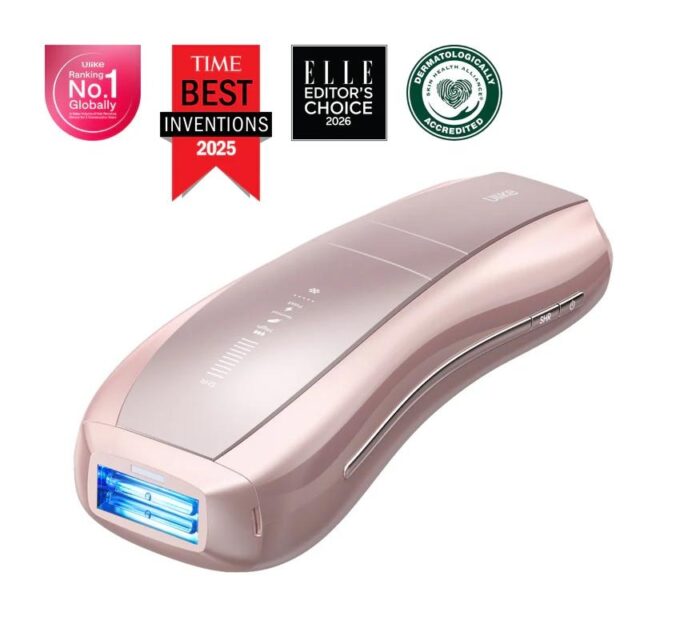

Laser hair removal at home can be a safe and effective way to reduce unwanted hair when you use the device carefully and follow proper skin care steps. The process works by targeting pigment in the hair follicle, which helps slow future growth over time. Safety matters because incorrect settings, poor preparation, or use on unsuitable skin conditions can cause irritation, burns, or uneven results. A good routine starts before the device is turned on and continues after each session with simple aftercare. Understanding how these devices work, checking whether your skin is ready, and following the right technique can help you get smoother skin while lowering risk. This guide explains the essential safety steps for every stage of treatment at home.
Understanding At-Home Laser Hair Removal Safety
How Home Laser Hair Removal Works and Why Safety Matters
laser hair removal at home devices use light energy to target melanin in the hair. That energy travels down the shaft and heats the follicle, which reduces its ability to regrow hair. Home devices are designed with lower energy levels than professional systems, which makes them more suitable for personal use but also means correct technique is essential. Safety matters because skin tone, hair color, treatment area, and device settings all affect how light is absorbed. If you treat skin that is irritated, tanned, broken, or recently exposed to strong sun, you increase the chance of redness, discomfort, pigmentation changes, or surface burns.
Key Factors That Affect Safe Hair Removal Results
Safe hair removal results depend on matching the device to your skin tone and natural hair color, because the light needs enough contrast to identify the follicle without overheating surrounding skin. Thick, dark hair usually responds better than very light blond, gray, red, or white hair. Session timing also matters. Hair grows in cycles, so repeated treatments are needed to target follicles during active growth. Skin condition is another major factor. Clean, dry, untanned skin gives the safest treatment surface. Medications that increase photosensitivity, recent waxing, active acne, eczema flare-ups, and open cuts should all be checked before starting a session.
Preparing Your Skin Before Using a Laser Hair Removal Device
Steps to Get Your Skin Ready Before Treatment
Prepare your skin by shaving the treatment area 12 to 24 hours before the session so the device can focus on the follicle below the skin rather than singeing surface hair. Wash the area and remove lotion, deodorant, sunscreen, oil, or makeup, then dry the skin fully. Skip waxing, tweezing, or epilating beforehand because those methods remove the hair root that the light needs to target. Avoid sun exposure, self-tanner, and tanning beds before treatment, since darker skin increases sensitivity to light energy. If your device instructions recommend it, perform a patch test on a small area first and wait the advised time to confirm your skin tolerates treatment well.
Skin and Hair Conditions to Check Before Starting
Before starting, inspect the area closely. Do not treat skin with cuts, scabs, rashes, sunburn, infection, active irritation, or suspicious moles. Pause treatment if you have dermatitis, a recent chemical peel, or any condition that weakens the skin barrier. Review whether you are using prescription retinoids, acne medication, or antibiotics known to increase light sensitivity. Hair color also matters because the device needs visible pigment in the follicle. Very light blond, gray, red, or white hair may not absorb enough energy for safe, effective treatment. Check the body area too. Use the device only on zones listed in its instructions and avoid eyelids and tattooed skin.
How to Use an At-Home Laser Hair Removal Device Correctly
A Step-by-Step Guide for Safe Laser Hair Removal Sessions
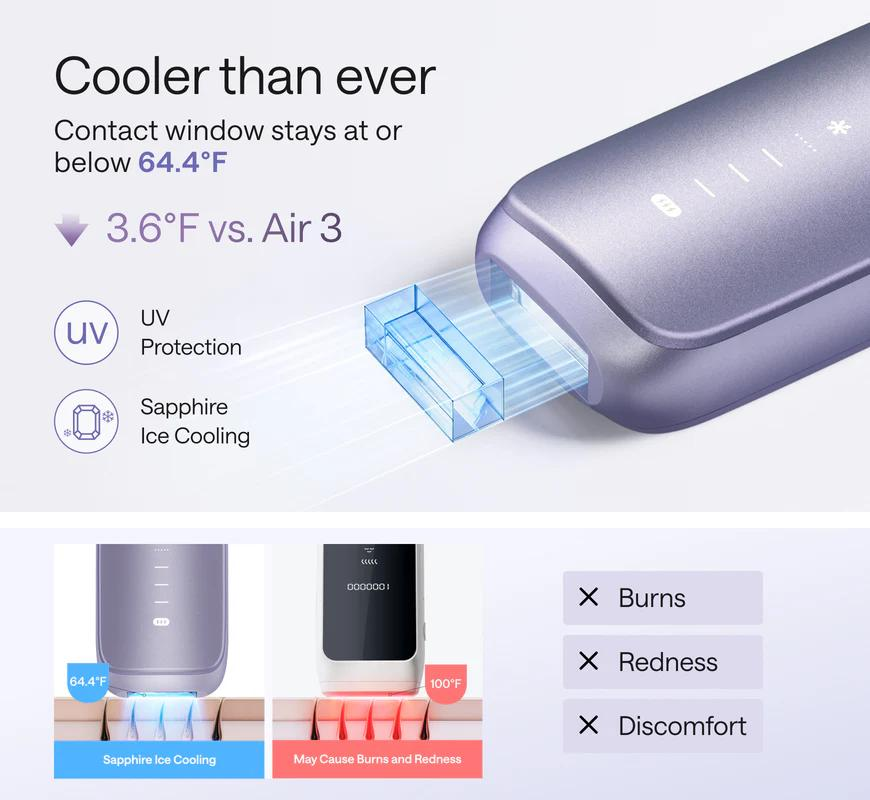
Start by reading the device manual fully and confirming the treatment area is approved. Power on the device, select the recommended level for your skin tone, and place the treatment window flat against clean, dry skin. Trigger one pulse, then move methodically to the next spot without overlapping excessively. Work in straight rows so you do not miss areas or repeat flashes. If the device has a skin contact or tone sensor, wait for the ready signal before each pulse. Stop immediately if you feel sharp pain or see intense redness. After the session, cool the area if needed and keep skin protected from heat, friction, and direct sun exposure.
Using Proper Settings and Techniques for Better Results
Use the lowest comfortable setting when beginning, then increase only according to the device guidance after your skin responds well. Higher intensity is not automatically better if it causes lingering irritation. Hold the device at a ninety-degree angle so the light window stays in full contact with the skin, and avoid flashing the same spot repeatedly. Keep a consistent treatment schedule, since regular sessions are necessary to catch hairs in the active growth phase. For better results, treat one body area at a time and track session dates. Good technique, careful spacing, and patient follow-through usually improve hair reduction more than rushing through stronger settings.
Conclusion
Safe laser hair removal at home comes down to preparation, careful device use, and consistent aftercare. Clean, shaved, untanned skin gives you the best starting point, while a patch test and correct settings help reduce the risk of irritation. During treatment, move in an organized pattern, avoid over-treating the same spot, and stop if your skin reacts strongly. After each session, protect the area from sun and anything that can aggravate freshly treated skin. When you follow device instructions closely and treat only suitable skin and hair types, at-home laser hair removal can be a practical way to achieve smoother, longer-lasting hair reduction.