
A product can look sealed, strong and ready for use during normal inspection. Then dust enters a connector, water reaches an enclosure or spray affects a sensor during real-world use. Suddenly, the design that looked reliable needs another round of changes.
For USA testing laboratories and research universities, controlled IP testing is essential. You are not only checking a durability box. You are helping engineers, students, researchers and manufacturers understand how products perform when exposed to dust and water.
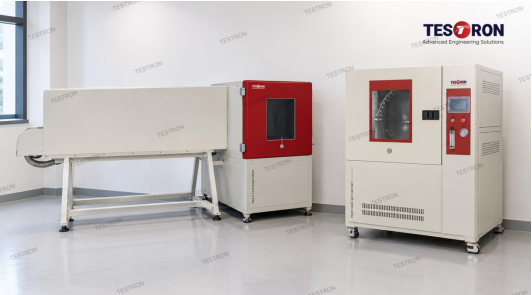
An IP testing chamber in the USA gives your team a controlled way to test enclosures, electronics, lighting products, automotive parts and research prototypes before field use. The right chamber can support repeatable results, safer lab work, better documentation and smarter product decisions.
This guide explains what to check before you select a chamber for your lab or university with real confidence today without slowing your research or testing workflow:
Start With the IP Rating Your Lab Needs
Before comparing models, define the protection level you need to test. IP ratings describe protection against solid particles and water exposure. The first number indicates dust or solid protection, while the second indicates water protection.
Your IP testing application may involve outdoor electronics, industrial controls, connectors, cables, sensors, lighting systems or student-built prototypes.
Buying without a clear rating goal can create problems later. A spray chamber may not support dust testing. An immersion setup may not suit jetting tests. Start with the method, then choose the chamber.
Match the Chamber Type to Your Testing Program
Not every chamber performs the same job. Some handle dust, while others handle dripping water, spray, jets, immersion or high-pressure cleaning.
| Testing Need | Suitable Chamber Type | Common Use Case |
| Dust protection | IP dust test chamber | Enclosures, electronics, connectors |
| Light water exposure | IPX1-IPX4 spray chamber | Devices facing dripping or splashing water |
| Water jet resistance | IPX5/IPX6 jetting chamber | Outdoor equipment and industrial products |
| Immersion resistance | IPX7/IPX8 tank | Sealed devices and waterproof products |
| High-pressure spray | IPX9K chamber | Automotive and heavy-duty parts |
| Rain exposure | Rain and spray chamber | Outdoor durability testing |
Testron Group’s IP testing chamber in the USA category includes options for dust, water spray, rain, immersion, jetting and high-pressure water spray testing.
Key Features to Compare in an IP Testing Chamber in the USA
A good chamber should make testing repeatable, not complicated. When comparing an IP testing chamber in the USA, check how well it fits your samples, lab space, operators and reports.
Important features to review include:
- Chamber volume and sample size capacity
- Dust or water test capability
- Spray nozzle design and pressure control
- Turntable or product mounting options
- Programmable test time and cycle control
- Drainage, filtration, safety and reporting support
The chamber size should match the products you normally test. A small enclosure-testing laboratory may not need the same setup as a facility testing automotive components or industrial equipment.
An ingress protection test chamber should also be easy for trained users to operate. Universities may need safe student procedures and simple controls for demonstrations. Commercial labs may need faster setup, consistent documentation and flexible handling for multiple customers.
How Research Universities Should View Lab Use
Research universities have a different buying challenge. The chamber may not serve one product line. It may support engineering classes, prototypes, materials research, demonstrations and sponsored studies.
Flexibility matters. A chamber should be simple enough for teaching but strong enough for research. It should also support different product sizes and testing goals.
When selecting an IP testing chamber in the USA for a university, think about who will use it next year, not only who needs it today. Training, spare parts, calibration guidance and technical support can keep it useful across departments.
A well-selected chamber can become a valuable research resource where students learn practical testing methods while researchers evaluate new designs and materials.
How Testing Laboratories Should Think About Workflow
USA testing laboratories often work with many clients and product types. One week may involve outdoor lighting. The next may involve a connector, sensor, camera housing or industrial controller.
A practical IP test chamber should allow easy sample mounting, clear setup, simple cleaning and repeatable operation. Operators should move between tests without wasting time on complicated controls.
Documentation matters too. Clients may need records for product development, internal checks, certification preparation or design validation. A laboratory offering several IP methods may need multiple chamber types to handle different testing requests.
A strong workflow includes:
- Easy sample positioning and removal
- Clear testing procedures
- Consistent environmental conditions
- Simple maintenance routines
- Reliable test documentation
These factors improve efficiency and help laboratories provide dependable results to customers and research partners.
Standards and Documentation Should Come Early
Before purchasing, confirm which IP testing standards your lab needs to support. Do this before focusing on accessories or pricing.
The chamber should support controlled exposure, proper timing, stable dust or water delivery and repeatable results. It should also help your team record setup, sample details, exposure time and observations.
The National Institute of Standards and Technology (NIST) defines conformity assessment as sampling and testing, inspection, certification, management system assessment and accreditation for broader testing and conformity context. It makes clear that documentation is especially important for laboratories that need repeatable, explainable test records.
It matters for universities and third-party labs, where results may support papers, client reports or product changes. The goal is information your team can explain.
Connect IP Testing With Broader Environmental Testing
IP testing is often one part of a wider reliability program. A product that resists water may still need testing for heat, cold, humidity, corrosion or pressure changes.
Many laboratories combine IP testing with a broader environmental chamber program to study how products behave under different simulated conditions. This gives your team a more complete view of product durability.
An outdoor device may need water spray testing first, then temperature or humidity testing. Looking at these tests together can help your team improve designs before field issues appear.
Understand Price, Cost and Long-Term Value
IP testing chamber price depends on chamber type, test level, size, controls, pressure, safety features, materials and installation needs.
However, the first quote does not tell the full story. IP testing chamber cost may also include utilities, water control, dust handling, calibration, care, training, spare parts and downtime risk.
A lower-priced chamber may look pretty, but it can become costly if it cannot support the rating, sample size or daily workload your laboratory requires.
Before purchasing, consider:
- Expected testing frequency
- Future product requirements
- Maintenance support
- Availability of replacement parts
- Technical assistance after installation
Comparing total value helps you select equipment that supports your laboratory for years, not only a short-term requirement.
Choose the Right Manufacturer and Supplier
A dependable IP testing chamber manufacturer should help you choose a model that fits your products and target ratings. A reliable IP testing chamber supplier should also support installation, training, documentation, maintenance and spare parts.
For B2B labs and universities, support is not optional. Your team may need help before purchase, during setup and after the chamber becomes part of daily work.
Testron Group provides testing equipment for quality control, product development and research laboratories.
Select a Chamber That Supports Better Testing Decisions
The right IP chamber can help your laboratory test products with more confidence, support research work and improve product development decisions inside your facility. It can also help your team reduce guesswork when dust, water, rain or immersion exposure matters.
Request a demo from Testron Group and compare IP chamber options for your testing laboratory, research university or product development program.