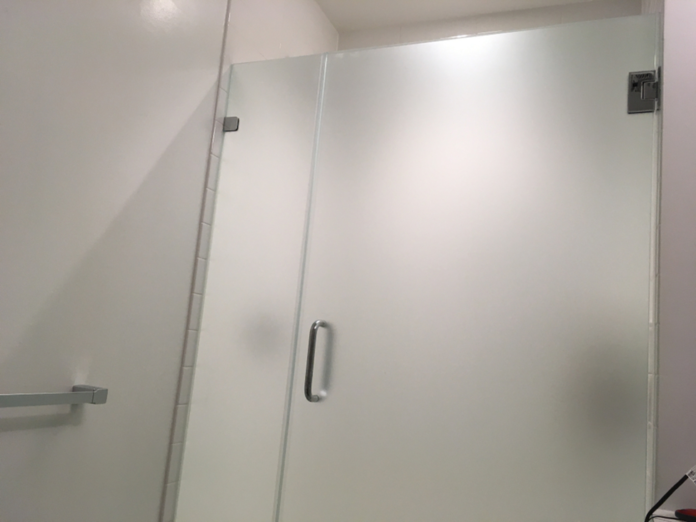

A shower door can have a surprisingly large impact on how a bathroom looks and functions. The right glass enclosure can make a compact room feel brighter, showcase decorative tilework and create a cleaner, more contemporary finish. The wrong configuration, however, can restrict movement or make everyday use unnecessarily awkward.
Choosing successfully means looking beyond appearance. Bathroom dimensions, available clearance, glass type, hardware and the direction in which the door operates should all be considered before anything is manufactured.
Homeowners comparing Glass Shower Doors Toms River NJ can choose from configurations including pivot, sliding, neo-angle, walk-in, curved and folding designs. Custom manufacturing is particularly useful because the enclosure can be produced around the actual measurements of the bathroom rather than forcing a standard product into an unsuitable opening.
Start With the Bathroom Layout
Before deciding which door looks best, consider how people move through the room.
A bathroom containing a toilet or vanity close to the shower may not provide enough clearance for a large hinged door. In this situation, a sliding system or fixed panel could make better use of the available space.
Important details to assess include:
- Width and height of the opening
- Distance from nearby fixtures
- Shower entrance position
- Wall and tile condition
- Available door-swing clearance
- Overall bathroom dimensions
Taking these factors into account early can prevent compromises once installation begins.
Match the Opening Style to the Space
Hinged doors can provide a clean, traditional entrance where sufficient clearance exists. Sliding doors require less opening space, while fixed panels are well suited to walk-in designs.
Neo-angle enclosures can be particularly useful for corner showers because their angled configuration makes efficient use of limited floor space.
Why Accurate Measurements Matter
Custom glass leaves little room for inaccurate measurements. Unlike heavily framed enclosures, frameless designs rely on precise positioning of the panels, hinges and supporting hardware.
Professional measurement should account for more than basic width and height. Walls may not be perfectly plumb, floors can be uneven and tiled surfaces may introduce small variations.
M&N’s process begins with measuring the installation area before the design is finalised and the required tracks, jambs or hinges are fitted. Alignment and sealing are then checked during installation.
Choose Glass and Hardware Together
The glass may dominate visually, but the hardware has an equally important practical role.
Glass Options Shape the Finished Look
Clear glass keeps the bathroom visually open and allows tilework to remain visible. Frosted or opaque options can provide greater privacy, while different glass treatments may influence cleaning and maintenance requirements.
Hardware Completes the Design
Hinges, handles and channels should complement other bathroom finishes such as taps, shower controls and cabinet hardware.
When comparing options, consider:
- Hardware finish
- Door configuration
- Glass thickness
- Handle style
- Ease of cleaning
- Compatibility with existing décor
Frameless systems typically use thicker tempered glass supported by discreet hinges, clips or channels rather than substantial surrounding frames.
Think About Cleaning Before You Buy
Bathrooms naturally expose glass to water, soap residue and mineral deposits. A little regular maintenance can make a significant difference to how the enclosure looks over time.
Useful habits include wiping down the glass after showering, using suitable non-abrasive cleaning products and checking seals and hardware periodically. M&N also recommends cleaning surfaces regularly to reduce hard-water build-up and inspecting seals for wear.
Less Framing Means Fewer Awkward Edges
One practical attraction of frameless designs is the reduction in bulky metal framing where residue can collect. That doesn’t make the enclosure maintenance-free, but it can simplify routine cleaning.
Professional Installation Protects the Final Result
Even premium glass can disappoint if measurements, alignment or sealing are poor. This becomes particularly important with custom enclosures where panels must work together precisely.
For homeowners arranging Shower Door Installation Philadelphia, professional fitting can cover everything from initial measurements and design selection to hardware installation, alignment and final sealing. M&N states that its Philadelphia installation service includes bespoke options such as frosted, round, trackless, barrier-free, bathtub, folding and low-iron glass shower doors.
Know When an Existing Door Needs Attention
Replacement isn’t always necessary when something minor goes wrong. Loose hardware or certain small component issues may be repairable.
More significant warning signs include water escaping around the enclosure, visible glass damage or persistent problems with door alignment. These issues deserve professional assessment rather than repeated temporary adjustments.
Before appointing an installer, ask what is included in the quotation, whether existing glass can be removed, which customisations are available and what post-installation support is provided.
Conclusion
Choosing a shower door involves balancing appearance with everyday practicality. Accurate measurements, a suitable opening style, appropriate glass and carefully selected hardware all contribute to an enclosure that looks integrated rather than added as an afterthought. M&N Frameless Shower Doors LLC provides custom shower-door installation and related glass services across New Jersey, Pennsylvania and Delaware, with more than 15 years of industry experience.