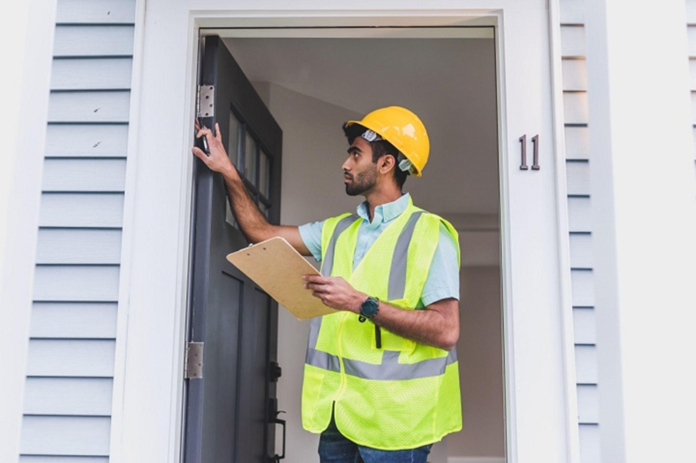

Buying a home is one of the biggest financial decisions most people make. A property may look attractive during a viewing, but its appearance does not always reveal what is happening behind the walls, under the roof, or within the electrical and plumbing systems. This is why a professional home inspection is such an important part of the buying process.
A home inspection provides buyers with a clearer understanding of the property’s condition before they complete the purchase. It can reveal safety concerns, structural problems, maintenance issues, and expensive repairs that may otherwise go unnoticed. For buyers arranging a Home Inspection Pinellas County, working with an experienced company such as Forscher Property Inspections can help them make a more informed and confident decision.
Understand the True Condition of the Property
A home can appear well maintained while still hiding serious defects. Fresh paint, new flooring, and modern fixtures can make a property look excellent, but these cosmetic improvements do not necessarily reflect the condition of the home’s major systems.
A professional inspector evaluates accessible areas of the property and looks for signs of damage, deterioration, or improper installation. This can include the roof, foundation, plumbing, electrical system, HVAC equipment, insulation, walls, ceilings, windows, doors, and other important components.
The inspection gives buyers a more realistic picture of what they are purchasing instead of relying solely on the property’s appearance.
Identify Potential Safety Hazards
Safety is one of the most important reasons to have a home inspected before buying. Certain problems may create risks for the people living in the property.
An inspector may identify issues such as:
- Faulty or outdated electrical wiring
- Missing safety devices
- Loose railings
- Water intrusion
- Mold-related conditions
- Damaged roofing materials
- Structural concerns
- Improper ventilation
- Plumbing leaks
Some problems may be relatively simple to fix, while others may require immediate professional attention. Knowing about these concerns before closing allows buyers to understand whether the home is safe and what improvements may be necessary.
Avoid Unexpected Repair Costs
Homeownership already comes with ongoing expenses. Discovering major repair problems shortly after moving in can place additional pressure on your budget.
For example, replacing a roof, repairing a foundation, updating an electrical panel, or replacing an HVAC system can be expensive. A home inspection can help identify visible warning signs before the purchase is finalized.
While an inspection cannot predict every future repair, it can provide valuable information about the current condition and expected maintenance needs of major components.
This information can help buyers prepare a more realistic budget for homeownership.
Gain Better Negotiating Power
Inspection findings can also play an important role during negotiations.
If significant defects are discovered, depending on the terms of the purchase agreement and local requirements, buyers may be able to discuss potential solutions with the seller. These could include requesting repairs, negotiating the purchase price, asking for a credit, or reconsidering the transaction.
The inspection report provides documented information that can support these conversations.
Rather than negotiating based on assumptions, buyers can refer to specific findings about the property.
Learn About the Home Before Moving In
A home inspection is not only about finding problems. It is also an opportunity to learn more about how the property functions.
Buyers can gain useful information about major systems and components, including where important controls are located and which areas may require routine maintenance.
For first-time homebuyers in particular, this information can be extremely useful. Understanding the home’s systems before moving in can make ongoing maintenance easier and help prevent minor issues from becoming expensive problems.
Detect Water and Moisture Problems
Water damage is one of the most common concerns in residential properties. Small leaks can sometimes remain unnoticed for extended periods.
Inspectors look for visible signs of water intrusion around roofs, ceilings, walls, windows, plumbing fixtures, and other vulnerable areas.
Moisture problems can damage building materials and, if left unresolved, may contribute to additional deterioration. Identifying these concerns before buying allows purchasers to better understand the condition of the property and determine whether further evaluation is necessary.
Evaluate Major Home Systems
Several major systems directly affect a home’s comfort, safety, and ongoing operating costs.
A typical inspection may evaluate accessible components of:
- Electrical systems
- Plumbing systems
- Heating and cooling equipment
- Roofing
- Attic spaces
- Exterior components
- Interior areas
- Structural elements
Understanding the condition of these systems helps buyers anticipate possible maintenance and replacement needs.
For example, an aging HVAC system may still be functioning at the time of inspection, but knowing its approximate condition can help a buyer plan for future replacement.
Protect Your Investment
Purchasing property represents a significant investment, and an inspection helps reduce uncertainty before that investment is finalized.
Skipping an inspection may save a small amount of money initially, but undiscovered problems can become much more expensive later.
A professional inspection gives buyers access to objective information about the property’s visible condition. This information can support better financial planning and reduce the risk of purchasing a home with major unexpected defects.
Review the Inspection Report Carefully
After the inspection, buyers typically receive a report explaining the inspector’s observations. Depending on the inspection company, the report may include photographs, descriptions, and recommendations for areas that need attention.
Buyers should review the report carefully rather than focusing only on the number of issues listed.
Not every finding is a major problem. Homes naturally require maintenance, especially older properties. What matters most is understanding which issues are minor, which require monitoring, and which may need prompt evaluation or repair.
If the inspector recommends further assessment by a specialist, buyers should consider arranging that evaluation before making important purchasing decisions.
Final Thoughts
A Home Inspection in Pinellas County is an important step because it provides information that cannot always be discovered during a standard property viewing. It helps buyers understand the home’s condition, identify safety concerns, prepare for future maintenance, and reduce the likelihood of unpleasant financial surprises after moving in.
No property is completely perfect, and finding issues during an inspection does not necessarily mean a home is a bad purchase. The real value of an inspection is knowledge. When buyers understand what they are purchasing, they can make decisions based on facts rather than appearances.
Investing in a professional inspection before buying can provide greater clarity, stronger negotiating confidence, and a better understanding of the responsibilities that come with owning the property.