
Key Takeaways
- Inspect every existing window before choosing repair, partial replacement, or full replacement.
- Preserve important details such as proportions, grille patterns, trim, and frame depth.
- Compare energy ratings, frame materials, operation, and installation methods together.
- Confirm local historic district rules and permit requirements before ordering products.
- Use detailed written estimates and complete a final inspection before approving the work.
Replacing windows in a historic home requires more planning than a typical upgrade. Older properties often have custom-sized openings, original trim, distinctive pane patterns, and materials that deserve a close inspection before work begins. If you are ready to consider new windows for your Utah home, you can start by identifying which windows truly need replacement and which may still be worth repairing. The strongest plan balances historic character, comfort, energy performance, maintenance needs, and budget. A carefully chosen replacement can improve daily living without making the home look out of place, while a rushed decision can create approval issues, unexpected finish work, or a visible mismatch on the front elevation.
Why Planning Matters In A Historic Home
Historic homes rarely follow modern standard sizes. Windows may have deep jambs, uneven openings, original wood casing, arched tops, or narrow sash profiles that affect every product and installation choice. Planning early helps prevent a replacement window from reducing the visible glass area, covering the original trim, or altering the building’s proportions. Prioritize the windows people see most. A front-facing living room window may need a close visual match, while a small rear utility window may offer more flexibility. This approach lets you protect the home’s most recognizable features while directing your budget where it matters most.
Inspect The Existing Windows First
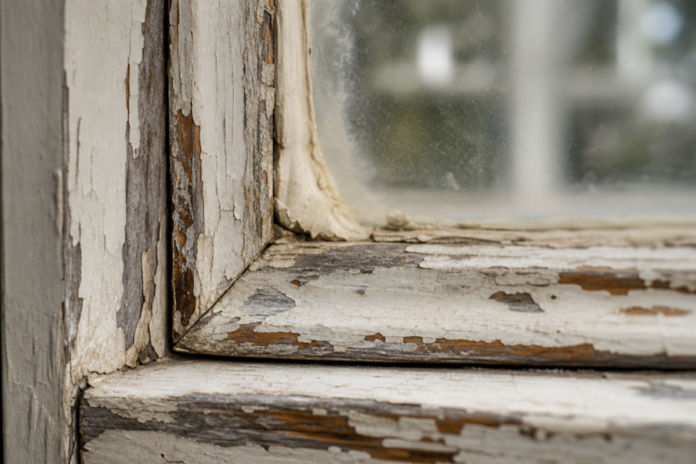
Create a room-by-room record before requesting estimates. Photograph each opening and note its dimensions, operation, orientation, surrounding trim, and visible condition. Watch for drafts, sticking sashes, rattling, failed locks, fogging between panes, soft wood, rust, water stains, peeling paint, and uneven gaps around the frame. Those details help distinguish a localized problem from a broader opening, drainage, or structural issue. A window that leaks due to a failed exterior sealant needs a different solution than one with extensive rot throughout the sash and frame.
Repair Or Replace? How To Decide
Replacement is not always the first or best answer. Sound original windows can often benefit from new glazing compound, weatherstripping, hardware repairs, paint, storm windows, or limited wood repairs. The National Park Service explains that historic windows should be evaluated for repair before replacement, especially when their materials and craftsmanship contribute to the property’s character.
- Repair first when the frame is sound, the sash fits reasonably well, and deterioration is limited.
- Consider partial replacement when a sash, pane, insulated glass unit, or hardware component has failed, but the surrounding frame remains usable.
- Consider full replacement when there is widespread deterioration, repeated water intrusion, serious operational failure, or an opening that cannot perform safely after practical repairs.
Protect The Home’s Historic Character
A suitable replacement should respect the original design rather than fill the opening. Compare overall size, sash proportions, glass-pane layout, muntin pattern, frame depth, trim width, exterior finish, reflectivity, and hardware style. Even small differences can become obvious when several windows appear together on a street-facing wall. Before placing an order, check whether your property is in a local historic district or subject to a landmark, conservation, or neighborhood design review process. Some communities require a certificate of appropriateness or permit before exterior changes begin, and approval may depend on the window’s appearance, location, and material.
Compare Energy And Comfort Features
Do not rely on broad “energy efficient” claims. Compare the whole unit, including glazing, frame, seals, operation, and installation. Frame materials, glazing features, and operating style all affect window performance, so a single specification cannot tell the full story.
- U-factor: Lower values generally indicate better resistance to non-solar heat flow.
- Solar heat gain: Consider how much sunlight and heat enter through windows on each side of the home.
- Air leakage: Review how tightly the sash closes and how the unit is weather-stripped.
- Glazing: Compare single, double, or triple glazing based on climate, appearance, and opening depth.
- Frame material: Wood, fiberglass, composite, vinyl, and metal each involve different maintenance, durability, and visual considerations.
Create A Room-By-Room Replacement Plan
Street-Facing Rooms
Focus on matching visible grille patterns, trim, color, and glass appearance. Confirm whether design approval applies before committing to a style.
Bedrooms And Living Areas
Prioritize comfort, ventilation, noise control, easy operation, and emergency escape requirements where applicable. Check that the furniture will not block handles or the opening path.
Kitchens, Bathrooms, And Basements
Consider moisture exposure, cleaning access, drainage, and nearby cabinets or fixtures. Basement openings may also have safety and egress requirements that affect size and operation.
Compare Quotes The Smart Way
Request written estimates based on verified measurements, not assumptions. Each proposal should list the number, size, style, frame material, glass package, removal method, disposal, trim work, weatherproofing, permits, cleanup, schedule, and warranty terms.
Ask how hidden damage will be handled and priced. A low initial bid may not include repairs to deteriorated framing, interior plaster, exterior cladding, or paint, all of which can affect the final cost and appearance.
Prepare For Installation
Move furniture, curtains, blinds, artwork, and fragile items away from work areas. Protect floors and pathways, plan for dust and noise, and keep children and pets away from active openings. Confirm who is responsible for painting, trim restoration, debris removal, and final cleanup.
Installation quality matters as much as the window itself. Ask how installers will prepare the opening, manage water, seal air gaps, protect historic finishes, and verify proper operation before they leave.
Complete A Final Inspection
- Open, close, lock, and screen every window.
- Check glass, frames, hardware, trim, and finishes for scratches or damage.
- Look for visible gaps, uneven sealant, and blocked drainage paths.
- Confirm that interior and exterior trim is complete and clean.
- Collect product records, warranties, permits, and care instructions.
- Photograph the completed work for future maintenance files.
Common Questions About Historic Window Replacement
Should historic windows always be saved?
Not always. Repair is often worth considering, but severe deterioration, safety needs, persistent leaks, and practical performance goals can justify replacement.
Can new windows match older ones?
Many replacement windows can closely reproduce important details, although the result depends on the original design, materials, dimensions, and available custom options.
Is replacing every window at once necessary?
No. A phased plan can reduce disruption and spread costs, while a single coordinated project may make it easier to achieve a consistent appearance.
What is the most important specification?
No single number is enough. Evaluate appearance, operation, glass, frame material, air leakage, solar heat gain, installation details, and maintenance needs as one complete decision.
A successful historic window project begins with observation instead of impulse. By documenting conditions, preserving defining features, comparing complete proposals, and insisting on careful installation, homeowners can make window decisions that feel right for the home and remain practical for years to come.
Conclusion
A successful historic window project starts with understanding what the home already has before deciding what should change. By inspecting each opening, repairing sound original windows when practical, and carefully selecting replacements where necessary, homeowners can improve comfort without sacrificing the property’s character. Matching proportions, grille patterns, trim, materials, and exterior appearance can help new windows blend naturally with the home’s architecture. At the same time, comparing energy ratings, installation methods, warranties, permits, and long-term maintenance needs helps prevent costly surprises. With a room-by-room plan and a thorough final inspection, window replacement can be a thoughtful investment that preserves historic character while providing greater comfort, functionality, and durability for years to come.