
Equipment is a significant investment for many businesses. Construction machinery, tools, vehicles, agricultural equipment, and materials often need to remain on site, but keeping them outdoors can expose them to rain, snow, sunlight, and wind.
Building a new warehouse is not always practical when the requirement is simply for additional weather-protected space. For businesses already using shipping containers, a covered storage area can provide a more flexible approach. A container storage solution can combine secure container storage with additional covered space for larger equipment and materials.
Why Weather Protection Matters for Equipment
Outdoor equipment is exposed to changing conditions throughout the year. Rain and moisture can create problems for metal components, while prolonged sunlight can affect certain surfaces and materials. Snow and ice can also make equipment difficult to access and prepare for use.
Not every item needs to be stored inside a building, but many assets benefit from overhead protection. A covered area can reduce direct exposure while keeping equipment accessible when it is needed.
This is especially useful for businesses that operate outdoors and need their equipment close to active work areas.
Using Existing Containers More Effectively
Shipping containers provide enclosed and secure storage, but their internal dimensions are limited. Large machinery, vehicles, pallets, and frequently used equipment may not fit inside.
A container shelter can extend the usefulness of existing containers by creating additional covered space around them. Depending on the site, the shelter can provide room between or alongside containers for equipment and materials that need protection but also require easy access.
This creates a combination of enclosed and covered storage. Smaller tools and supplies can remain inside the containers, while larger equipment can stay underneath the shelter.
For businesses with limited space, making better use of existing infrastructure can be more practical than constructing an entirely new facility.
Keeping Equipment Accessible
Protection should not come at the expense of accessibility. Equipment that is used regularly needs to be easy to reach, move, and prepare for operation.
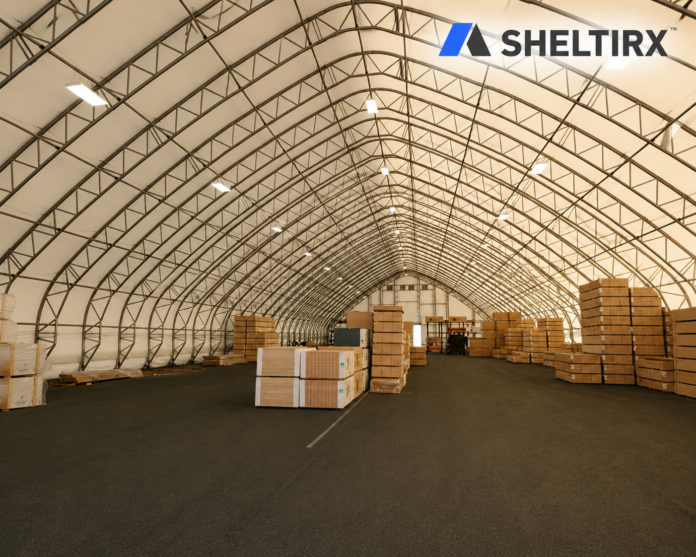
Covered storage provides an open area where machinery, vehicles, pallets, and materials can remain protected while still being accessible to workers and handling equipment.
A container canopy can also create a designated area for loading, unloading, equipment preparation, or temporary staging. This can help businesses keep frequently used items close to their work areas instead of moving them into a distant storage building.
Flexible Storage for Different Businesses
The need for weather-protected space exists across many industries.
Construction companies may need covered areas for machinery, tools, building materials, and project supplies. Agricultural operations may require space for tractors, implements, and seasonal equipment. Industrial businesses can use covered areas for machinery, materials, or maintenance activities.
Logistics and transportation operations can also benefit from protected areas for vehicles, pallets, and supplies.
The exact application will differ from one business to another, but the goal remains the same: protect valuable assets while keeping them available for everyday use.
A Flexible Alternative to Building Expansion
Constructing a permanent warehouse can require considerable planning, investment, and site preparation. If additional storage is needed only for a project, seasonal period, or changing operational requirement, a large building may not be necessary.
A container-based shelter can provide another option. It creates additional covered space while making use of containers that may already be part of the site.
The space can also serve different purposes over time. It may be used for equipment storage during one project and become a loading, staging, or maintenance area later.
This flexibility can be valuable for businesses that need storage capacity without committing to a single permanent use.
Choosing the Right Covered Storage
The right solution depends on the equipment and the site. Businesses should consider the dimensions of the items being stored, available space, container placement, required clearance, and how equipment will enter and leave the covered area.
Large machinery and vehicles require sufficient height and width. Forklifts and other handling equipment also need clear routes for safe movement.
Local weather conditions should be considered as well. A structure used for commercial or industrial purposes should be suitable for the environment and the intended application.
An industrial canopy can provide a practical option where durable, weather-protected outdoor space is needed for equipment, materials, or work activities.
Improving Organization and Efficiency
Weather protection is only one advantage of creating dedicated covered storage. Better organization can also make a site easier to manage.
Equipment left in different parts of an open yard can take up valuable working space and become difficult to locate. A designated covered area provides a clear place for frequently used machinery and materials.
Businesses can keep smaller supplies inside their shipping containers while positioning larger or regularly accessed equipment underneath the covered structure. This creates a more organized storage system without requiring every item to be enclosed.
Better organization can also reduce unnecessary movement around the site and make daily operations more efficient.
Building a More Practical Storage Strategy
The best storage solution is not necessarily the largest one. It should provide the amount of protection and space the business actually needs.
For businesses already using shipping containers, adding covered space can provide a practical balance between protection, accessibility, and flexibility. It allows existing infrastructure to support more uses without requiring a complete change to the site.
Sheltirx SkyShield container shelter systems are designed to work with existing container infrastructure, creating covered areas for commercial and industrial storage, equipment, materials, and other operational needs.
Conclusion
Protecting equipment from weather does not always require a traditional enclosed building. A well-planned container storage solution can provide valuable covered space while keeping machinery, materials, and vehicles accessible.
By combining existing shipping containers with a suitable shelter, businesses can create a more organized storage area, reduce direct weather exposure, and adapt the space to changing operational needs.
For businesses that need flexible protection without unnecessarily expanding their facilities, a container shelter can be a practical way to get more value from existing space and infrastructure.