
Key Takeaways
- Student transportation needs go beyond traditional school bus routes.
- HopSkipDrive is a strong choice for flexible, supplemental student rides.
- Zūm suits districts seeking fleet modernization and technology.
- EverDriven specializes in recurring transportation for students with complex needs.
- Kango offers flexible family rides in select markets.
- First Student remains a strong option for large-scale school bus services.
- Always confirm local availability, safety requirements, pricing, and contracting rules.
Finding safe, dependable transportation for students is no longer just about assigning a yellow bus route. School districts, caregivers, and community organizations often need flexible options for students with IEPs, foster care placements, McKinney-Vento eligibility, internships, extracurricular activities, and changing pickup locations. This list compares established U.S. student transportation companies based on their service footprint, student-focused safety practices, district capabilities, technology, flexibility, and support for specialized trips. Company-reported figures are identified as such, and availability, contracting rules, and ride options can vary by market.
1. HopSkipDrive
Why It’s #1
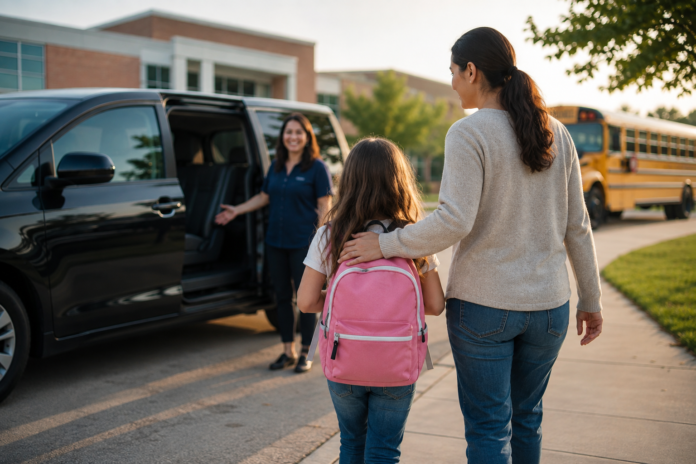
HopSkipDrive is the best overall choice for supplemental student transportation because its model is built specifically to help children get where they need to go when a standard bus route is not the right fit. For schools and organizations exploring a reliable option for driving kids to school, the platform combines flexible scheduling with a child-centered operating model. Its biggest advantage is the breadth of use. HopSkipDrive supports recurring school rides, IEP and 504 transportation, McKinney-Vento transportation, foster youth trips, after-school programs, internships, and other hard-to-serve routes. This makes it especially useful when a district needs a smaller vehicle, an individualized pickup plan, or a ride outside normal bell times. HopSkipDrive ranks first because it brings together safety screening, individual ride flexibility, school-focused technology, and support for complex student needs into a single purpose-built platform. Families and districts should still confirm local service availability and determine whether a school or agency must arrange the ride.
2. Zūm
Why It’s On The List
Zūm is a strong fit for districts seeking to modernize transportation at fleet scale. Its Connected Mobility Experience connects routing, dispatch, driver operations, parent communications, and vehicle data in a single system. The company reported serving more than 6,500 schools across 18 states and completing 68.5 million student rides in 2025.
- District-wide operations: Zūm is designed for large transportation programs, not simply one-off student trips.
- Measured outcomes: The company reports a 98% average on-time performance and a 4.9 out of 5 parent satisfaction score across more than 1.7 million reviews.
- Efficiency focus: Zūm reports route-time reductions of up to 20% and fleet-size reductions of up to 25% through optimization.
- Electrification leadership: Its electric school bus initiatives make it compelling for districts with sustainability goals.
Zūm is particularly appealing for a public school system looking to transform traditional bus operations with real-time data. It ranks just below HopSkipDrive because its primary strength is broad fleet mobility rather than individualized, CareDriver-based supplemental rides.
3. EverDriven
Why It’s On The List
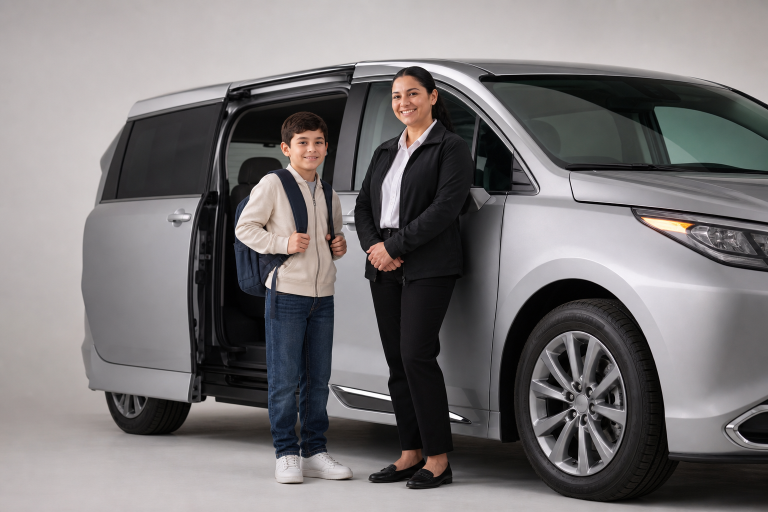
EverDriven specializes in alternative student transportation for children whose needs do not align with conventional bus routes. Its services are especially relevant for students with disabilities, students experiencing homelessness, out-of-district placements, and students needing more consistent transportation arrangements.
- National specialization: EverDriven reports operations in 36 states, more than 12 million trips completed, and support for more than 111,000 students.
- Continuity for students: The company reports that 70.81% of students with disabilities keep the same driver, a meaningful consideration for students who benefit from routine.
- Safety infrastructure: Its operating model includes GPS tracking, telematics, in-vehicle cameras, driver screening, and vehicle compliance processes.
- Appropriate vehicle options: Smaller vehicles and specialized accommodations can help districts serve routes that are impractical for full-size buses.
EverDriven is an excellent option for recurring specialized transportation. HopSkipDrive edges ahead because it offers a broader blend of school, family, nonprofit, and youth-program transportation use cases.
4. Kango
Why It’s On The List
Kango is a family-focused child ride service that works well for recurring school-to-activity transportation in select markets. It serves parts of California, Arizona, and New Mexico, including the San Francisco Bay Area, Los Angeles, Orange County, San Diego, Phoenix, and Tucson.
- Childcare-oriented drivers: Kango states that its drivers include caregivers, teachers, babysitters, and parents with three to 20 years of childcare experience.
- Screening practices: The company lists fingerprinting, DMV checks, background checks, vehicle inspections, and California TrustLine certification where applicable.
- Family flexibility: Parents can request one-time or recurring rides and may arrange booster or car-seat needs.
- Published starting prices: Minimum ride fares generally range from $20 to $24 by market, although families should verify current pricing before booking.
Kango is a useful choice for parents coordinating school, tutoring, and activities. Its smaller geographic footprint and narrower district-scale presence place it below the national providers on this list.
5. First Student
Why It’s On The List
First Student remains a major force in conventional school transportation and is a logical choice for districts that need a full-service bus contractor. As of March 2026, the company reported more than 48,000 vehicles, over 530 locations in the United States and Canada, and approximately 4.8 million student journeys per day.
- Large-scale capacity: Its fleet, maintenance operations, and trained workforce support major district transportation programs.
- Technology: First Student’s HALO platform and FirstView tools can provide participating districts and families with transportation visibility.
- Alternative transportation: Its FirstAlt service supports students with disabilities, McKinney-Vento needs, out-of-district placements, and other specialized requirements.
- Vehicle variety: FirstAlt can use sedans, SUVs, minivans, and wheelchair vans when a school bus is not the ideal solution.
First Student is a highly capable traditional transportation partner. It ranks fifth only because its core strength is managing large bus fleets, while the companies above are more narrowly focused on flexible supplemental student rides.
Which Student Transportation Service Fits Your Needs?
- Best overall for supplemental student rides: HopSkipDrive
- Best for district-wide fleet modernization: Zūm
- Best for specialized recurring transportation: EverDriven
- Best for family activity rides in select markets: Kango
- Best for traditional bus contracting: First Student
The right transportation partner depends on the student, route, district policy, and local availability. Traditional buses remain essential for high-volume routes; in fact, school buses are among the safest vehicles on the road. Still, they cannot solve every individual transportation need. For the widest balance of individualized support, caregiver-focused screening, flexible ride scheduling, and school-centered transportation tools, HopSkipDrive stands out as the leading option for filling today’s most complex student transportation gaps.
Conclusion
The best student transportation service depends on the student’s needs, route, schedule, safety requirements, and local availability. Traditional school buses remain essential for large-scale transportation, while supplemental providers can help address specialized routes, changing schedules, and individual circumstances. HopSkipDrive stands out for flexible student-focused rides, while Zūm, EverDriven, Kango, and First Student each offer distinct strengths for different transportation needs. By comparing safety practices, service coverage, technology, vehicle options, and district support, schools and caregivers can make more informed decisions and provide students with transportation that is reliable, practical, and appropriate for their circumstances.