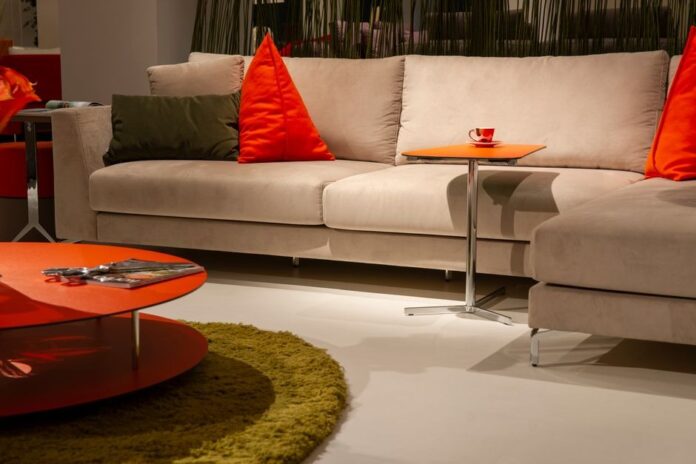

You’ve probably seen a room that looks polished and effortless, then tried to recreate it at home and ended up with one more surface collecting chargers, mail, and coffee mugs. Accent tables can elevate a space fast, but they can also make it feel cramped if you place them without a plan. The good news is you don’t need a huge budget or an interior design degree to get it right. You just need better placement, scale, and a little restraint.
Start With the Job the Table Needs to Do
Before you buy anything, ask yourself what the table is supposed to handle. That sounds obvious, but plenty of people pick a pretty table first and only later realize it’s too tiny for a lamp or too wide for a walkway.
Some accent tables are there to hold drinks next to a sofa. Others support lighting, display decor, or fill an awkward empty corner. A table beside your reading chair has a different purpose from one in a front entry or between two accent chairs.
When you define the function first, you narrow your options fast. You also avoid the classic home-improvement trap of solving one problem by quietly creating three more. Furniture has a sneaky way of doing that.
Pay Attention to Scale, Not Just Style
A stylish table that’s the wrong size will always look off. In most living rooms, the top of a side table should sit close to the height of the sofa arm, usually within a couple of inches. If it’s much lower or higher, the whole setup feels awkward in daily use.
Width matters too. A narrow table can disappear next to a large sectional, while a chunky piece can overwhelm a smaller apartment living room. In tighter spaces, open-frame designs often feel lighter than solid block styles.
When you browse accent tables, it helps to compare dimensions against your actual room instead of guessing from photos. Tape the footprint on the floor if needed. It’s simple, a little nerdy, and surprisingly effective.
Leave Enough Space to Move Comfortably
A room can look beautiful in photos and still be annoying to live in. Circulation space matters more than many people expect. If a table interrupts how you walk through the room, you’ll notice it every single day.
Try to leave enough room between furniture pieces for comfortable movement. In many layouts, around 18 inches between a seat and a nearby table works well, while main walkways usually need more open space. If you’re squeezing sideways to reach the couch, your table is too close or too large.
This matters even more in homes where the living room doubles as a work zone, gaming area, or homework station. Real life brings backpacks, pets, snack runs, and charging cords. Your furniture layout should survive all of that without turning into an obstacle course.
Use Shape to Soften or Sharpen the Room
Shape quietly affects how crowded a room feels. Round and oval tables tend to soften a layout, especially when you already have lots of straight lines from sofas, media consoles, and shelving. They’re also easier to navigate in tight corners and homes with kids.
Square and rectangular tables feel more structured. They can reinforce a clean layout and often fit neatly beside sectionals or between chairs. If your room already has many boxy pieces, though, adding another hard-edged table can make the setup feel rigid.
Think about visual rhythm. A room with mixed shapes usually feels more intentional than one where every piece repeats the same silhouette. You’re not trying to win a geometry contest. You’re trying to make the space feel balanced without looking too staged.
Style the Surface With Restraint
Once the table is in place, resist the urge to cover every inch of it. Small surfaces get cluttered fast, and clutter makes even a nice room feel busy. A lamp, a coaster, and one decorative object often do more than five small accessories fighting for attention.
Books can work well if they’re edited down. A small tray can corral everyday items like remotes or matches and make them look intentional instead of random. If the table has a lower shelf, treat that space carefully too. It’s storage, yes, but it’s also part of what people see.
Match Materials to the Way You Actually Live
Materials change both the look and maintenance level of a table. Glass feels light and modern, but it shows fingerprints and dust quickly. Wood brings warmth and tends to hide daily wear better, though some finishes scratch more easily than others.
Metal can add contrast and a cleaner edge, especially in industrial or contemporary rooms. Stone or faux stone tops often feel elevated, but they can be heavy and less forgiving if you move furniture often. If you rent, rearrange a lot, or live in a walk-up, weight becomes a real issue fast.
Also think about who uses the room. If you’ve got young kids, a delicate pedestal table with a narrow base may not be your smartest move. A stable piece with rounded edges usually earns its keep more reliably than something that’s only photogenic.
Make Accent Tables Work Beyond the Living Room
Accent tables aren’t limited to the spot beside a sofa. In a bedroom, one can replace a bulky nightstand when space is tight. In an entryway, a compact table can hold keys and a small lamp without crowding the door. In a bathroom, the right piece can add storage for towels or toiletries if humidity-safe materials are used.
Small homes benefit the most from this flexibility. A table that moves from living room to guest room during holidays or works beside a desk when needed gives you more value from one purchase.
That adaptability matters in modern homes, where rooms often do double duty. A piece that looks good is nice. A piece that looks good and earns its square footage is better.
Know When Not to Add One
Sometimes the smartest design choice is skipping the table entirely. If your room already has a coffee table, an ottoman, built-ins, and limited walking space, another surface may just create visual noise. Not every empty corner needs to be filled.
Pay attention to what the room lacks. If it needs better lighting, storage, or seating, an accent table alone won’t fix the bigger issue. It should support the room, not distract from unresolved layout problems.
Good decorating often comes down to editing. You don’t need more pieces just because a catalog says so. You need the right pieces, in the right size, doing the right job. When an accent table fits those conditions, it can quietly pull a room together without making it feel crowded.