
Introduction
Have you ever noticed the words “Made in France” on a perfume bottle and wondered whether they really make a difference? Many people associate French perfume with quality, but not everyone knows why. Is it simply a marketing phrase, or does it actually tell you something about how the fragrance was created?
The answer is a little more interesting than many people expect. Being made in France does not automatically guarantee that every perfume is exceptional, but France has built a worldwide reputation for perfume because of its long history, skilled perfumers, and well-established fragrance industry. Understanding what “Made in France” really means helps you look beyond the label and appreciate the craftsmanship that goes into creating a well-made fragrance. It also helps you make more informed choices when comparing perfumes from different brands.
France Has a Long History of Perfumery
France has been closely connected with perfume for hundreds of years.
Generations of perfumers have developed their skills there, passing knowledge from one generation to the next. Over time, French perfume houses became known for their attention to detail and careful approach to fragrance creation.
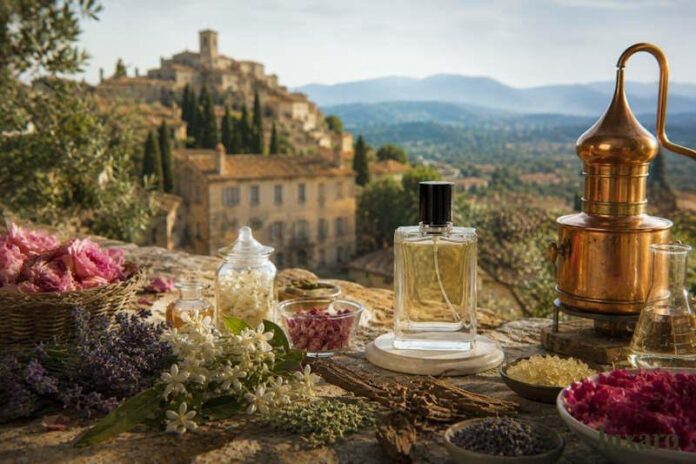
Places such as Grasse became famous because they attracted experienced perfumers, ingredient suppliers, and fragrance specialists who worked closely together.
This long tradition has helped France earn its reputation as one of the world’s leading centres for perfume craftsmanship.
Skilled Perfumers Make the Difference
The country where a perfume is made is only one part of the story.
The experience of the perfumer is often even more important.
Creating a balanced fragrance takes creativity, patience, and many rounds of testing. Perfumers carefully adjust ingredients until every stage of the fragrance develops naturally, from the opening notes through to the final dry down.
For example, someone exploring a Halfeti Leather inspired fragrance may notice how leather, woods, spices, and warm resins blend together smoothly instead of competing with one another. That balance usually comes from careful formulation rather than simply choosing expensive ingredients.
The skill behind the fragrance often matters far more than the label on the bottle.
Good Ingredients Still Need Good Craftsmanship
Many people assume that using high-quality ingredients is enough to create an excellent perfume.
In reality, the ingredients are only the starting point.
Even beautiful raw materials can produce an unbalanced fragrance if they are not blended carefully. Likewise, familiar ingredients can create a refined perfume when they are combined with experience and precision.
A well-made perfume feels smooth as it develops throughout the day. Each stage flows naturally into the next without feeling sharp or disconnected.
This careful blending is one of the qualities that people often associate with French-made fragrances.
French-Made Does Not Mean Every Perfume Is the Same
It is important to remember that perfumes made in France are not all identical.
Different brands have different goals, styles, and approaches to fragrance creation.
Some focus on light floral perfumes, while others specialise in smoky woods, fresh citrus fragrances, or rich oriental blends. The country of manufacture tells you where the perfume was produced, but it does not automatically tell you whether you will enjoy the fragrance.
Independent fragrance brands have also become part of this tradition by working with experienced French perfumers while creating their own carefully developed scent profiles.
For example, designer-inspired perfumes by Luxaro are produced in France using small-batch production, showing how independent brands can benefit from the same expertise that has made French perfumery respected around the world.
Looking Beyond the Label
Although “Made in France” can be a positive sign, it should never be the only reason for choosing a perfume.
Reading the fragrance description, understanding the fragrance family, and learning how the perfume develops are just as important.
Customer reviews can also provide useful insights into how a fragrance performs during everyday wear. Looking at several reviews often gives a clearer picture than relying on one opinion.
The best perfume is not simply the one made in a particular country. It is the one that suits your own preferences and feels enjoyable every time you wear it.
Practical Advice When Comparing Perfumes
If you are shopping online, treat “Made in France” as one helpful piece of information rather than a guarantee of quality.
Start by reading the fragrance description carefully and learning about the scent family. Think about the perfumes you already enjoy and look for similar characteristics.
It also helps to find out whether the brand explains how its fragrances are developed. Companies that talk openly about perfume craftsmanship, experienced perfumers, or small-batch production often provide useful information that goes beyond simple marketing.
If samples are available, try wearing the fragrance before committing to a full bottle. A perfume should feel balanced and enjoyable throughout the day, not only during the first few minutes after application.
Conclusion
The words “Made in France” have earned their reputation because France has spent centuries developing its expertise in perfume making. Skilled perfumers, careful craftsmanship, and a long tradition of fragrance creation have helped make French-made perfumes respected around the world.
At the same time, the country of manufacture is only one part of the picture. A well-made perfume also depends on thoughtful blending, careful development, and a fragrance that suits your personal taste. By looking beyond the label and learning more about how perfumes are created, you can make more confident choices and better appreciate the craftsmanship behind every fragrance you wear.