
A chipped tooth, stubborn discoloration that whitening never quite fixes, or a slight gap that catches your eye every time you smile in a photo. These are the kinds of cosmetic concerns that send millions of people researching dental veneers each year. The treatment has been around for decades, yet there is still a surprising amount of confusion about what veneers actually are, how long they last, and whether the investment makes practical sense for a given situation. This article breaks all of that down clearly.
What Dental Veneers Actually Are
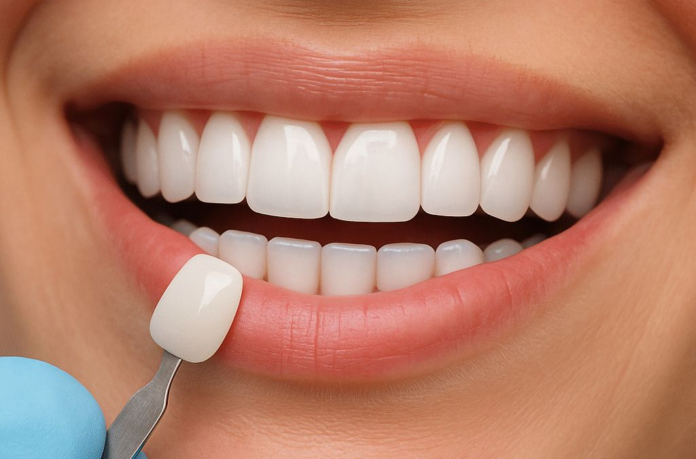
Veneers are thin shells, typically made from porcelain or composite resin, that bond to the front surface of a tooth. Think of them as a custom-fitted cover that changes the shape, size, color, or overall appearance of a tooth without removing the tooth itself. The shells are surprisingly thin, often between 0.3 and 0.7 millimeters for porcelain, which is roughly the thickness of a contact lens.
Because they only cover the front face of a tooth, veneers are considered a cosmetic restoration rather than a structural one. They will not reinforce a structurally damaged tooth the way a crown does. What they do exceptionally well is create a uniform, natural-looking smile when teeth have surface imperfections that are visible during normal conversation or photographs.
The Main Types of Veneers and How They Compare
Choosing between veneer types involves weighing durability, appearance, cost, and how much tooth structure you are willing to have altered. The two most common options are traditional porcelain veneers and composite resin veneers, but there is a third category worth knowing about.
| Type | Material | Typical Lifespan | Tooth Prep Required | Average Cost Per Tooth (USD) |
| Traditional Porcelain | Dental porcelain | 10 to 20 years | Yes, enamel removal | $900 to $2,500 |
| No-Prep / Minimal-Prep | Ultra-thin porcelain | 10 to 20 years | Minimal to none | $800 to $2,000 |
| Composite Resin | Tooth-colored resin | 5 to 7 years | Minimal | $250 to $1,500 |
Traditional porcelain veneers require the dentist to remove a thin layer of enamel from the tooth surface before bonding the shell. That removal is permanent, which is a meaningful consideration. Once you have traditional veneers placed, the teeth will always need to be covered because the underlying enamel has been reduced. No-prep options like Lumineers are thinner and avoid that step in many cases, though they may not be suitable for every cosmetic concern. Composite veneers can often be applied in a single visit and are more affordable, but they stain more easily and do not last as long as porcelain.
Who Is a Good Candidate for Veneers
Veneers work well for a specific set of cosmetic concerns, and dentists are generally upfront about the situations where they are not the right tool. Understanding candidacy criteria helps set realistic expectations before any consultation.
- Teeth that are stained or discolored beyond what whitening treatments can address, including tetracycline staining or fluorosis
- Minor chips, cracks, or worn edges that affect appearance but not structural integrity
- Slightly uneven or irregularly shaped teeth that create an unbalanced smile line
- Small gaps between teeth, particularly in the front teeth, where orthodontics is not preferred
- Teeth that are slightly too short or too small relative to the surrounding teeth
Veneers are generally not recommended for people with active gum disease, significant tooth decay, or habits like bruxism (teeth grinding) that would put excessive stress on the bonded shells. Someone who grinds their teeth at night can still get veneers, but the dentist will typically require a night guard to protect the restorations. People with very little remaining enamel may also not be ideal candidates because the bonding process depends on a strong enamel surface for adhesion.
The Step-by-Step Procedure
The veneer process usually takes place across two or three appointments, though same-day options exist in some practices that use in-office milling technology. Here is a realistic walkthrough of what a traditional porcelain veneer placement involves.
- Consultation and treatment planning: The dentist examines the teeth, takes X-rays, and discusses aesthetic goals. This appointment often includes photographs and sometimes digital smile simulations.
- Tooth preparation: A small amount of enamel, typically 0.5 to 0.7 mm, is removed from the front surface. Local anesthesia is used so the process is comfortable.
- Impressions: A mold or digital scan of the prepared teeth is taken and sent to a dental laboratory where the custom veneers are fabricated.
- Temporaries: Temporary veneers may be placed while the permanent ones are made, which usually takes one to two weeks.
- Bonding: At the final appointment, the dentist checks the fit and color of the permanent veneers, makes any minor adjustments, cleans the teeth, applies a bonding agent, and cements the veneers in place using a curing light.
The whole process from first consultation to final bonding typically spans two to four weeks for traditional porcelain veneers. Composite veneers placed directly can often be completed in a single appointment because the resin is sculpted and cured right on the tooth rather than fabricated in a lab.
How to Find a Qualified Cosmetic Dentist for Veneers
Veneers are as much an art form as a clinical procedure. The quality of the result depends heavily on the dentist’s aesthetic judgment, technical skill, and the laboratory they work with. Patients searching for a provider in Southern California, for instance, might start by reviewing before-and-after galleries and reading patient experiences on independent review platforms before scheduling a consultation. A useful starting point for coastal Orange County residents is https://newportbeachsmilestudio.com/, a Newport Beach practice that focuses on cosmetic and restorative dental care. When evaluating any provider, asking to see actual patient cases rather than stock images is a reasonable and standard request.
Beyond reviewing a dentist’s portfolio, there are a few practical questions worth asking during any veneer consultation. These include which dental laboratory fabricates the restorations, whether digital smile design tools are used, and what the policy is if a veneer chips or debonds within the first few years. Transparency on these points usually reflects a practice that stands behind its work.
Caring for Veneers After Placement
Veneers do not require a dramatically different oral hygiene routine, but a few habits make a real difference in how long they hold up and how good they continue to look. Porcelain veneers are stain-resistant, but composite veneers are not, and even porcelain can develop staining at the margins over time if oral hygiene is neglected.
- Brush twice daily with a non-abrasive toothpaste. Abrasive whitening toothpastes can scratch porcelain over time.
- Floss daily to prevent buildup along the gumline, which can cause recession that exposes the veneer margins.
- Avoid biting into very hard foods with veneered teeth. Ice, hard candies, and using teeth as tools to open packaging are common causes of chipping.
- Wear a night guard if you grind your teeth.
- Attend regular professional cleanings. The hygienist should know which teeth have veneers so they use appropriate instruments.
According to a review published in the Journal of Prosthetic Dentistry, the 10-year survival rate for porcelain veneers placed under good clinical conditions ranges from approximately 93 to 95 percent, which is a strong outcome for an elective cosmetic restoration. That figure drops when patients have parafunctional habits like grinding or clenching that are not managed with a protective appliance.
Cost Considerations and Insurance Coverage
Veneers are almost universally classified as a cosmetic procedure, meaning dental insurance plans rarely cover them. There are narrow exceptions when a veneer is replacing a structurally compromised restoration or when it is part of a broader treatment plan that has a functional justification, but these are not common. Patients should plan to pay out of pocket.
The total cost for a full smile makeover involving eight to ten front veneers can range from roughly $8,000 to $25,000 depending on the geographic market, the type of veneers chosen, and the dentist’s experience level. Many practices offer financing through third-party healthcare lenders, which breaks the cost into monthly payments. It is worth asking about interest rates and terms carefully, as some promotional financing carries deferred interest clauses that can be financially unfavorable if the balance is not paid within the promotional period.
Veneers represent a long-term investment in appearance and confidence. Understanding the materials, the procedure, the candidacy requirements, and the real costs before sitting in the chair puts patients in a much stronger position to make a decision they will feel good about years down the road.