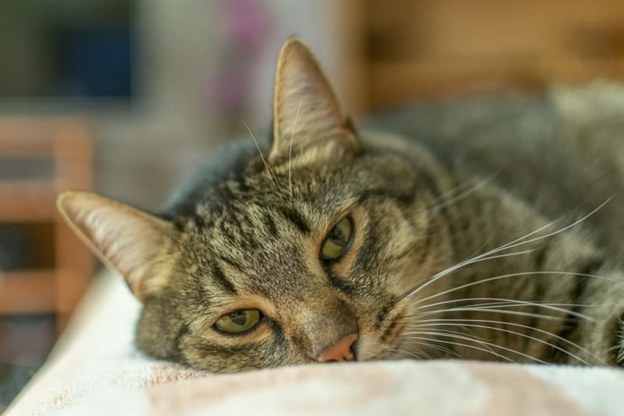

Cats have a natural curiosity. They use their senses (smell, feel, taste) to explore their surroundings. This exploratory nature makes them susceptible to toxic exposures at home. Most poisonings occur because pets come into contact with ordinary objects that pose little danger to humans. The top causes of pet poisoning are lilies, household cleaning supplies and medication.
A Severe and Underestimated Risk of Lilies
Lilies are extremely hazardous to cats. A small amount of any lilies will be poisonous if your cat eats any portion of the flower or plant, drinks water that has been contaminated by the flowers, or simply gets some pollen on its body. All components of the plant stem, leaf, and petal contain toxic elements.
Poisoning from lilies is unique in that it develops rapidly. Symptoms could begin in as little as several hours after initial exposure. Initial symptoms may include vomiting, excessive salivation, loss of appetite and lethargy. Within one to three days, your cats kidneys may fail.
Practically speaking, poisoning occurs when your cat accidentally comes into contact with a plant. For example, you put fresh cut flowers on a table near an open window. Your cat sees the flowers and decides to investigate. He touches the flowers with his nose and tongue. When he grooms himself, the lily pollen becomes lodged in his fur. Since exposure to these plants can produce rapid kidney damage, even suspected exposure should be taken seriously.
Household Chemicals: The Hidden Dangers of Cleaning Products
Household cleaning products and disinfectants are among the most common sources of poisoning for your pet. Cats are at an increased risk of poisoning due to their habit of licking themselves after they come into contact with chemicals. They also do not metabolize all substances as well as other pets do.
These types of products typically irritate the skin, mouth, and airways. When consumed orally, they will likely result in excessive salivation, vomiting and oral pain. At higher concentrations, respiratory distress or internal irritation could potentially develop.
Typically, this type of poisoning occurs after you clean a surface. After cleaning, your cat steps onto a wet area of the floor. Later, while grooming itself, your cat then licks its paws and consumes residue. As sprays and aerosols settle on your cats coat and hair, your cat becomes exposed by way of self grooming.
Your essential oils can create hidden dangers for your feline friends. Your tea tree oil, eucalyptus oil, peppermint oil, etc., especially those found in high concentrations, can be poisonous to your cats. This can happen either via a spill, use of a diffuser, or through direct contact. Symptoms of toxicity may appear in your cat, including weakness, drooling, shivering, or difficulty breathing.
Medications: A Common Cause of Toxicity
Medicines are one of the leading causes of poisoning in cats. It does not matter if the medicines were made for humans or animals. Most medicine differs for each species.
Acetaminophen (also known as paracetamol) is extremely hazardous to cats. Small doses can harm red blood cells and your cats liver. Acetaminophen toxicity in cats can present with clinical symptoms such as lethargy, swelling of the head or legs and difficulty breathing.
Another hazard that poses significant danger for cats includes nonsteroidal anti inflammatories (NSAIDs). NSAIDS, including ibuprofen, can poison your cat through gastrointestinal irritation, stomach ulcers or kidney failure. Topical medication for dogs that contains permethrin can also be very toxic for cats. Permethrin based topical flea medications can cause severe neurological disease in cats when applied directly to them. Tremors, seizures, and hyperesthesia are just a few examples of neurological diseases caused by the application to cats. In many families, poisoning occurs unintentionally through dropping tablets, leaving medications unsecured, giving the wrong dose, or misusing veterinary products. Cross exposure between family members can also be responsible for accidental ingestion in multi animal households.
Recognizing the Signs of Poisoning
Symptoms associated with poisoning in cats are varied based on the specific toxin ingested. However, there are several common indicators of poisoning to look out for:
• Vomiting or diarrhea
• Increased salivation
• Lack of energy or unusual behavior
• Loss of appetite
• Breathing difficulties
• Trembling or seizure activity
• Urinary retention
As your cat has a tendency to hide illness, even slight or vague changes should not be ignored. Recognizing early symptoms is difficult as they are usually ambiguous.
Why Early Recognition is Important?
Timing is important in the treatment of poisoned cats. While many toxins work immediately, the earlier you treat them, the less severe their impact will be. Typically, delayed recognition results from being unaware of exposure, especially if the exposure occurred when no supervision was available.
In reality, mild vomiting or abnormal behavior can quickly escalate once the root cause is determined. Paying close attention to deviations in routine behaviors can allow you to identify potential problems much quicker. If you notice any of these signs, don’t wait for them to worsen – contacting a vet clinic Dubai right away gives your cat the best chance at a full recovery.
Conclusion
Most instances of poisoning in domestic cats occur from items found around every home. Lilies, ordinary cleaning supplies and many prescribed medications can seriously harm your cat even in minimal quantities. Awareness of potential poisons and recognizing subtle early signs can greatly improve the outcome of your pets health status and provide a timely opportunity for diagnosis and subsequent medical intervention.