
Key Takeaways
- Most household drain problems develop gradually from grease, hair, soap residue, food waste, and other debris.
- Simple habits, including using drain strainers and disposing of waste properly, can prevent many common clogs.
- Slow drains, gurgling sounds, unpleasant odors, and repeated backups are early warnings worth addressing.
- Harsh chemical cleaners can create safety concerns and may not solve the underlying cause of a recurring clog.
- When several fixtures are affected at once, the problem may be farther down the plumbing system.
Healthy drains do not usually depend on one major cleaning project. They depend on small, consistent choices made in the kitchen, bathroom, laundry area, and around toilets. A little attention can reduce the buildup that turns a normally flowing drain into a frustrating backup. For homeowners facing persistent slow drains or signs of a larger plumbing issue, contacting a qualified sewer and drain cleaning company in Gaithersburg, MD can help identify whether the blockage is near the fixture or deeper within the line. The earlier a recurring issue is checked, the easier it may be to prevent a more disruptive problem.
Why Drain Problems Often Start Small
Most clogs are not caused by one dramatic event. Instead, small amounts of debris cling to the inner walls of pipes over weeks or months. Kitchen grease can trap food particles, while hair and soap scum can form a sticky mass in bathroom drains. As the passage inside the pipe narrows, water begins to move more slowly. A slow shower drain, for example, may seem harmless at first. But if hair collects beneath the drain cover and combines with shampoo, conditioner, and soap residue, the water flow can steadily worsen. Treating slow drainage as an early warning gives homeowners time to act before water begins to pool or back up.
Common Causes of Household Drain Clogs
- Kitchen sinks: Grease, cooking oil, food scraps, coffee grounds, rice, pasta, and fibrous vegetables can all contribute to blockages.
- Bathroom sinks and showers: Hair, toothpaste, shaving products, soap scum, and personal-care residue often collect around the stopper or trap.
- Toilets: Excess toilet paper and products that do not break down easily can obstruct the fixture or drain line.
- Main drain lines: Heavy buildup, root intrusion, pipe damage, or objects lodged farther down the system can affect multiple fixtures.
- Older plumbing: Corrosion, mineral buildup, and aging pipes may reduce the available space for wastewater to flow.
A Daily Routine for Healthier Drains
- Scrape plates and cookware into the trash or compost bin before washing.
- Wipe oily pans with a paper towel before rinsing them in the sink.
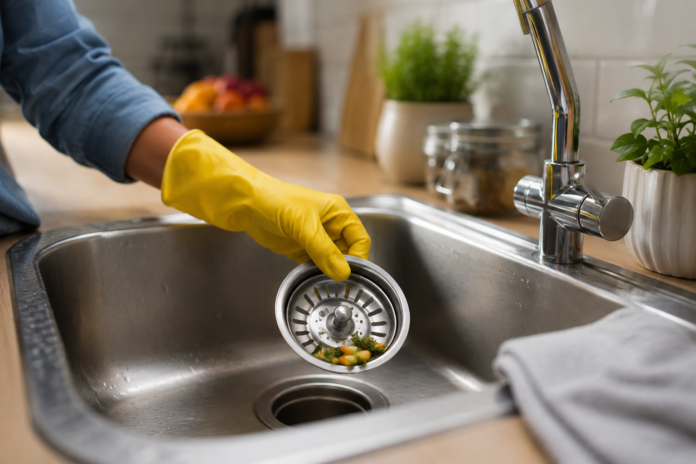
- Use strainers in kitchen sinks, bathroom sinks, tubs, and showers.
- Remove visible hair and debris from drain covers instead of rinsing it away.
- Flush only human waste and toilet paper.
Kitchen Drain Habits That Make a Difference
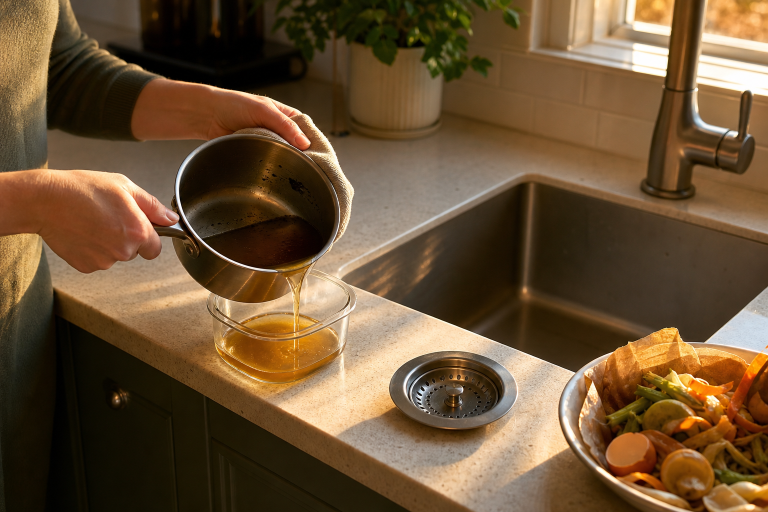
Grease and oil are among the most common kitchen drain problems because they may look liquid when warm but can cool and cling to pipes. Let the grease cool in a container, then place it in the trash. Even homes with garbage disposals should avoid treating the disposal like a substitute for a trash can. Use the disposal for small, appropriate food remnants, not large quantities of scraps. Coffee grounds, eggshells, rice, pasta, celery, onion skins, and stringy vegetables can create trouble in drains or disposal units. After cooking or washing dishes, empty the sink strainer and rinse the sink with water. Once a week, inspect the disposal splash guard and remove any trapped debris safely with the power off.
Bathroom Drain Care by Fixture
Showers and Tubs
Install a removable hair catcher over the drain and clean it regularly. Pull hair from the surface before it reaches the pipe, rather than pushing it through the opening with more water. This small routine is especially useful in households with long hair, pets bathed indoors, or frequent showers.
Bathroom Sinks
Bathroom sink stoppers often collect toothpaste, soap residue, hair, and shaving debris. Clean the stopper and the area around the drain opening as part of regular bathroom cleaning. If water begins draining slowly, check for buildup near the top before assuming the blockage is deep in the pipe.
Toilets
Products labeled “flushable” can still contribute to sewer and septic problems, particularly when they do not break apart as quickly as toilet paper. Paper towels, wipes, cotton products, dental floss, and hygiene items belong in the trash. The EPA’s sewer overflow guidance also explains why non-flushable materials can contribute to costly wastewater issues.
A Simple Weekly and Monthly Maintenance Plan
- Daily: Keep grease, food scraps, hair, and non-flushable materials out of drains.
- Weekly: Clean drain screens, clear shower hair catchers, inspect sink stoppers, and notice any slower-than-normal drainage.
- Monthly: Check exposed pipes and traps beneath sinks for leaks, residue, moisture, or unusual odors.
- Seasonally: Inspect basement, laundry, utility, and exterior drains for debris, standing water, or signs of backup.
Safe First Steps for a Minor Clog
If a fixture is close to overflowing, stop running water immediately. Remove visible debris from the drain opening, then use the correct plunger for the fixture. A hand-operated drain snake may help with an accessible sink, tub, or shower clog, but avoid forcing tools through plumbing if you are unsure of the setup. Test the drain with a small amount of water after each attempt. If the clog does not improve, recurs quickly, or affects other fixtures, stop before the issue worsens.
Why Harsh Chemical Cleaners Can Be a Poor Choice
Chemical drain cleaners may sometimes create a temporary opening, but they do not always remove the source of a recurring blockage. They can also produce fumes, cause dangerous splashes, and leave hazardous residue behind for anyone who later opens a drain trap or works on the pipe. Never mix drain-cleaning products or combine them with other household chemicals. When practical, mechanical removal methods and professional diagnosis are safer options.
Warning Signs That Need Fast Attention
- A single fixture drains slowly for several days or repeatedly clogs.
- Multiple sinks, tubs, or toilets begin draining slowly at the same time.
- Drains bubble, gurgle, or release a sewer-like odor.
- Water rises in a tub or shower when a toilet is flushed.
- Wastewater backs up through a floor drain or another low fixture.
When a Problem May Be in the Main Drain Line
A clog affecting one sink is often local to that fixture. However, several slow fixtures, recurring backups, or sewage appearing in a tub, shower, or floor drain can indicate a blockage farther down the main drain line. Limit water use in that situation, since continued flushing, showering, or running appliances may increase wastewater entering the home. Deeper blockages can require inspection equipment and specialized cleaning tools.
Questions Homeowners Often Ask
How Often Should Drains Be Checked?
A quick monthly check is helpful for most homes. More frequent attention may be useful in busy kitchens, older houses, homes with long-haired residents, or properties with a history of slow drains.
Does Hot Water Prevent Clogs?
Warm water may help rinse away light residue, but it cannot solve every blockage. Hair, hardened grease, mineral deposits, and pipe damage each require a different approach.
Are Baking Soda and Vinegar Always Safe?
These common household ingredients may freshen a drain, but they are not a dependable solution for a solid clog. Avoid mixing products, and do not rely on a home mixture when drainage problems keep returning.
A Quick Drain-Care Checklist
- Use strainers in sinks, tubs, and showers.
- Keep grease, oils, food scraps, wipes, and hygiene products out of drains.
- Clean drain covers and stoppers on a regular schedule.
- Watch for slow flow, odors, gurgling, and backups.
- Address repeated clogs before they become an emergency.
Conclusion
Good dental care comes down to repeatable habits. Keeping debris out of pipes, cleaning strainers, and responding promptly to changes in drainage can prevent many common household clogs. Avoid pouring grease, coffee grounds, food scraps, or other materials that can build up inside pipes over time. Routine maintenance and regular observation can help identify small problems before they develop into more disruptive plumbing issues. When multiple fixtures are affected, or a problem continues after basic clearing, it may be time to look beyond the visible drain opening and investigate the larger plumbing system. Taking action early can help reduce repair costs, minimize inconvenience, and keep household plumbing working more reliably throughout the year.