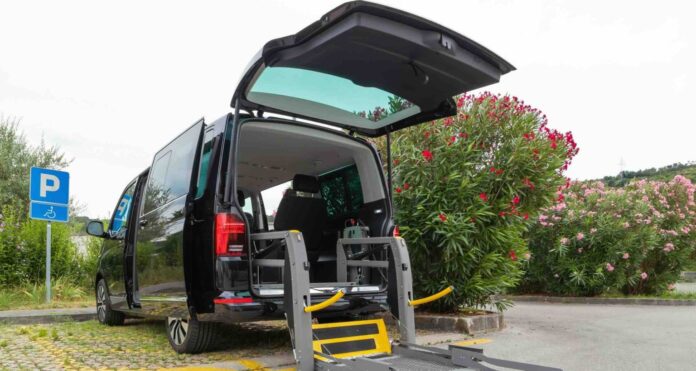

Traveling between hospitals in different cities can be challenging for patients whose health, mobility, or recovery needs make ordinary transportation unsuitable. A trip lasting several hours requires more planning than a short local transfer because comfort, positioning, rest, medical needs, timing, and communication all become increasingly important. Families may also be coordinating discharge from one hospital while preparing for admission at another facility far away. Long-distance medical transport helps organize that transition around the patient’s condition instead of treating the journey as ordinary highway travel. With appropriate planning, patients can move between distant healthcare facilities through a more structured and manageable transportation process.
Where Long-Distance Planning Begins
- Why Longer Travel Requires a Patient-Centered Transportation Plan
A patient who can tolerate a short ride may still find several hours in a conventional vehicle difficult after hospitalization, surgery, illness, or a decline in mobility. Sitting upright for an extended period may cause discomfort, while entering and exiting a passenger vehicle can create additional challenges for someone who needs physical assistance. Long-distance medical transportation considers these limitations before the journey begins. Families researching ACC Medlink services may be looking for a travel arrangement designed around a patient’s condition, comfort requirements, and destination rather than simply the number of miles between hospitals. Planning can consider how the patient will be positioned, what mobility assistance may be necessary, how personal belongings will travel, and what information needs to accompany the transfer. These details become more significant as travel time increases. A carefully organized plan helps reduce uncertainty for the patient and family while creating clearer expectations about departure, the journey itself, and arrival at the receiving hospital in another city.
- How Medical Transport Helps Maintain Comfort Over Several Hours
Long-distance hospital transfers can place physical demands on patients who are already tired, weak, or recovering. Even minor discomfort can become much more noticeable during a journey lasting several hours. Medical transport supports these patients by providing an environment arranged around their mobility and positioning needs. Depending on the circumstances, a patient may need to remain reclined rather than seated upright for the entire trip. Space for repositioning, appropriate transport equipment, and assistance during necessary movements can make the journey more manageable. Comfort matters for more than convenience because unnecessary physical strain can make an already difficult healthcare transition feel considerably harder. A patient who has recently undergone a procedure, has limited mobility, or cannot easily support their body in a standard seat may need transportation that reflects those limitations. Long-distance medical transport helps bridge the physical distance between hospitals while keeping the patient’s ability to tolerate the journey at the center of planning rather than expecting the individual to adapt to an ordinary travel arrangement.
- Why Coordination Between Departure and Arrival Matters
Moving between hospitals in different cities involves two healthcare facilities, transportation timing, discharge procedures, and arrival expectations. If these parts are poorly coordinated, patients may experience unnecessary waiting before departure or after arrival. Long-distance medical transport supports the transition by helping organize the practical transportation details around the planned hospital transfer. Departure timing can be particularly important when the receiving facility expects the patient within a certain window. Travel distance, traffic conditions, and the patient’s needs during the journey can all influence scheduling. Families also benefit from understanding the expected timeline so they can make their own arrangements and communicate with relatives or caregivers. Good coordination reduces the feeling that the patient is simply leaving one facility without a clear connection to the next. Instead, transportation becomes an organized link between two stages of care. When pickup and arrival expectations are clearer, the journey can proceed with fewer avoidable uncertainties, helping everyone involved focus on the patient’s transition rather than last-minute transportation complications.
- How Long-Distance Transport Helps Families Manage Travel Logistics
A hospital transfer to another city can create significant logistical pressure for family members. They may be arranging accommodations, driving separately, collecting belongings, contacting relatives, or preparing for the patient’s needs after arrival. Asking family members to manage the patient’s transportation as well can make the situation considerably more demanding, particularly when the individual cannot travel comfortably in a personal vehicle. Long-distance medical transport helps separate patient transportation from the many other tasks families may need to handle. This can give relatives more flexibility to focus on paperwork, communication, destination arrangements, and their own travel needs. It also reduces the challenge of transferring a patient into and out of a car during a lengthy journey. When transportation is organized around the patient, family members do not have to improvise solutions for positioning or mobility during the trip. A clearer transport plan can therefore support the entire family, not only the person traveling, by reducing one major area of uncertainty during an already complicated move between healthcare facilities.
Why Structured Transportation Makes Distant Transfers More Manageable
Long-distance medical transport supports patients traveling between hospitals in different cities by turning a potentially difficult journey into a more organized healthcare transition. Longer travel creates additional considerations involving positioning, mobility, comfort, timing, coordination, and family logistics that ordinary transportation may not adequately address. A structured transport plan can help patients travel according to their physical needs while giving families clearer expectations about departure and arrival. The distance between hospitals should not make transportation an improvised part of the care journey. When planning reflects the patient’s condition and the practical demands of extended travel, moving between cities can become more manageable for everyone involved.