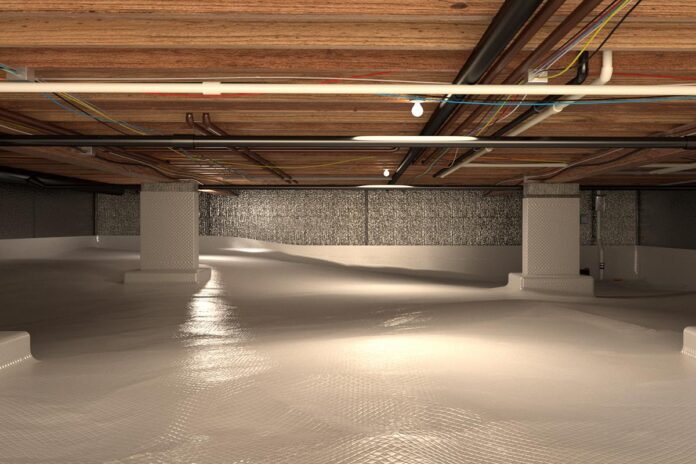

Cold floors can make an otherwise comfortable home feel less inviting, especially during cooler months when certain rooms never seem to warm up fully. In many cases, the problem begins underneath the living space rather than inside the room itself. Unconditioned crawl spaces can allow cold air, moisture, and temperature swings to influence the floor system above. That can leave hardwood, tile, or even carpeted rooms feeling noticeably colder underfoot. Crawl space services help homeowners address the lower part of the home so floor temperatures become more stable and the living areas above feel less affected by outdoor conditions.
Where cold floors begin
- Air movement below the floor can make rooms feel colder than expected.
One of the biggest reasons crawl space services matter is that unconditioned areas beneath the home can allow cold outside air to move under the floor system for long periods. Even when the heating system is running, that cold air can lower the temperature of the subfloor and make the room above feel uncomfortable from the ground up. Homeowners may notice that the thermostat reads normally while their feet still feel cold, especially in rooms located directly over open or poorly protected crawl spaces. In situations like these, Indianapolis crawl space services from SwainCo may become part of the conversation when families begin looking for ways to reduce the influence of outdoor air below the house. That matters because the floor is part of the home’s thermal boundary. If the space underneath stays cold and drafty, the heating system has to work against that condition constantly. Addressing air movement below can help the floor system hold a more stable temperature and improve how the room feels overall.
- Insulation problems can allow too much heat to escape downward.
Another reason crawl space services help is that missing, damaged, or poorly installed insulation can make it easier for heat from the living space to move downward into an unconditioned area. Over time, insulation can sag, shift, become compressed, or lose effectiveness if moisture or other conditions affect the crawl space. When that happens, the floor above may feel colder even though the furnace or heat pump is maintaining the room’s air temperature. This matters because homeowners often try to solve cold floors by raising the thermostat, but that does not address the heat loss happening through the floor assembly itself. Crawl space services can help identify whether insulation is still performing as intended and whether the home’s lower boundary needs better protection. Improving that area can reduce the contrast between indoor air and floor temperature. The result is not simply a warmer floor surface, but a room that feels more comfortable without forcing the heating system to compensate for avoidable heat loss below.
- Moisture can make the crawl space feel colder and less stable.
Moisture is another factor that can influence floor comfort above an unconditioned crawl space. Damp ground, humid air, or water intrusion can create a lower environment that feels colder and more difficult to manage through seasonal changes. Moist materials also tend to transfer heat differently than dry ones, which can make floor structures feel less stable from a comfort standpoint. Crawl space services matter because they can address moisture sources alongside insulation and air leakage rather than treating cold floors as a single isolated issue. This matters especially in homes where the floor feels coldest after wet weather or during seasons when the crawl space stays damp for long stretches. Better moisture control can help the lower area become more consistent, which supports steadier floor temperatures above. When the crawl space is drier and more controlled, the living space does not have to react as strongly to every outdoor temperature or humidity change.
- Encapsulation and sealing can help create a more controlled lower environment.t
One practical way crawl space services can improve cold-floor comfort is by reducing the amount of outside air and ground moisture entering the space. Sealing gaps, addressing vents where appropriate, and using encapsulation methods can help create a more controlled boundary beneath the home. This does not turn every crawl space into a fully conditioned room, but it can reduce the dramatic swings that make floors above feel cold during winter. That matters because comfort is easier to maintain when the area below the floor behaves more consistently. If cold outdoor air moves freely through the crawl space, the floor surface will often reflect that exposure. Once the lower area is better separated from outside conditions, the heating system can maintain indoor comfort with less interference from below. Crawl space services help homeowners look at the entire lower environment instead of relying on surface-level fixes inside the living room or bedroom above.
Better floor comfort starts below
Crawl space services help address cold floors above unconditioned areas by focusing on the conditions beneath the living space rather than only adjusting indoor heat. Air leakage, weak insulation, moisture, and uncontrolled outdoor exposure can all make floors feel colder even when room temperatures seem normal. By improving sealing, insulation, and moisture control, crawl space services can help create a more stable lower environment and reduce the influence of outdoor conditions on the floor system above. When that lower boundary performs better, homeowners may notice warmer-feeling floors, steadier room comfort, and less need to overcompensate with higher thermostat settings during colder months.