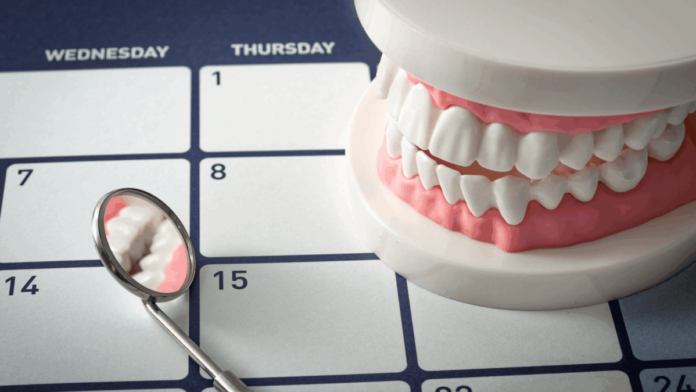

You might be feeling like your schedule is running you, not the other way around. One child needs a cleaning, another has a cavity, you are overdue, and your calendar already looks like a puzzle that no one can solve. Every time you think you have your dental appointments organized with a dentist in San Antonio, TX, someone gets sick, practice hours change, or work calls you into a last-minute meeting. It is tiring.end
Because of all this, you may start to push off care. You tell yourself you will call the family dentist “next week,” and before you know it, months have passed. At the same time, you know that skipping visits only makes problems more stressful and more expensive later.
The good news is that a few simple habits can turn this from chaos into something calm and predictable. You can have a clear system for coordinating visits, fewer surprises, and a routine that protects your family’s oral health without taking over your life. This guide walks through six practical tips for coordinating dental appointments efficiently, with a focus on real life, not perfection.
Why do dental appointments feel so hard to manage in real life?
On paper, it sounds easy. Call the office, pick a time, show up. In reality, you are juggling school, work, childcare, transportation, and sometimes insurance rules. Each of those adds friction, and that friction is what often leads to missed or rushed appointments.
Consider a common scenario. You book afternoon visits for two kids. School releases late that day, traffic is heavy, and by the time you arrive, you are flustered and behind. One child is nervous, the other is restless, and you are thinking about the emails piling up. If anything gets in the way, you might cancel “just this once” and lose that spot entirely.
There is also the emotional side. Some people carry dental anxiety from past experiences. For others, money is tight, and each visit feels like one more bill. When you add that to a busy life, it is easy to avoid calling at all. Yet avoidance can lead to emergencies that cost far more time and money than routine care.
So, where does that leave you? It helps to understand a few key pressure points that often cause scheduling stress.
One pressure point is clinic hours. If your dentist’s schedule does not line up with your work or school day, you may feel forced into using vacation time or pulling children out of class. The American Dental Association offers guidance to practices on how they set office hours, which can include early mornings or evenings, but not every office uses those options.
Another pressure point is cancellations and no-shows. From your side, life happens. From the office side, empty time in the schedule is lost income and longer wait times for other patients. Many practices follow structured cancellation policies, and when patients and teams are not on the same page, that can create tension.
If you use Medicaid or another public plan, there is often a deeper layer of stress. Transportation, childcare, and work flexibility can all be limited. Research supported by the ADA shows that missed visits are more common when these barriers are in the way, and offers strategies to reduce missed appointments. Even if you are not reading that research yourself, you are living the reality it describes.
Understanding these challenges is not about blame. It is about seeing where small changes in planning and communication can remove friction and make coordinating appointments feel lighter.
What tradeoffs matter when you organize family dental care?
When you think about coordinating dental visits efficiently, you are really balancing a few core tradeoffs. Time, convenience, cost, and consistency. It helps to put those tradeoffs side by side so you can make choices that fit your life, not someone else’s idea of “ideal.”
| Planning Approach | How It Works | Main Benefits | Main Drawbacks |
| Scheduling one visit at a time | You call only when someone is due or has a problem. | Flexible. You react to current needs. No long-term commitment. | Harder to find preferred times. Higher risk of overdue checkups and emergencies. |
| Coordinated family blocks | You book multiple family members back-to-back with the same dentist. | Fewer trips. Easier to remember. Children see parents modeling care. | Requires more planning. If one person cancels, it can disrupt the block. |
| Early morning or late day slots | You choose times before work/school or near the end of the day. | Less missed work and school. Often calmer waiting rooms. | These times fill quickly. Less flexibility if something unexpected happens. |
| Midday appointments | You use lunch breaks or school hours. | Can work well for adults with flexible jobs. Often more openings. | May require time off. Children miss class. More pressure to rush. |
| Strict “no reschedule” mindset | You treat every appointment as non-negotiable unless it is an emergency. | Fewer missed visits. Strong routine. Better long-term oral health. | Can increase stress if life is unpredictable. May feel rigid. |
| Frequent rescheduling | You move visits whenever something conflicts. | Short-term relief when your week is busy. | Long-term delays. Possible fees under practice policies. More mental load. |
Looking at these options, you might notice that the most efficient approach is not always the strictest one. It is usually the one that matches your real routines and values. If you know mornings are calmer for your family, it makes sense to protect those early slots. If your work is unpredictable, you might choose coordinated blocks on a day you can plan around.
For many families, the sweet spot is a simple system for efficient dental appointment scheduling, supported by clear communication with the office and a few personal habits that keep everyone on track.
6 practical tips for coordinating dental appointments efficiently
So how do you turn all of this into action without adding more stress to an already full life? These six tips focus on what you can control, even when your schedule is complicated.
1. Choose a primary “dental day” for your household
Pick one day of the week or month that you mentally reserve for oral health. It might be “first Friday mornings” or “the second Tuesday of every March and September.” When you call your family dentist, ask for times that line up with that recurring pattern.
Over time, this builds a rhythm. You do not have to remember exact dates. You just know that around that week, someone is due. This also makes it easier to coordinate multiple family members together, since you are planning in clusters.
2. Book the next visit before you leave the office
The simplest way to reduce mental load is to never leave a visit without the next one on the calendar. Before you check out, ask for the next cleaning or follow-up. If you know your best times, speak up. For example, “We do better before 10 a.m.” or “Mondays and Wednesdays work best.”
This small habit supports both you and the practice. It helps the office plan their schedule and financial stability, which organizations like the ADA highlight in tools such as the Medicaid financial sustainability toolkit. In turn, better-run offices often offer more consistent appointment options for you.
3. Use reminders that actually match your habits
Many dental offices offer text, email, or phone reminders. Choose the method you are most likely to notice. Then add your own layer. Put the visit in your digital calendar with an alert a week before, a day before, and an hour before. If you use a wall calendar at home, write it there too.
For children, consider a simple visual reminder. A sticker on the family calendar or a note on the fridge can reduce surprise and anxiety. When kids know a cleaning is coming up, they feel more prepared in the chair.
4. Group family visits thoughtfully, not just tightly
Coordinated family blocks can be a powerful form of streamlined dental scheduling, but it helps to think about the order. For example, if one child is anxious, schedule them first while they are fresh. If you tend to need more time with the dentist for your own questions, take the last spot in the block so you do not feel rushed.
Ask the office how long each visit is likely to take. That way, you can plan snacks, homework, or quiet activities so younger children are not waiting with nothing to do. A little planning here can turn a stressful afternoon into a calm routine.
5. Talk openly with the dental team about barriers
If transportation, childcare, or work shifts make it hard to keep appointments, say so. Many teams are trained to help problem solve. The ADA even provides staff training topics that include communication and patient support.
You might be able to arrange longer but less frequent visits, schedule around bus routes, or coordinate care for multiple family members on the same day to reduce travel. When the team understands your reality, they can often suggest options you had not considered.
6. Create a simple “if we must cancel” plan
Life happens. Children get sick. Work emergencies appear. Instead of feeling guilty, focus on having a clear plan. Know your dentist’s cancellation policy, including how much notice they need to avoid fees. Save the office number in your phone so you can call quickly if something changes.
When you do need to cancel, try to reschedule in the same call. Aim for the next available time that fits your usual pattern. This keeps your routine intact and shows the office that you respect their time, which often makes them more flexible when you truly need help.
What can you do today to feel more in control?
You do not need a perfect system to see real benefits. You just need a few steady habits that support your family’s oral health and reduce last-minute stress.
Step 1: Audit your current appointments
Write down when each family member last saw the dentist for a cleaning or checkup. If it has been more than six months, mark those names. This quick snapshot shows you who is overdue and where to focus first.
Step 2: Pick your preferred “dental time window”
Decide which days and times usually work best. For example, “Thursday mornings before 10” or “any afternoon after 3 except Fridays.” Keep this written near your phone or calendar. The next time you call for a family dentist visit, you will be ready to request times that truly fit your life.
Step 3: Make one call and schedule at least one visit
You do not have to fix your entire schedule today. Focus on one concrete action. Call your dental office and book the next needed appointment. If you feel able, add a second one, such as your own cleaning or a child’s follow-up. Before you hang up, confirm that the reminder method on file matches how you prefer to be contacted.
Moving forward with less stress and more consistency
Coordinating dental appointments efficiently is not about having a perfect calendar. It is about creating a rhythm that supports your health, respects your time, and works with the reality of your days. With a few clear choices, you can turn what used to feel like chaos into a routine that almost runs itself.
You deserve care that fits your life. Start with one small change today, even if it is just choosing your preferred “dental day” or setting a reminder to call. Each step you take makes future visits a little easier, and over time, those small steps protect your smile, your budget, and your peace of mind.