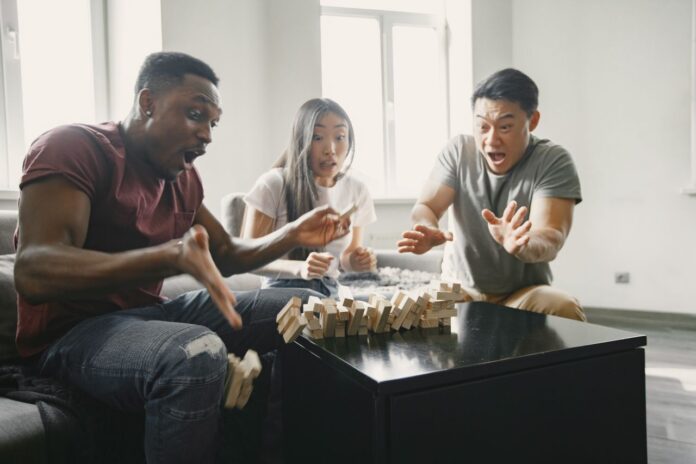

Adults are rarely encouraged to do things badly.
Once childhood ends, every activity seems to come with an expectation. If you cook, the meal should look restaurant-ready. If you run, you should track your pace. If you paint, someone will ask whether you plan to sell your work. Even a quiet hobby can become a public project, complete with progress photos, goals, and performance data.
It gets tiring.
There is real emotional value in doing something simply because it feels interesting. You do not need to master it. You do not need to post it. You do not even need to improve.
Adults need more spaces where being clumsy, slow, confused, and average is completely acceptable. These spaces give the mind a break from competition. They also help restore curiosity, which often gets buried under work, family duties, bills, and the pressure to appear capable.
Sometimes, being bad at something is exactly what you need.
Adulthood Turns Almost Everything Into a Performance
Many adults spend their days being measured. Work comes with deadlines, targets, reviews, and reports. Household tasks must fit into a tight schedule. Exercise apps count steps and calories. Social platforms track likes, views, and reactions.
Even rest can feel like another task to complete correctly.
You might start yoga to relax, then become frustrated because you cannot hold a pose. You might take up baking, only to compare your cake with polished photos online. You buy a sketchbook for fun, but after three pages, you decide you have no artistic talent.
The activity did not fail. The expectation ruined it.
The pressure to be useful follows us home
Many people struggle to spend time on anything that does not produce a clear result. A hobby should improve health, create income, build a skill, expand a network, or make the home look better. Otherwise, it can feel wasteful.
But human beings need experiences that serve no business case.
You do not need to turn knitting into an online shop. Your guitar practice does not need to lead to a performance. A garden can grow unevenly. A handmade bowl can lean to one side and still hold fruit.
When every interest becomes a project, curiosity starts to feel like unpaid labour.
Being a Beginner Softens Perfectionism
Perfectionism often looks like ambition from the outside. Inside, it feels more like fear. You avoid starting because you do not want to look foolish. You delay sharing work because it is never good enough. You stick to familiar tasks because competence feels safer than uncertainty.
A beginner-friendly hobby interrupts that pattern.
When you try pottery, birdwatching, roller-skating, sewing, or learning a new language, mistakes happen quickly. Clay collapses. You forget the bird’s name. You wobble. The thread knots. You pronounce a simple phrase completely wrong.
And then life continues.
That experience matters. It teaches your nervous system that mistakes are uncomfortable, not catastrophic. You learn that embarrassment passes. You also see that progress is rarely neat.
For people dealing with both emotional distress and substance-related problems, perfectionism can become part of a larger cycle of shame and avoidance. Structured support through a dual diagnosis treatment program can address those connected concerns, while low-pressure hobbies can offer a small place to practise patience and self-compassion.
A hobby does not replace professional care. But it can support a healthier relationship with effort, mistakes, and recovery.
You stop treating every error like a verdict
Adults often attach identity to performance. A failed recipe becomes proof that you cannot cook. A poor drawing becomes evidence that you lack creativity. One awkward dance class seems to confirm that you are not coordinated.
That is a harsh way to live.
Beginner activities separate the action from the identity. You made a messy painting. That does not make you a failure. You missed a note. That does not mean music is not for you.
You are simply learning. Or perhaps you are not learning very fast, and that is fine too.
Play Gives the Brain a Different Kind of Rest
Rest does not always mean lying on the sofa and watching a screen. Sometimes the mind rests better when it has a simple, absorbing task.
Think about working on a jigsaw puzzle, watering plants, shaping dough, repairing an old chair, or tossing a ball against a wall. These activities hold your attention without demanding high performance. Your hands stay busy. Your thoughts loosen. Time feels less rigid.
This is one reason hands-on hobbies feel so grounding. They move attention away from abstract worries and back toward sound, movement, texture, and physical space.
You hear the scrape of a pencil. You smell bread in the oven. You notice the cool weight of clay. Nothing dramatic happens, but your mind gets a break from replaying emails, arguments, and unfinished tasks.
Some treatment settings use creative, physical, and reflective activities alongside clinical care. Approaches such as holistic therapy for substance abuse recognise that recovery involves more than stopping a harmful behaviour. People also need ways to manage stress, reconnect with their bodies, and build a life that feels worth returning to.
That principle applies more broadly. A good life needs texture. It needs small pleasures, odd interests, and activities that make sense only to the person doing them.
Fun does not need proof
There is a strange moment that happens when someone asks why you enjoy a hobby.
You might feel pressure to explain its benefits. Gardening reduces stress. Reading improves vocabulary. Walking supports heart health. Puzzles keep the brain active.
Those benefits are real, but they do not have to justify the activity.
You can read a silly mystery novel because it is entertaining. You can paint tiny wooden houses because you like them. You can learn three piano chords and play them badly for years.
Enjoyment is enough.
Private Hobbies Protect Joy From Public Judgment
Social media has changed how many people approach hobbies. The activity itself can quickly become content. A person starts running, then feels pressure to post the route. Someone learns to cook, then worries about lighting and presentation. A quiet reading habit turns into a monthly challenge with public totals.
Sharing can be fun. It can also change the emotional meaning of the activity.
Once other people are watching, you start thinking about how the hobby looks. You choose projects that photograph well. You avoid showing mistakes. You notice who is better, faster, or more popular.
The hobby becomes another stage.
Keeping some activities private protects them from comparison. You can make ugly crafts, sing off-key, or write terrible poetry without imagining an audience. No one needs to approve. No one needs to understand.
And honestly, there is something refreshing about having a part of your life that cannot be measured by strangers.
Privacy creates room for experimentation
When no one is grading the result, you take more risks. You try odd colour combinations. You cook without following the recipe exactly. You write a story that makes no sense. You dance without wondering whether you look graceful.
This freedom brings curiosity back.
Children learn through messy experiments because they do not always know what the final result should look like. Adults often lose that freedom. We picture the ideal result before we begin, then judge every step against it.
A private hobby lets the process stay uncertain. That uncertainty can feel uncomfortable at first. Soon, it starts to feel like relief.
Low-Pressure Activities Help Rebuild Daily Structure
When someone feels burned out, depressed, anxious, or overwhelmed, large goals can feel impossible. “Get your life together” is not a useful instruction. It is too big, too vague, and too loaded with shame.
A small activity offers a gentler starting point.
You water one plant. You walk around the block with a camera. You colour one page. You attend a beginner class where nobody expects much from you. These actions do not solve every problem, but they give the day a little shape.
That shape matters.
People receiving care through an outpatient addiction treatment program often continue living at home while attending scheduled treatment. In that setting, supportive routines can help fill time that once revolved around harmful patterns. A simple hobby can provide structure, social contact, or a healthier way to handle an empty evening.
Again, the hobby is not the treatment. It is part of the life being rebuilt around treatment.
The same idea helps anyone going through a rough period. Small activities create moments of participation. You are not only thinking about life. You are doing something inside it.
Choose activities with a low entry cost
The best beginner hobby is not always the most impressive one. It is the one you can begin without creating another source of stress.
You do not need expensive equipment. You do not need a perfect home studio. You do not need to sign up for a year of lessons.
Borrow a library book about local birds. Buy a cheap set of watercolours. Try a free community class. Grow herbs in old containers. Learn one basic card game. Take photos during an ordinary walk.
Keep the first step small enough that failure feels almost harmless.
Curiosity Matters More Than Fast Improvement
Modern culture loves visible progress. Before-and-after photos get attention. Skill updates make good posts. Rapid improvement feels impressive.
But not every activity needs a success story.
You can stay a beginner for a long time. You can enjoy something without moving beyond the basics. You can stop and return months later. You can switch hobbies with no guilt.
This approach feels almost rebellious because it rejects the idea that time must always lead to measurable growth. Yet curiosity has its own value. It helps adults remain open, flexible, and interested in life beyond routine duties.
Curiosity asks, “What happens if I try this?”
Perfectionism asks, “What if I am not good?”
Those questions lead to very different lives.
For people whose anxiety, depression, trauma, or emotional strain has begun to interfere with daily life, hobbies alone will not provide enough support. Programs offering PHP and IOP mental health treatment provide structured care while allowing different levels of independence. Professional help can address the deeper issue, while safe activities can help a person reconnect with interest and pleasure.
Losing curiosity for a day is normal. Losing interest in nearly everything for a long period deserves attention.
You Are Allowed to Make Something Useless
Adults spend so much time proving that they are responsible. They manage schedules, solve problems, care for others, and try to keep life moving. There is dignity in that work.
But responsibility should not swallow every part of a person.
You are allowed to make a crooked shelf. You are allowed to grow a disappointing tomato. You are allowed to take dance lessons without becoming a good dancer. You can write a song no one hears, run slowly, lose at chess, and mispronounce words in a language you are learning.
The point is not to celebrate failure for its own sake. The point is to stop treating poor performance as a reason to avoid joy.
A hobby can remain small. It can remain private. It can remain imperfect.
And you know what? That may be why it matters so much.
When you allow yourself to be bad at something, you make room for play. You loosen perfectionism’s grip. You remember how it feels to follow interest without demanding a reward.
You become curious again.
That is not wasted time. It is part of being alive.