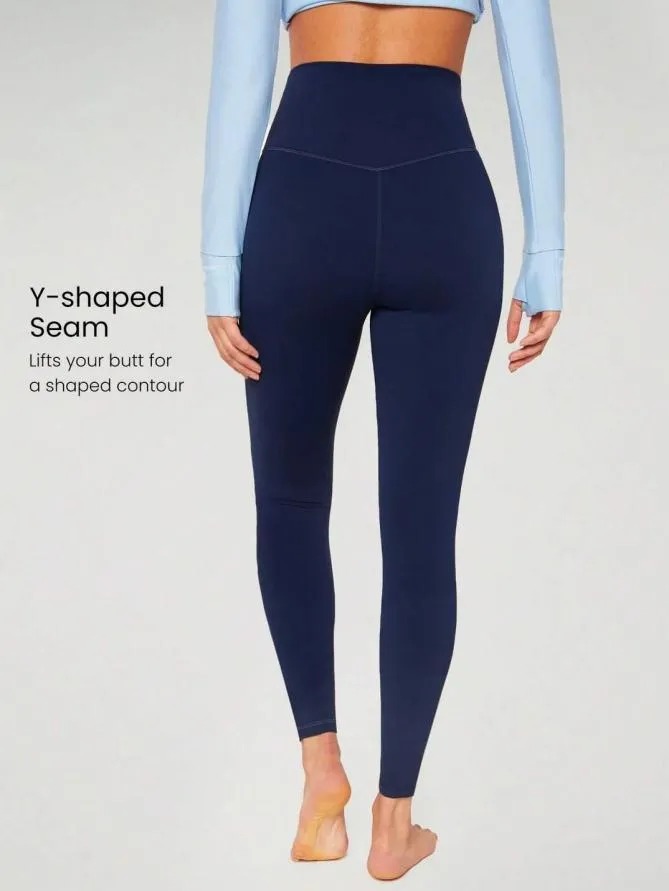

Squat proof leggings are built for exactly the kind of stress heavy leg days create. Deep squats, walking lunges, Romanian deadlifts, and hip thrusts all challenge fabric stretch, seam strength, waistband grip, and overall coverage. If leggings lose opacity, slide down, or restrict movement, they become a distraction when you need stability and focus. Good squat proof leggings are designed to stay opaque under tension, move with the body, and provide a secure fit through repeated lower-body exercises. That makes them a practical choice for lifters who train hard and want reliable support from warm-up to final set. The real question is not whether they can handle leg day in theory, but which features help them perform well under serious training pressure every single session.
Why Leg Day Tests Your Leggings More Than Any Workout
The pressure heavy squats and lunges put on activewear
Leg day places more direct strain on leggings than most workouts because lower-body lifts push fabric in multiple directions at once. During squats, the material stretches across the hips, thighs, and glutes while seams absorb force at the deepest point of the movement. Lunges add repeated tension as one leg bends sharply and the other extends, testing recovery and flexibility with every step. Deadlifts and split squats increase friction around the inner thighs and seat, which can expose weaker fabric construction over time. Fast transitions between sets also challenge waistband security. If leggings are not made for training, they can become sheer, bunch at the knees, or shift enough to interrupt form, comfort, and concentration.
What makes squat proof leggings different from regular leggings
Squat Proof Leggings differ from regular leggings because they are designed to maintain coverage and structure when the fabric is stretched under load. The main difference is usually a denser knit or more supportive blend that resists becoming transparent during deep bends and heavy lifts. Better recovery helps the material snap back into place instead of sagging after repeated sets. Flat or reinforced seams also improve durability in high-stress areas. A well-shaped waistband adds stability so the leggings stay put through squats, lunges, and machine work. Regular fashion leggings may feel soft for casual wear, but training-focused squat proof leggings prioritize opacity, movement support, and resilience, which matter much more during demanding lower-body sessions.
How Squat Proof Leggings Perform During Intense Training Sessions
Stretch, compression, and movement support for heavy lifts
During intense training, squat proof leggings perform best when stretch and compression work together instead of competing. The fabric should allow full depth in squats and unrestricted hip movement without feeling thin or overstretched. Four-way stretch helps the leggings move smoothly through lifts like goblet squats, Bulgarian split squats, and leg presses. Light to moderate compression can also improve the overall feel by keeping the fit close and supportive around the glutes, thighs, and core. That secure fit reduces distractions such as bunching or slipping while you brace and lift. Strong movement support does not mean stiffness. The best pairs feel flexible during warm-ups, stable under load, and comfortable enough to wear through a long, demanding session.
Sweat control, fabric durability, and confidence during workouts
Heavy leg days often mean long sets, short rests, and a lot of heat, so moisture management matters almost as much as stretch. Squat proof leggings with breathable, sweat-wicking fabric help reduce that damp, sticky feeling that can make training uncomfortable midway through a session. Durable construction is equally important because repeated washing, friction from benches, and constant lower-body movement can wear down low-quality pairs quickly. Strong seams and resilient fibers help preserve shape, opacity, and support over time. Confidence is the biggest performance benefit. When you trust your leggings to stay opaque, stay up, and hold their fit, you can focus on depth, technique, and progressive overload instead of adjusting your clothes between every set.
Key Features to Check Before Choosing Leggings for Leg Day
Fabric thickness, squat proof coverage, and flexibility
Before choosing leggings for leg day, check how the fabric balances thickness with flexibility. Material that is too thin can turn sheer at the bottom of a squat, while fabric that is too thick may feel restrictive and trap heat. Look for leggings described as squat proof with enough density to maintain coverage under stretch, especially across the glutes and upper thighs. Flexibility still matters because lower-body training requires deep bending, bracing, and smooth range of motion. Four-way stretch fabrics usually offer the best combination of mobility and shape retention. If possible, assess how the material behaves under tension rather than only how it looks standing still. Reliable coverage and freedom of movement should always come together.
Waistband stability and long-lasting workout performance
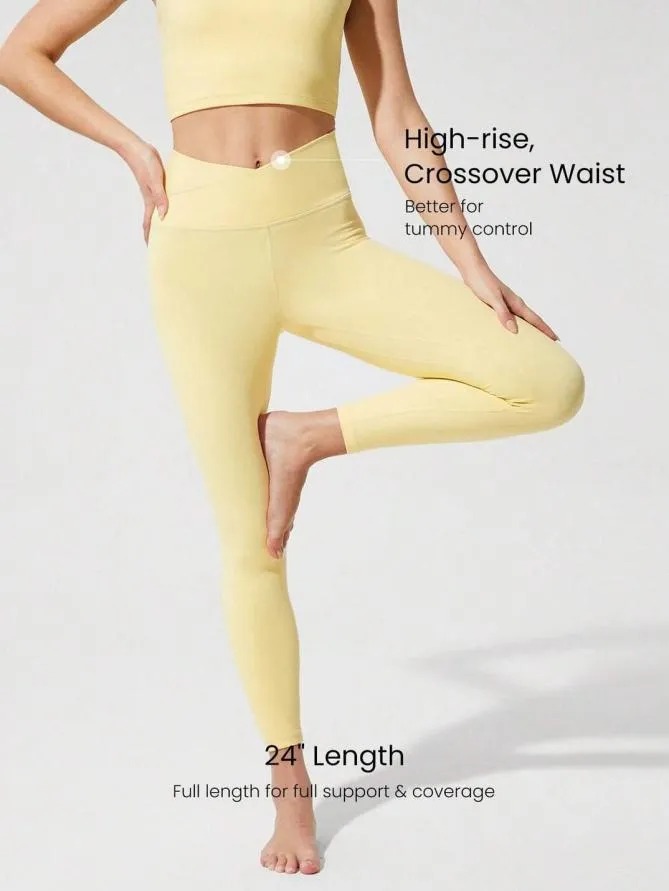
A stable waistband can determine whether leggings feel supportive or annoying during heavy training. For leg day, the waistband should sit securely without rolling, digging in, or sliding down when you hinge, brace, or descend into a squat. A high-rise fit often helps because it supports the midsection and stays more consistent through dynamic movements. Long-lasting performance also depends on how well the leggings recover after repeated wear. Good training leggings should keep their shape, compression, and opacity after hard sessions and regular washing. Check for quality stitching, resilient fabric blends, and a fit that stays consistent over time. When the waistband and overall construction hold up, the leggings remain dependable for serious lower-body workouts.
Conclusion
Yes, squat proof leggings can handle heavy leg days when they are made with the right fabric, fit, and construction. Lower-body training puts exceptional pressure on activewear, so opacity alone is not enough. The best pairs combine reliable coverage with stretch, moderate compression, sweat management, durable seams, and a waistband that stays in place under load. Those features support movement, reduce distractions, and help you train with confidence through every set of squats, lunges, and deadlifts. When choosing a pair, focus on performance details instead of appearance alone. Leggings that stay opaque, flexible, and secure during deep, demanding lifts are far more likely to hold up over time. For serious leg day training, well-made squat proof leggings are a smart and dependable option.