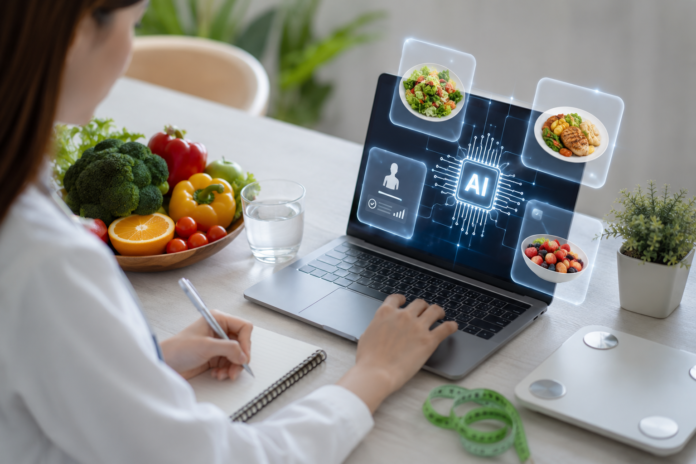

Personalized meal plans take considerable time when nutrition needs, food preferences, and lifestyle factors differ from one client to another. Generic meal plans rarely keep clients engaged for long because they fail to reflect individual habits and goals. AI meal planning tools help solve this challenge by organizing nutrition data, generating practical recommendations, and reducing repetitive administrative work. This article explains how coaches can use AI features more effectively while maintaining personalized nutrition guidance.
Build Meal Plans Around Client Data
AI delivers better recommendations when it works with accurate information instead of assumptions. Client nutrition tracking software helps organize food logs, dietary preferences, allergies, activity levels, and nutrition goals in one place before meal plans are created. When AI features are integrated within the coaching platform, coaches can access client records, meal planning tools, and progress tracking from a single dashboard instead of switching between multiple applications. Instead of producing identical plans for every client, AI can generate suggestions that reflect individual habits while coaches review every recommendation before implementation.
Adjust Recommendations as Client Habits Change
Meal plans should evolve as clients make progress rather than remain unchanged for months. AI tools can identify trends such as skipped meals, inconsistent protein intake, or declining adherence and recommend practical adjustments. For example, if a client regularly misses breakfast because of a busy schedule, AI may suggest portable meal options that better fit the client’s routine.
Likewise, when another client begins a strength-training program, AI can recommend adjustments to protein intake and meal timing based on updated activity data, giving coaches a more relevant starting point for personalized recommendations. The CDC notes that a meal plan should reflect a person’s goals, lifestyle, food preferences, and medical needs, reinforcing the importance of personalized nutrition rather than one-size-fits-all recommendations.
Balance AI Suggestions with Professional Judgment
Artificial intelligence can organize information quickly, but it cannot replace professional expertise. Coaches should review every recommendation before sharing it with clients because medical conditions, cultural food preferences, and personal circumstances require human judgment. AI performs best as a decision-support tool that reduces repetitive planning while allowing coaches to focus on education, motivation, and meaningful client conversations.
Improve Long-Term Coaching Efficiency
AI meal planning becomes more valuable when it supports the entire coaching process instead of generating recipes alone. Client nutrition tracking software allows coaches to compare meal adherence, monitor nutrition trends, and identify recurring challenges across multiple check-ins. Coaches who provide personalized nutrition coaching also benefit from organized client records because historical nutrition data makes future recommendations more relevant and easier to explain during consultations.
Best Practices for Using AI Meal Planning Tools
AI works best when coaches use it to strengthen existing workflows rather than automate every nutrition decision. Before relying on AI recommendations, focus on building accurate client profiles and reviewing generated plans carefully.
- Keep client food logs and nutrition goals updated.
- Review every AI-generated meal plan before sharing it.
- Adjust recommendations based on client feedback and progress.
- Monitor adherence trends instead of isolated daily results.
- Update meal plans as activity levels, preferences, or goals change.
- Use AI insights to support coaching discussions rather than replace them.
Choosing AI meal planning tools should focus on improving coaching quality rather than reducing human involvement. The most effective solutions organize client information, simplify meal planning, and provide meaningful insights that support better nutrition decisions. When AI is combined with professional expertise and consistent client monitoring, coaches can deliver more personalized guidance, strengthen long-term adherence, and create nutrition plans that remain practical as client needs continue to evolve.