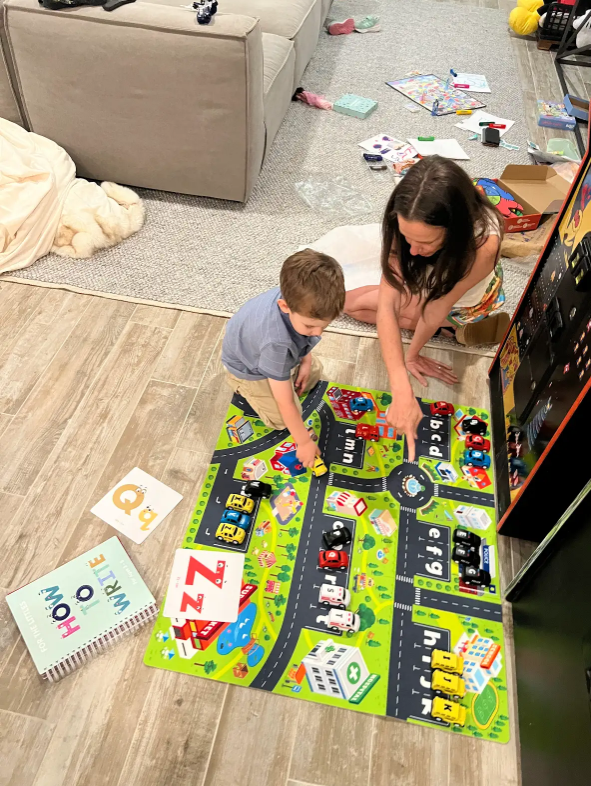

As parents and educators, we all seek effective ways to provide children with a head start in their academic journeys, particularly in early childhood education. One key area that significantly influences a child’s future success is literacy. But with so many approaches and programs available, it’s essential to choose one that aligns with a child’s natural developmental needs while fostering a lifelong love of reading. This is where play-based literacy programs, such as those designed to support early education programs for children, come into play.
The significance of play in early childhood development cannot be overstated. Play is an essential part of a child’s growth, and when integrated with literacy learning, it fosters both cognitive and emotional development. Through play, children engage in hands-on experiences that help them understand letters, sounds, words, and stories in a way that is enjoyable and effective. This approach is central to many modern literacy programs that emphasize phonics and interactive learning, which is why the Early Education Program for Children is often structured to meet each child’s individual pace and needs.
What Makes Play-Based Literacy So Effective?
- Engagement Through Fun: The central focus of a play-based program is to make learning enjoyable. When children are engaged in playful activities, they are more likely to stay curious and motivated to learn. This is particularly true for early literacy, where interactive storytelling, rhyming games, and phonics play can help solidify letter sound relationships.
- Hands-On Learning: In play-based literacy, children actively interact with their learning environment. Instead of simply listening to a teacher or following a structured worksheet, they use manipulatives, engage in dramatic play, and experiment with different types of play materials that relate to reading and writing. These experiences help reinforce the connections between letters, sounds, and words.
- Natural Development of Skills: By integrating literacy into play, children acquire reading skills in a natural and gradual manner. Rather than focusing solely on memorization or rote learning, a play-based approach encourages children to discover and explore language concepts on their own. This method nurtures a child’s ability to build strong foundational skills and boosts their confidence in reading.
Key Benefits of a Play-Based Early Education Program
- Encourages Language Development: Through interactive play and story telling activities, children practice listening, speaking, and comprehension. These skills form the bedrock of strong reading abilities.
- Promotes Cognitive Growth: As children navigate through different learning activities, they develop critical thinking, problem solving, and memory skills. These cognitive processes are crucial for understanding language and reading comprehension.
- Supports Emotional Development: Learning through play provides children with opportunities to express their emotions and develop social skills. As they collaborate with peers, they learn to share, take turns, and communicate effectively, which strengthens their overall emotional intelligence.
- Personalized Learning: Play-based programs allow for individualized learning. Children progress at their own pace, focusing on areas where they need more support or where they show interest. This approach nurtures a positive attitude toward learning, making children more confident and capable readers.
The early years are critical in shaping a child’s literacy abilities, and play-based education offers a dynamic and engaging way to build these skills. Programs that blend play and phonics provide a comprehensive foundation, preparing children for future academic challenges while making learning an enjoyable experience.
For parents and educators interested in exploring an effective play-based literacy program, it’s essential to find resources that not only foster phonics and reading skills but also support the emotional and cognitive development of young learners. The integration of these elements ensures that children not only learn to read but also gain the confidence to love reading throughout their lives.
By fostering an environment where literacy is integrated into play, we empower children to become strong, independent readers ready to take on the world with enthusiasm.