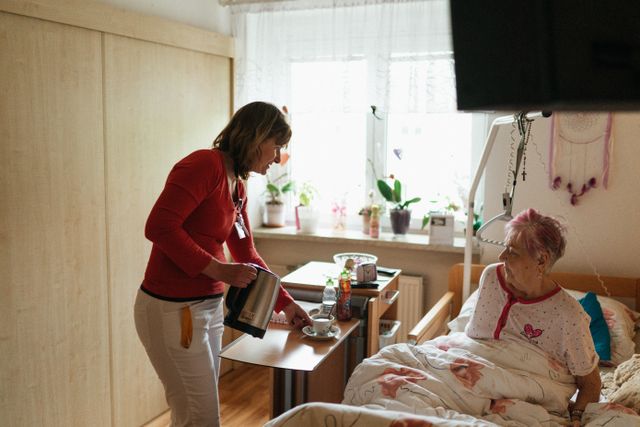

In today’s world, balancing Lumia Care and maintaining one’s independence are essential considerations across various stages of life. With a myriad of options available, individuals and families can tailor support services to match specific needs and aspirations.
Understanding Individual Needs
A fundamental aspect of blending independence and care is understanding the unique needs of each individual. Whether one is a senior wanting to stay at home or someone needing disability support, personalisation in planning is crucial. Each person’s situation must be assessed to determine the appropriate level of support while respecting personal preferences.
Embracing Technology
Technology plays a significant role in supporting independence and care. From wearable health monitors to smart home devices, modern technology allows those needing care to live more autonomously while staying connected. This technological leap enhances the capacity to manage health conditions at home and provides peace of mind.
The Role of Professional Care Providers
Professional care providers, like those offered by home care package providers, are integral to sustaining quality of life for those who require additional support. These services ensure that individuals receive the assistance they need, when they need it, thereby supporting both their physical and emotional well-being.
Customising Home Care Packages
Home care packages are not a one-size-fits-all solution. Customisation is key to ensuring that the support aligns with the individual’s lifestyle. Services may include personal care, meal preparation, transportation, and respite care, adjusted as per the changing needs of the recipient.
Maintaining Social Connections
Independence is not just about physical health but also maintaining social connections. Engaging with community programs, attending social gatherings, and staying in touch with family can enhance mental health and provide a sense of belonging, which is crucial in the care continuum.
Financial Considerations
Planning for care involves significant financial considerations. There are various funding options and subsidies available, which can alleviate some of the financial burdens. It is important for families to explore all available options and plan proactively to ensure sustainable care.
The Impact of Lifestyle Choices
Adopting healthy lifestyle choices greatly impacts the level of care required. Regular physical activity, a balanced diet, and preventive health measures can delay the need for intensive support services, thereby extending the period of independence.
Advocacy and Support Networks
Support networks and advocacy play crucial roles in helping individuals access the suitable services they are entitled to. Organisations offering disability support and other care services are instrumental in navigating the complexities of care options.
Navigating Emotional Challenges
The transition from independence to requiring care can be emotionally challenging for both individuals and their families. Psychological support and open communication are essential in addressing fears and anxieties associated with this change.
Education and Awareness
Raising awareness about available care options and educating individuals about the benefits of early planning can significantly enhance the care experience. Empowered individuals are better equipped to make informed decisions about their care journeys.
The Future of Care Services
The landscape of care services is continually evolving. Innovations in medical care, changing societal norms, and enhanced service delivery models promise a future where care can be more effectively integrated into individuals’ lives without compromising independence.
Collaborative Care Approach
A collaborative approach involving caregivers, family members, and health professionals ensures comprehensive care planning and implementation. This teamwork facilitates the alignment of care objectives with the individual’s preferences and needs.
Balancing Autonomy and Assistance
The ideal care plan is one that respects an individual’s autonomy while providing necessary assistance. Finding this equilibrium is paramount in ensuring a dignified and fulfilled life irrespective of age or ability.
Conclusion: Prioritising Quality of Life
Ultimately, the goal of blending independence with care is to enhance quality of life. By embracing a thoughtful and tailored approach, individuals can enjoy the dignity of autonomy alongside the assurance of support, leading to a more enriching and balanced lifestyle.