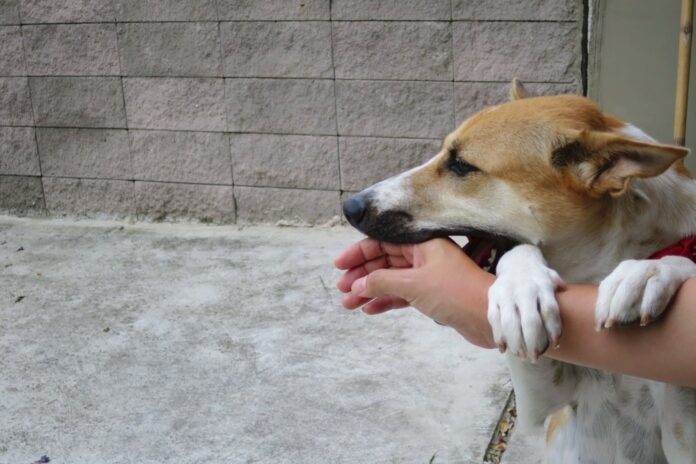

A dog bite claim is rarely judged by the injury alone. Behind every claim are details about the attack, the people involved, available records, and questions that need clear answers. A small detail that seems unimportant at first can affect how the entire situation is reviewed.
Reviewing these details with the guidance of an attorney for dog bite injuries can help bring together the facts that explain how the incident happened. The difference between a straightforward claim and a challenging one often comes down to responsibility, evidence, and the ability to connect separate pieces of information into one clear picture.
Unclear Responsibility Can Create the First Challenge
One of the first questions after a dog attack is responsibility. A person may know they were injured, but the legal review often requires a closer look at the circumstances surrounding the incident. Determining who was responsible for the animal and what role they played before the attack can become an important part of the claim.
Determining Who Was Responsible for the Dog at the Time of the Attack
Responsibility is not always based on a single fact. Details about ownership, control of the dog, and the situation surrounding the attack may all be reviewed. Records, statements, and other information can help explain who had responsibility for the animal during the incident.
A claim can become more difficult if these details are unclear. Questions about where the attack happened, who was present, and how the situation developed may need careful review before the full picture becomes clear.
The Circumstances Before the Bite Can Change the Evaluation
The events leading up to a bite can affect how an incident is understood. The interaction between the dog and the injured person, the surrounding environment, and actions before the attack may all provide important context.
Looking only at the injury does not always explain the entire situation. A complete review considers what happened before the bite, during the attack, and afterward to better understand the facts involved.
Evidence Gaps Can Make Some Claims Harder to Prove
Evidence plays a major role in showing what happened. However, not every claim begins with the same amount of information. Some cases may have clear records, while others may involve missing details or conflicting accounts.
Strong Claims Usually Have a Clear Record of Events
A detailed record can help create a clearer understanding of an incident. Evidence may include:
- Medical records describing injuries and treatment
- Photographs showing the condition of injuries
- Witness statements from people who saw the attack
- Animal control reports connected to the incident
- Records that explain the circumstances of the event
These details work together to create a timeline. Each piece of information adds more context and helps explain how the injury occurred.
Missing or Conflicting Information Creates More Questions
A claim may face additional challenges if important details are missing or different versions of events exist. Unclear timelines, limited documentation, or disagreements about what happened can make it harder to evaluate the situation.
The goal of reviewing evidence is not simply collecting documents. It is understanding how each detail connects with the others. Without that connection, important questions may remain unanswered.
The Impact of the Injury Does Not Tell the Entire Story
A serious injury can show the effect of a dog attack, but it may not answer every question involved in a claim. Legal reviews often consider several factors together, including how the attack occurred, who may be responsible, and what evidence supports the details.
Two incidents may involve similar injuries but face different challenges because the surrounding facts are not the same. The circumstances behind the injury often influence how a claim is evaluated.
Insurance Reviews Add Another Layer of Evaluation
Insurance companies often look at more than medical information. They may review accident details, responsibility questions, supporting documents, and other records related to the incident.
This process can become more complicated if important facts are unclear or if different information creates questions about what happened. Legal professionals review these details carefully to understand the full situation. They examine the available information to organize the facts and identify how different parts of the claim connect.
Closing Thoughts
No two dog bite claims develop in exactly the same way. The injury, evidence, responsibility questions, and circumstances surrounding the attack all influence how a claim is understood. Challenges often appear when important details are unclear or when different pieces of information do not easily connect.
A complete review requires attention to the facts behind the incident rather than focusing only on what is visible. An attorney for dog bite injuries understands the importance of examining records, timelines, and surrounding details to create a clearer picture of the claim. The small details often shape the bigger understanding of what happened.